

DHI hair transplant, placed one by one
Direct Hair Implantation (DHI) uses a Choi implanter pen to place each graft straight into the scalp, without opening channels first. This page explains how the technique actually works, who it suits, how it compares to FUE, what determines a natural result, and exactly what to expect. Read it before you decide.
- Free
- Reply within 24 hours
- No obligation
What DHI is and why it is different
- Medically reviewed by our hair-restoration team
- Last updated May 2026
- 8 min read
DHI stands for Direct Hair Implantation. Like every modern transplant, it moves your own follicles from a donor area at the back and sides of the head (where hair is genetically resistant to loss) to thinning areas. What makes DHI distinct is how the grafts are placed.
Each follicular unit is loaded into a fine, pen-like instrument called a Choi implanter. The pen makes the opening and places the graft in a single movement. There is no separate step of pre-cutting hundreds of channels and then filling them; the channel and the placement happen together, at a controlled depth, angle and direction, decided graft by graft.
Why that matters in practice
- Higher density: grafts can be placed closer together, useful where coverage matters most.
- Control over angle & direction: the single most important factor in a result that looks natural rather than 'planted'.
- Often no shaving of the recipient area, which many patients prefer for discretion.
- Shorter time outside the body for each graft, which supports survival.
Honest note: DHI is not automatically 'better' than FUE for everyone. For very large sessions covering a wide area, FUE can be more practical. The right choice depends on your pattern, donor capacity and goals. That is exactly what your free assessment is for.
Which one suits you? An honest comparison
Both move the hair you already have; the difference is in how the grafts are placed. The right choice depends on your pattern and donor capacity.
Which one suits you is decided in your free analysis, based on your donor and pattern. An assessment makes the call, not a website.
Is DHI right for you?
A transplant relocates hair you already have; it does not create new hair. So the result depends, above everything, on your donor capacity (how much resistant hair is available) relative to the area you want to cover. A good plan never over-harvests the donor for a short-term gain.
DHI tends to suit you if…
- Your hair loss is reasonably stable (not rapidly advancing).
- You have adequate donor density at the back/sides.
- Your priority is the hairline and front, where density and angle matter most.
- You would prefer little or no shaving of the recipient area.
When something else may fit better: very advanced, wide loss can be served more efficiently by FUE; and if loss is still active, we may recommend medical stabilisation first so a transplant lasts. None of this is decided from a website. Your free graft assessment reviews photos of your donor and recipient areas and tells you, honestly, what is realistic.
Is it right for you? Find out with a free analysis.
Free AnalysisResults from our clinic
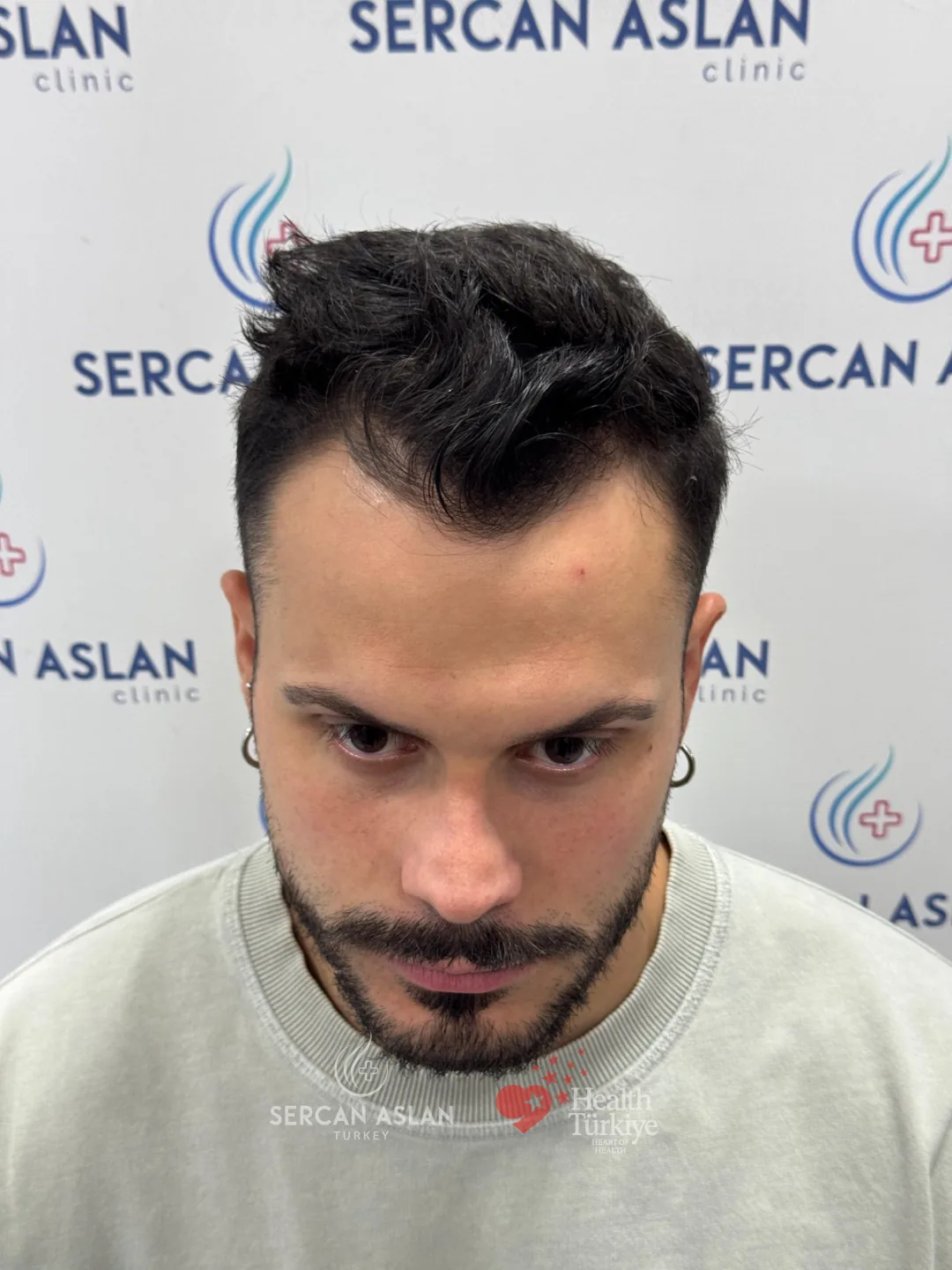 Before
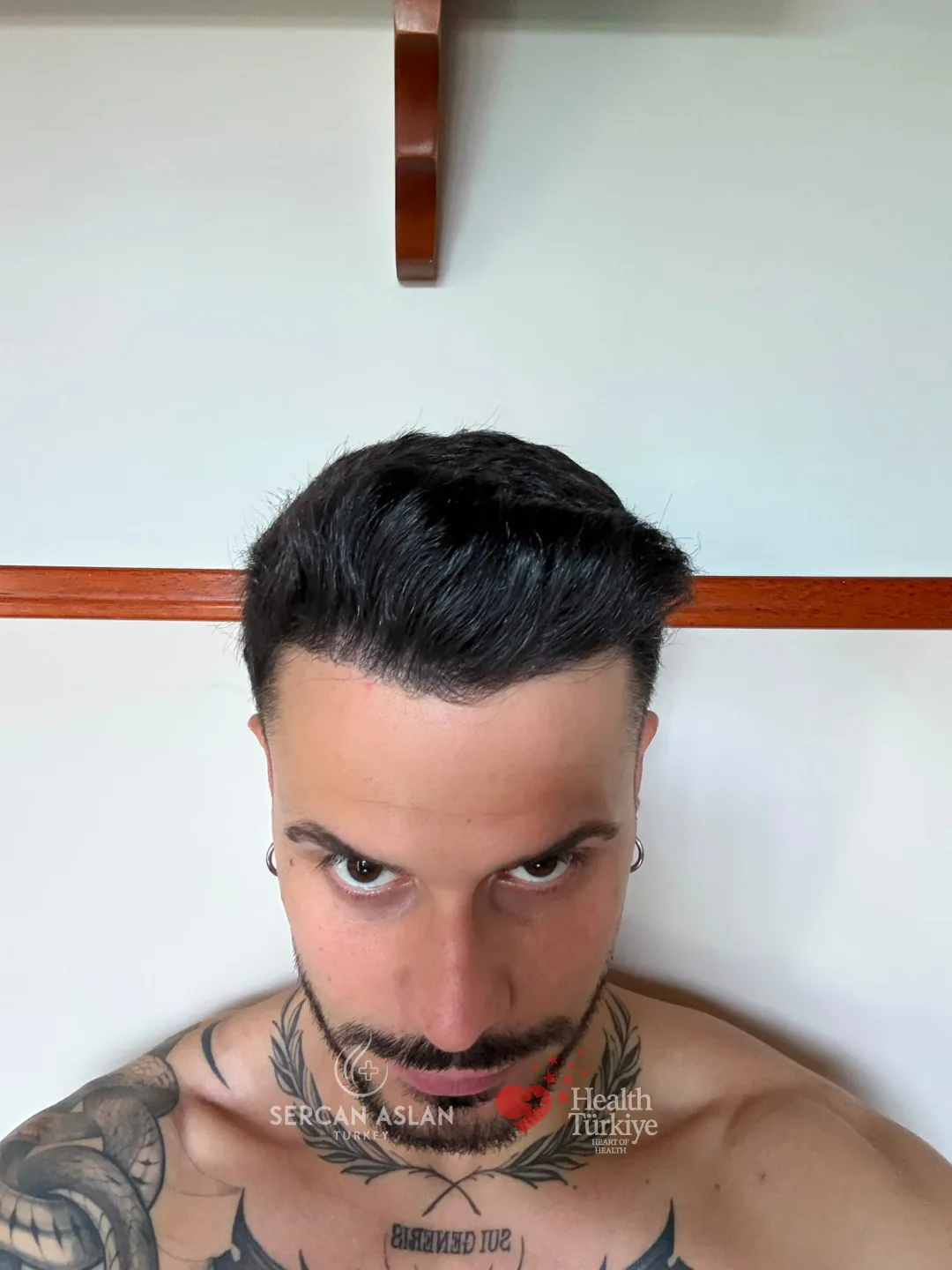 After
After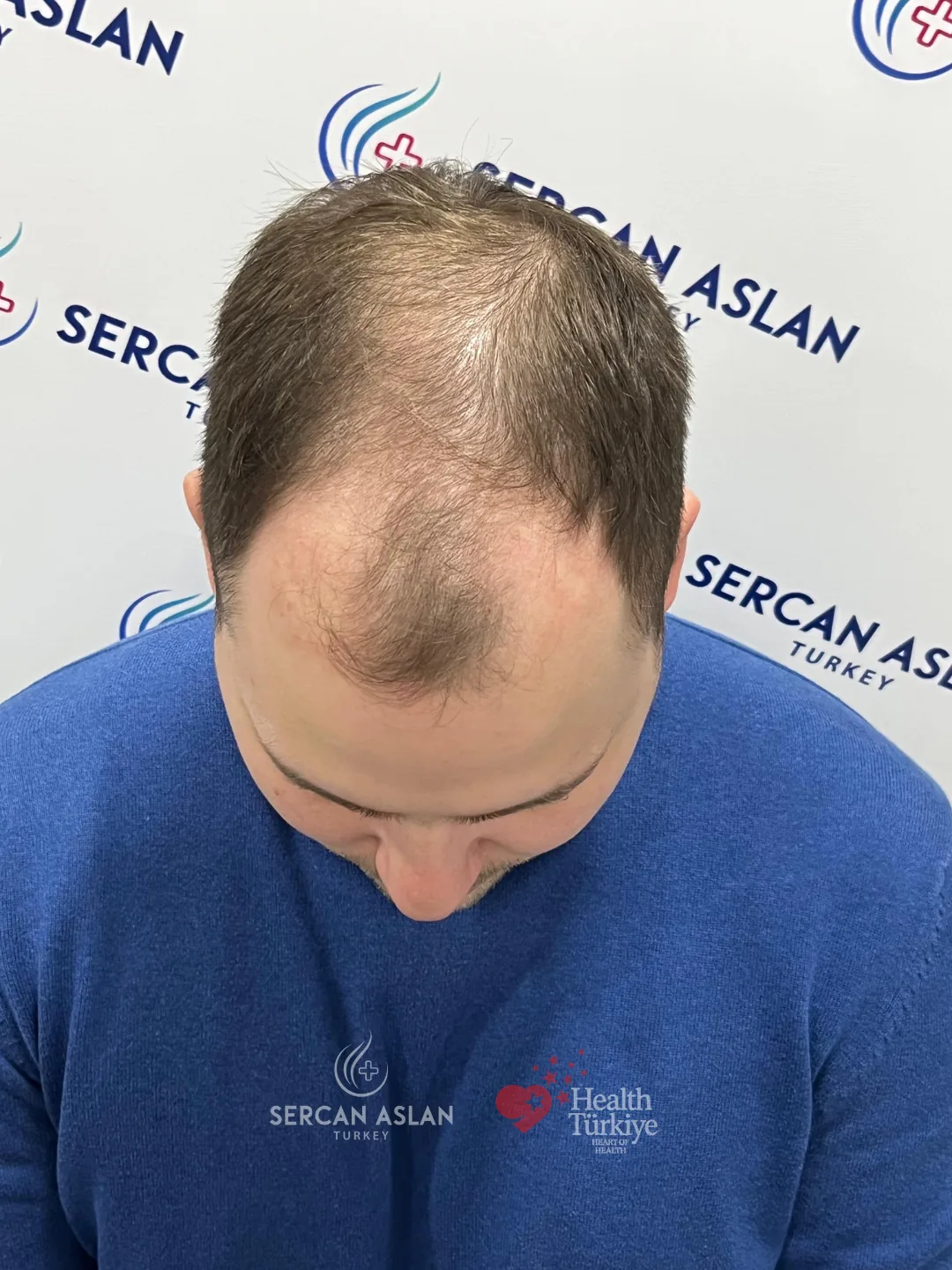 Before
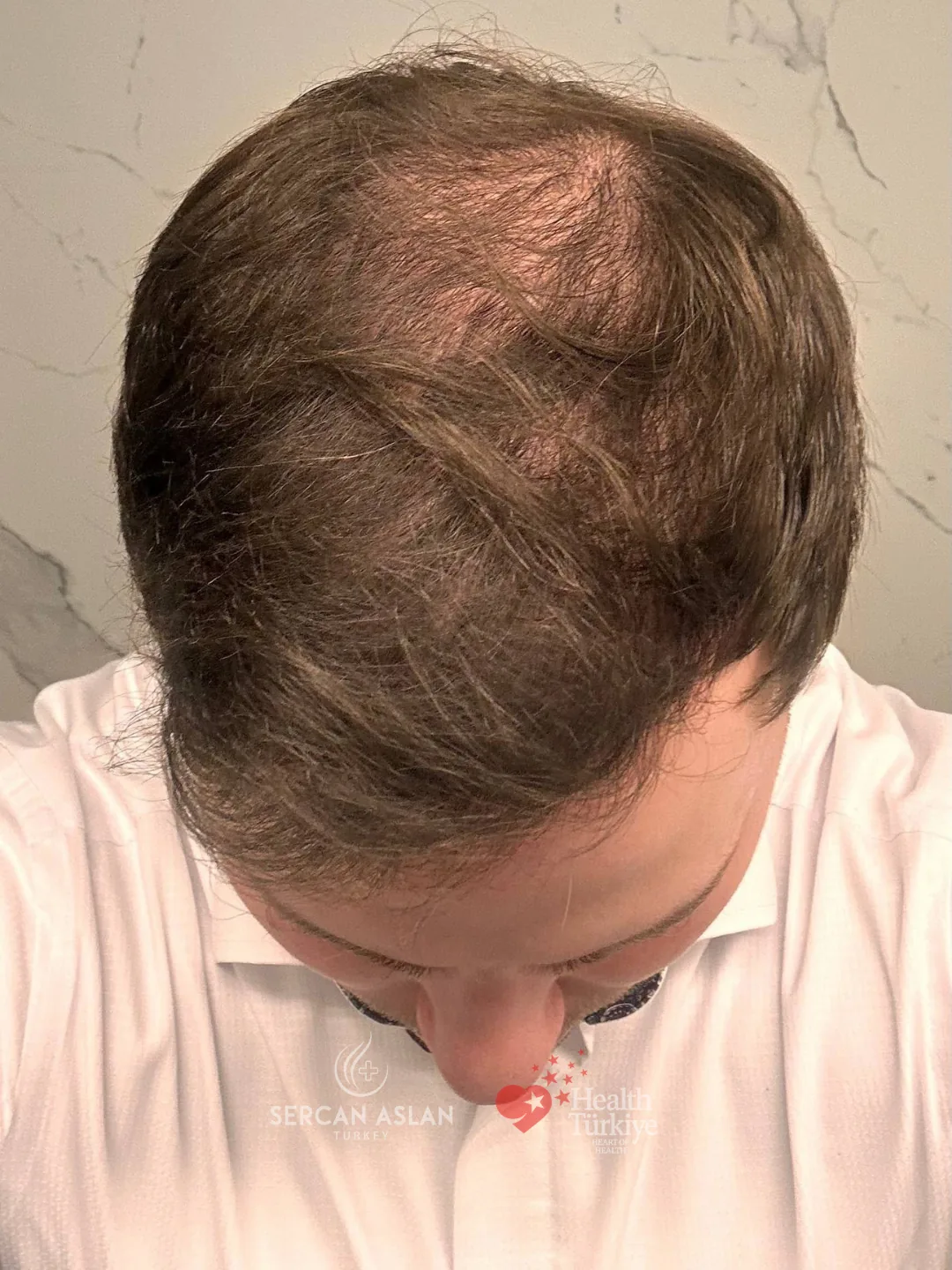 After
After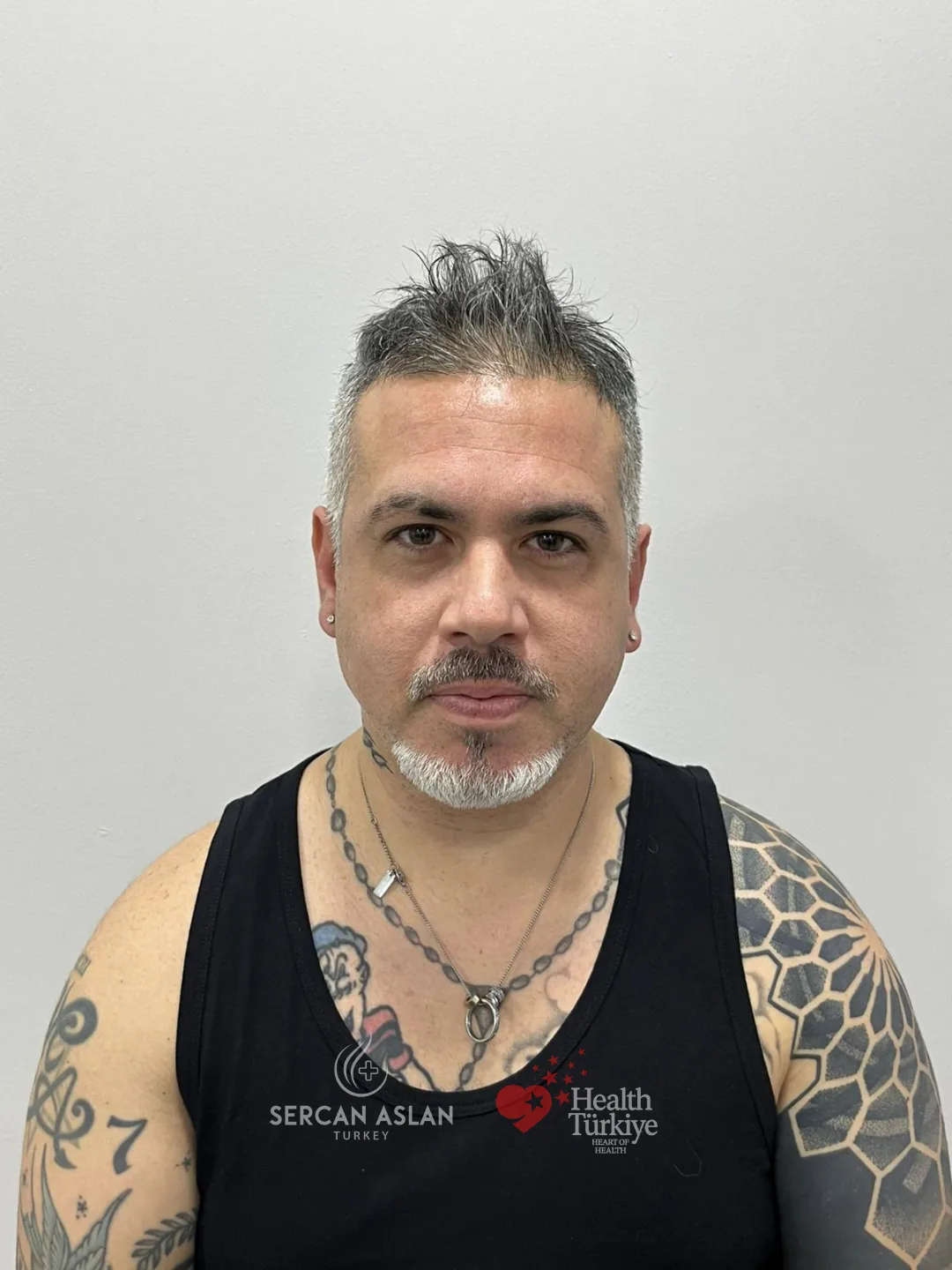 Before
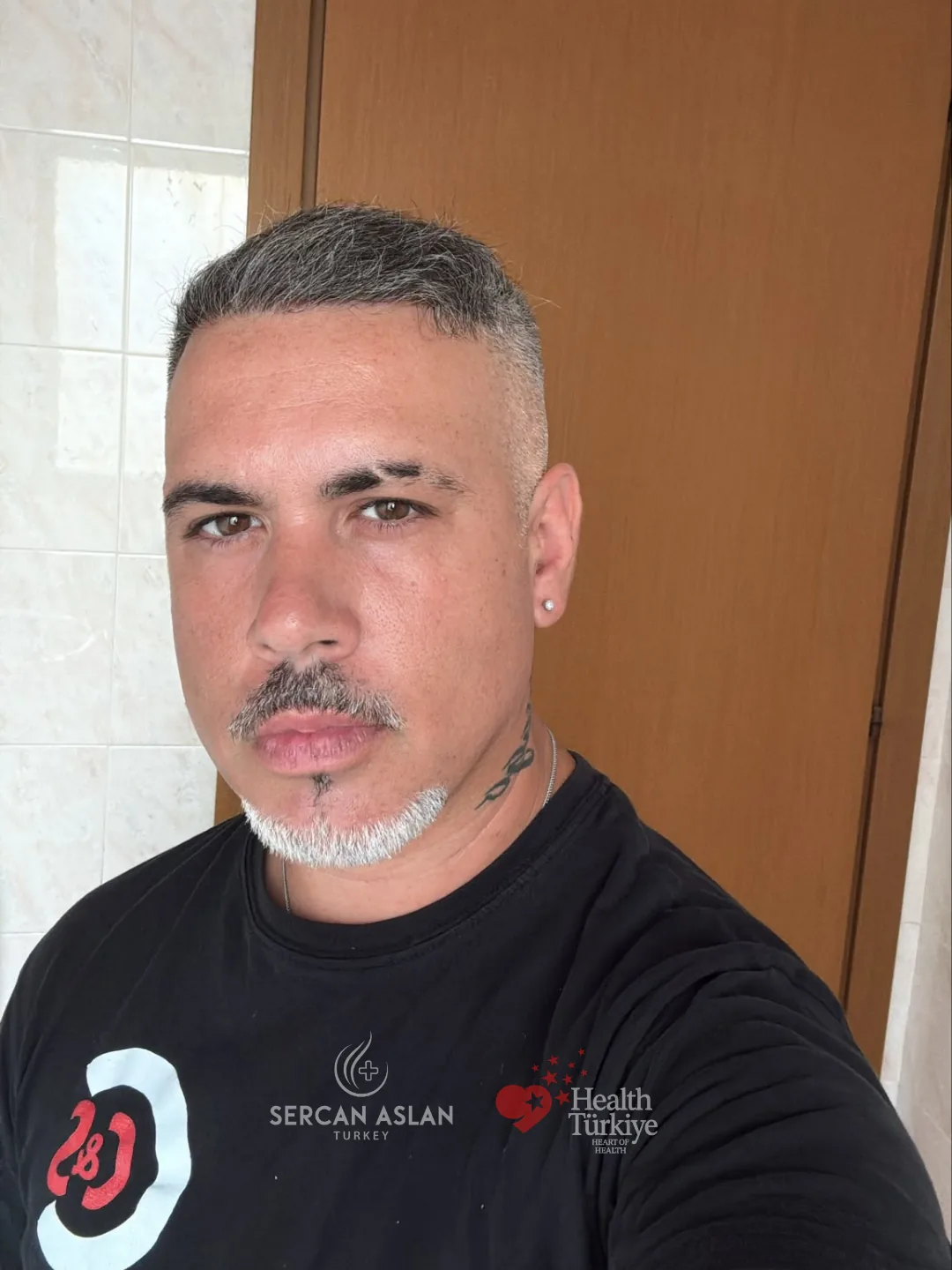 After
After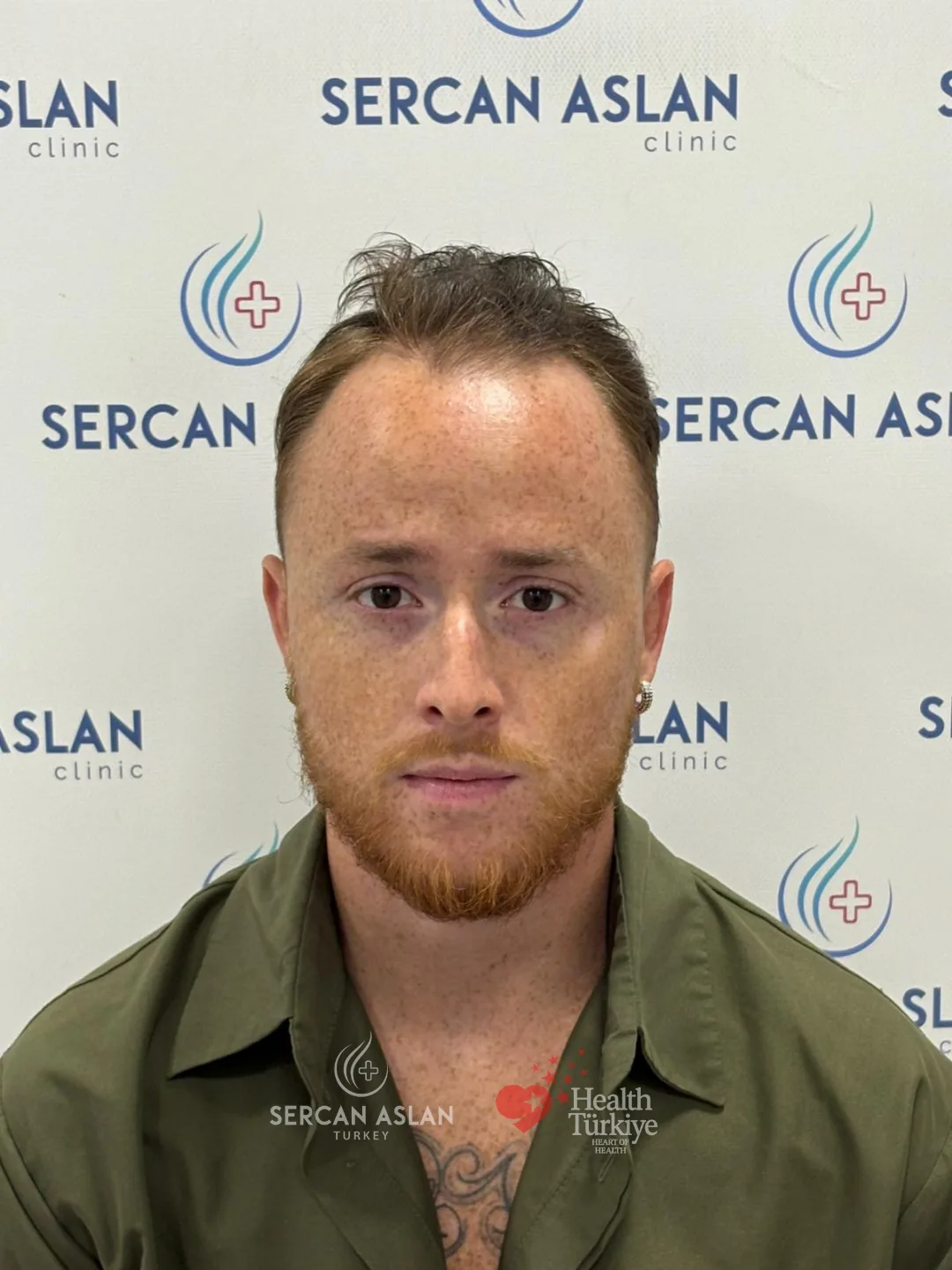 Before
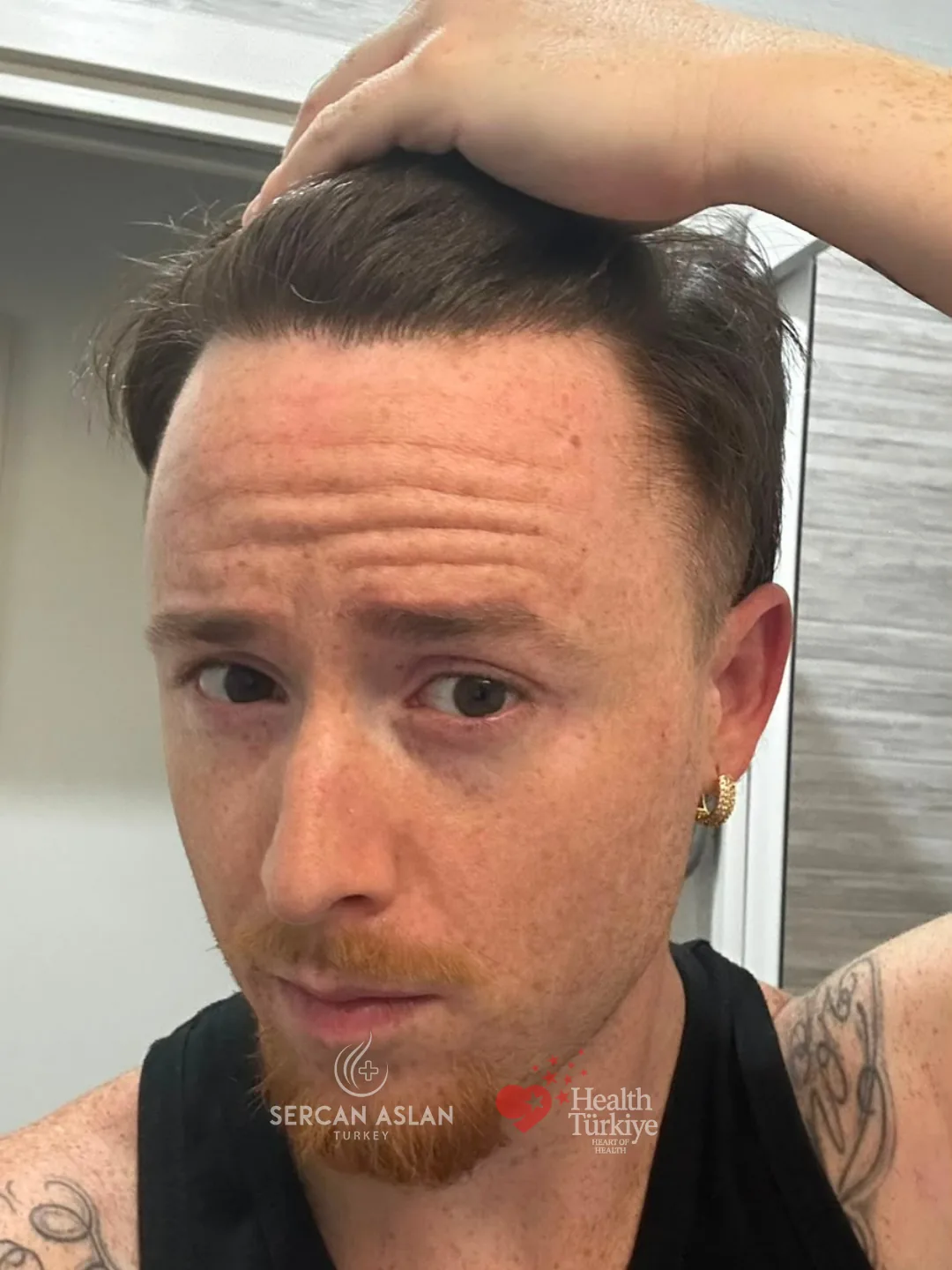 After
After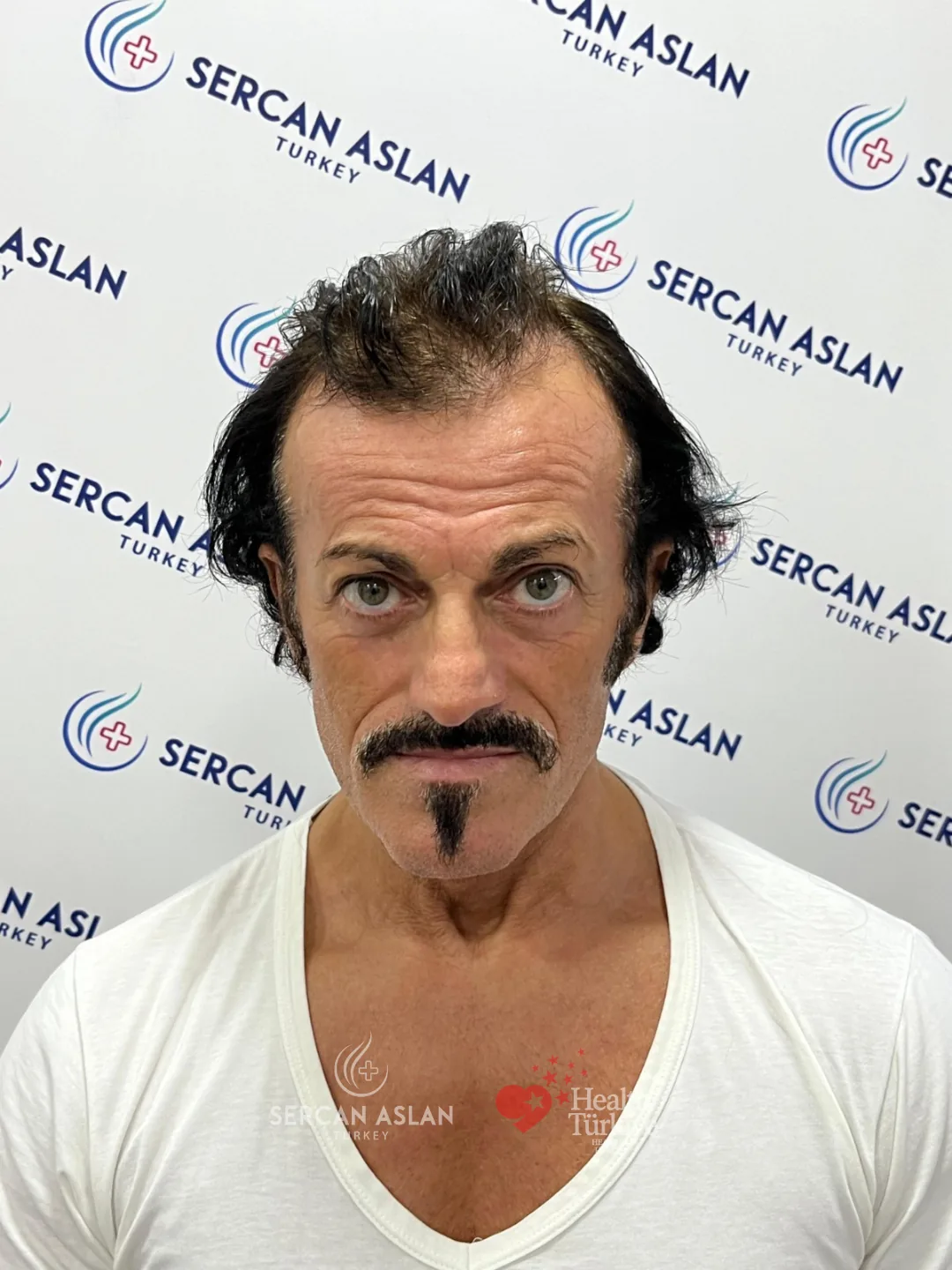 Before
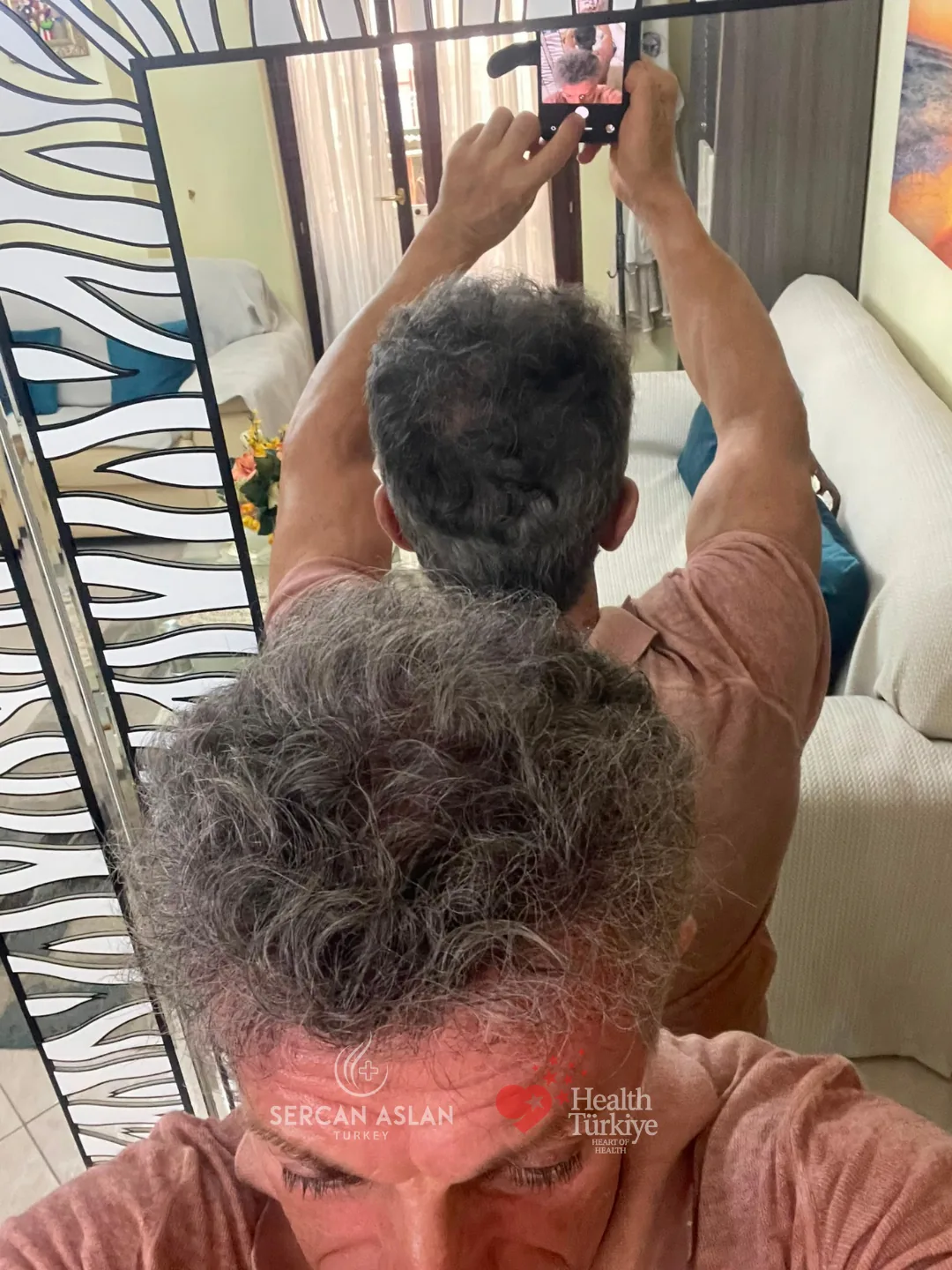 After
After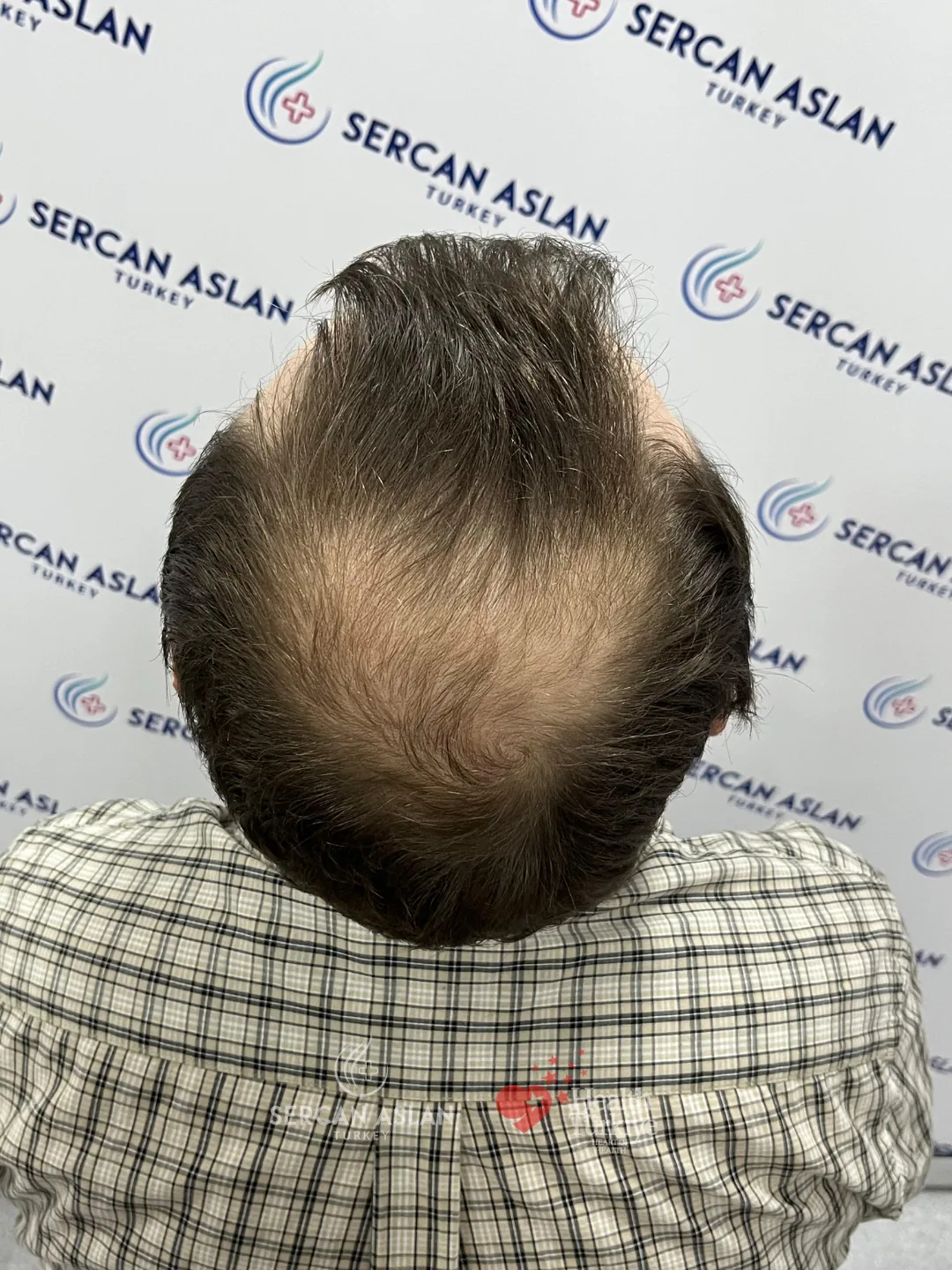 Before
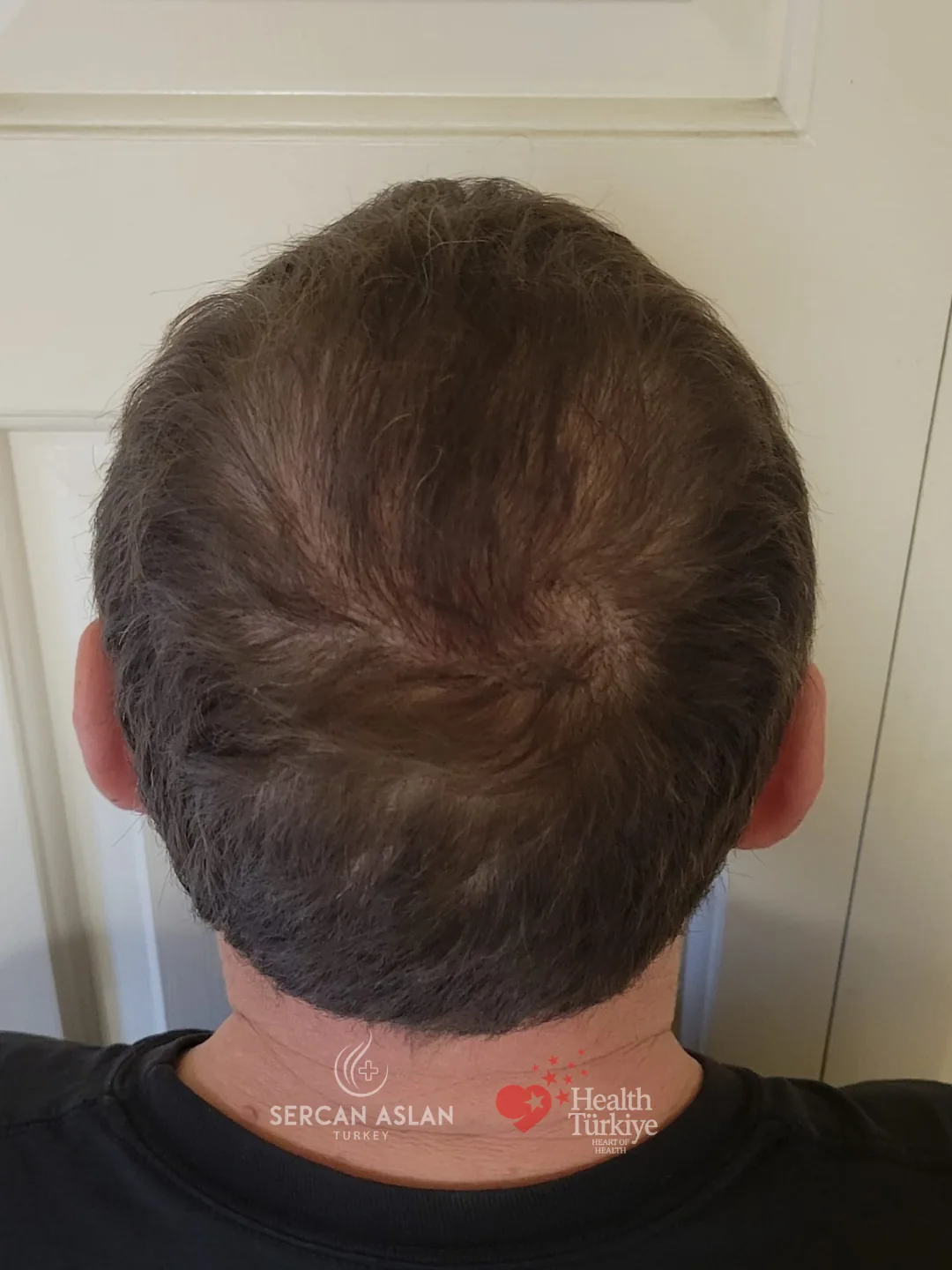 After
After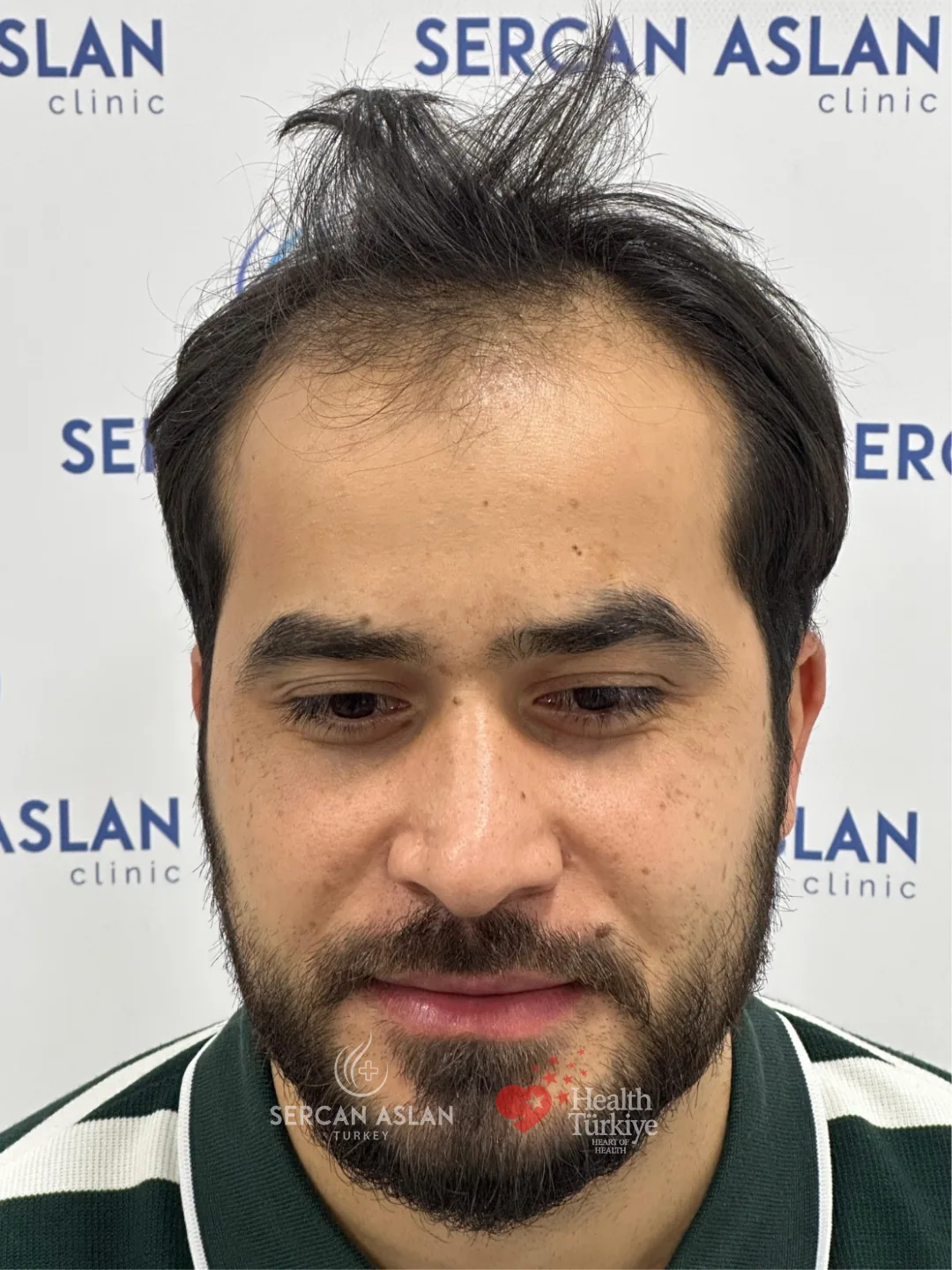 Before
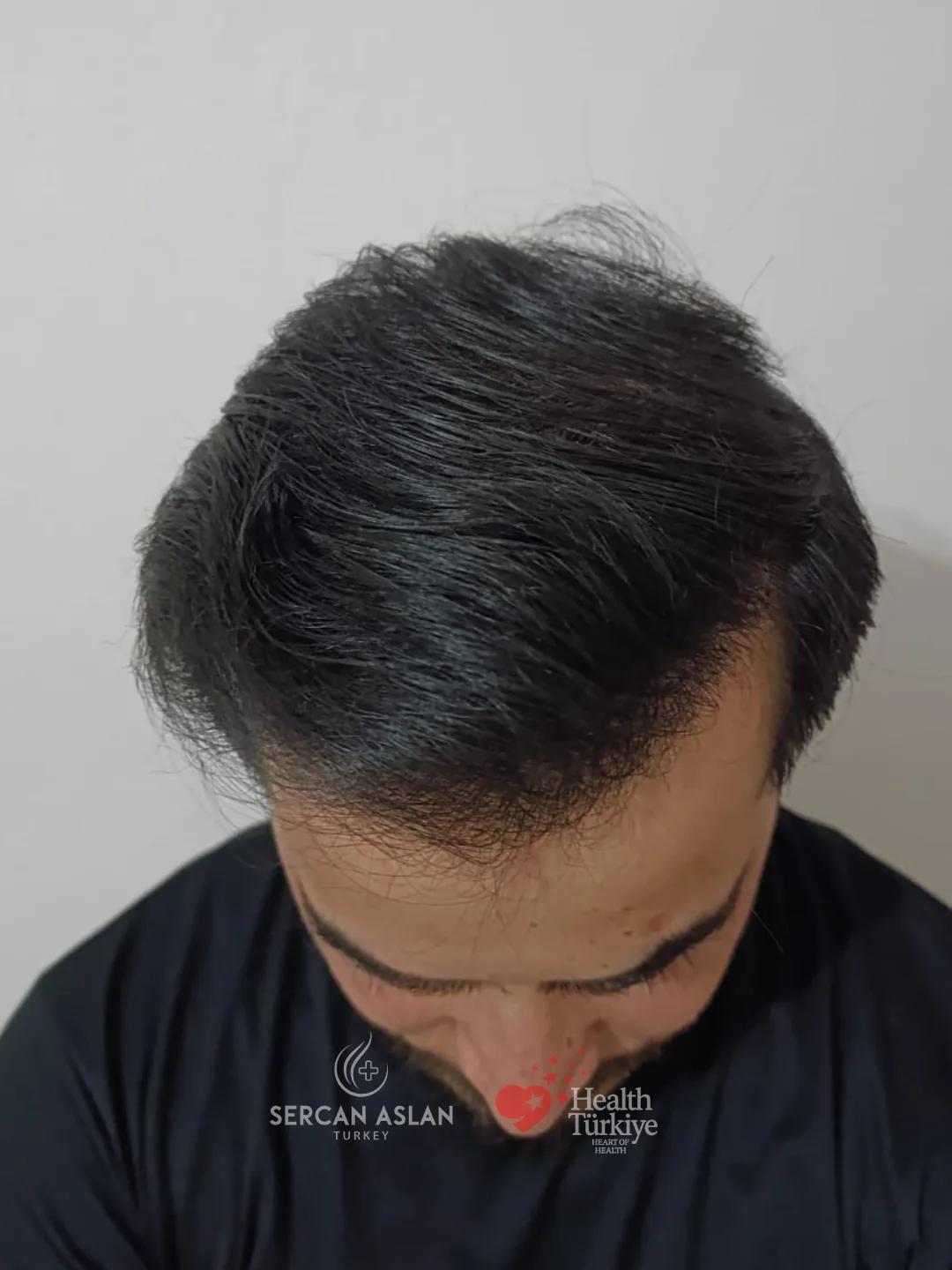 After
After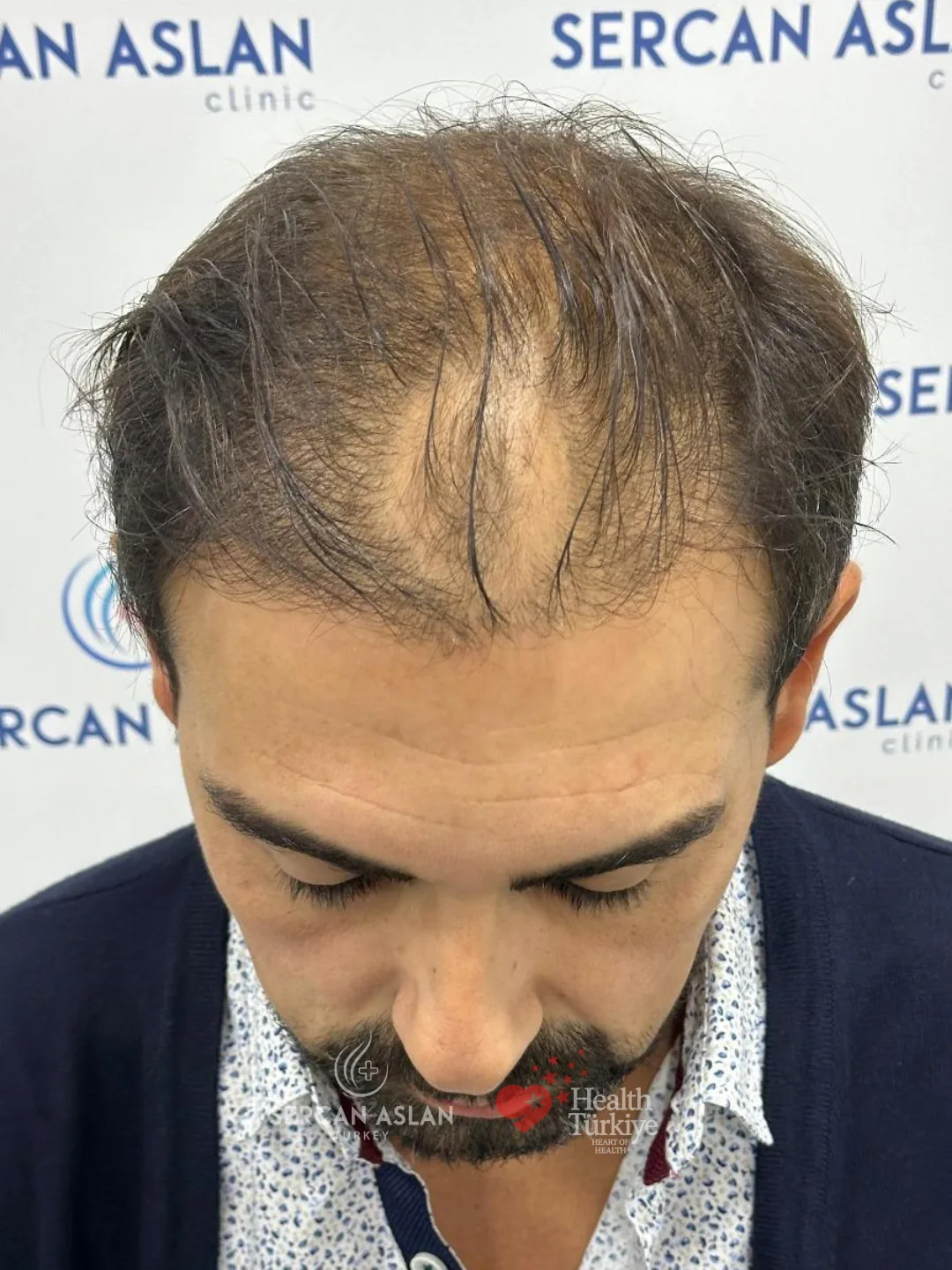 Before
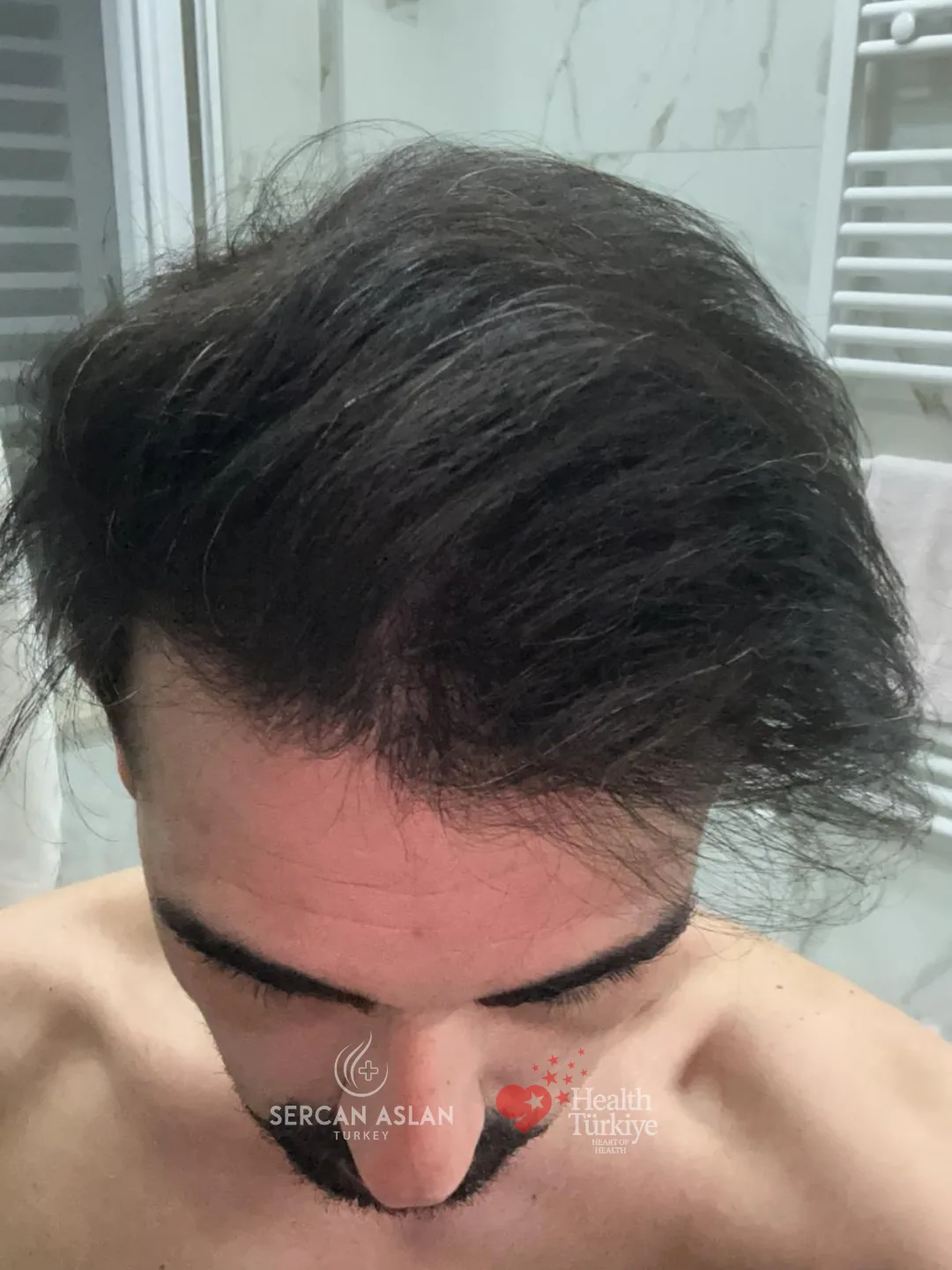 After
After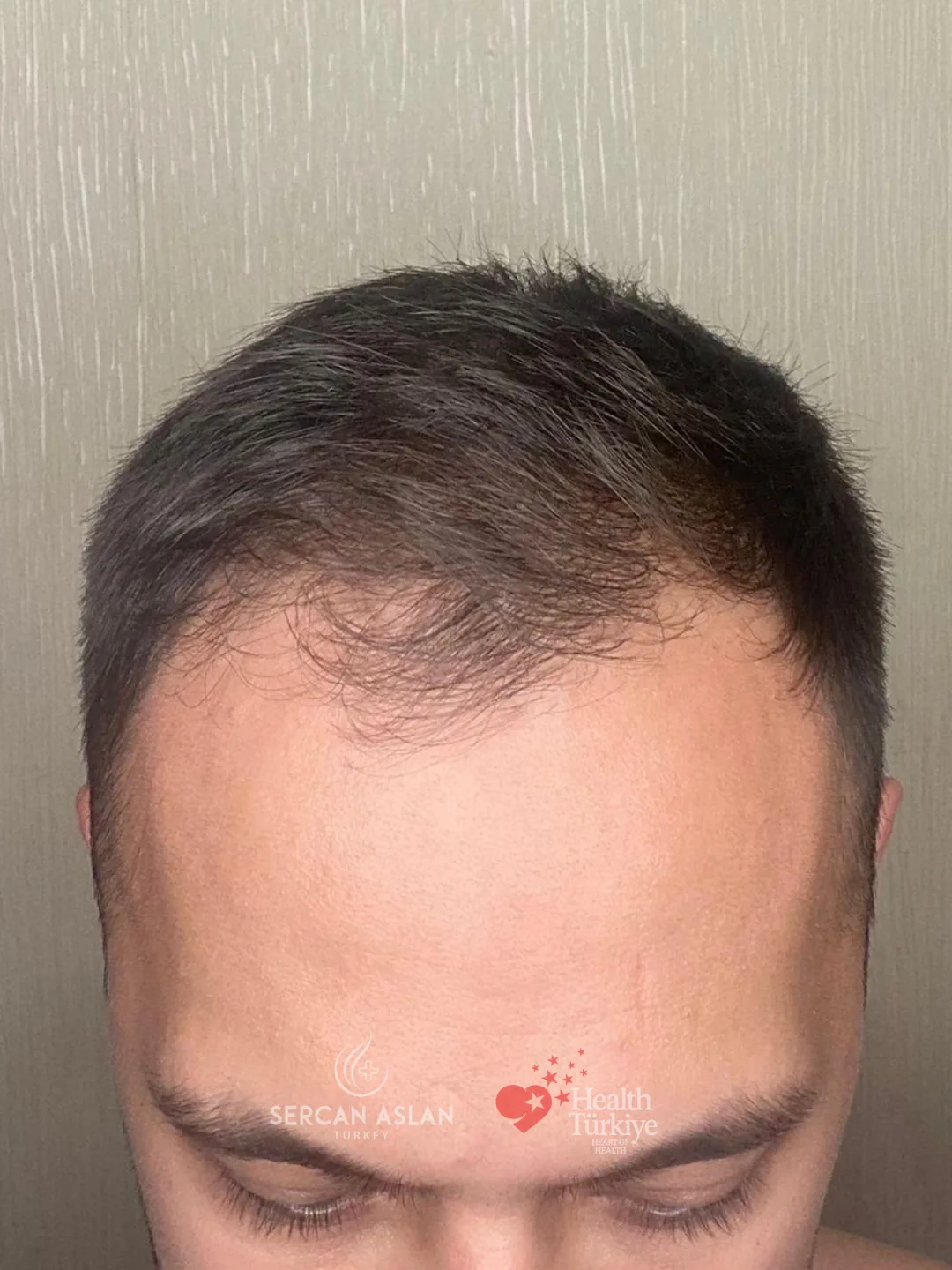 Before
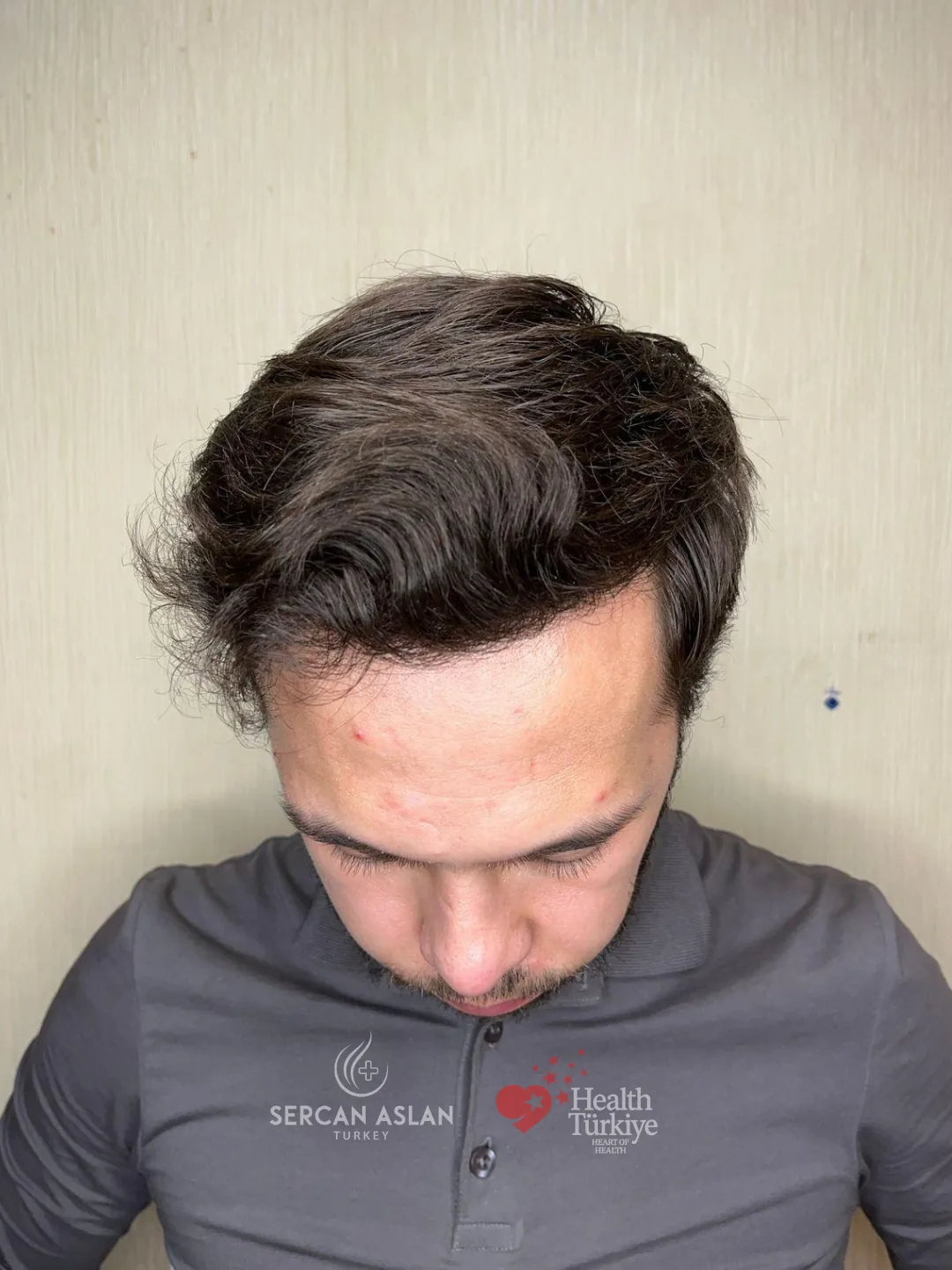 After
After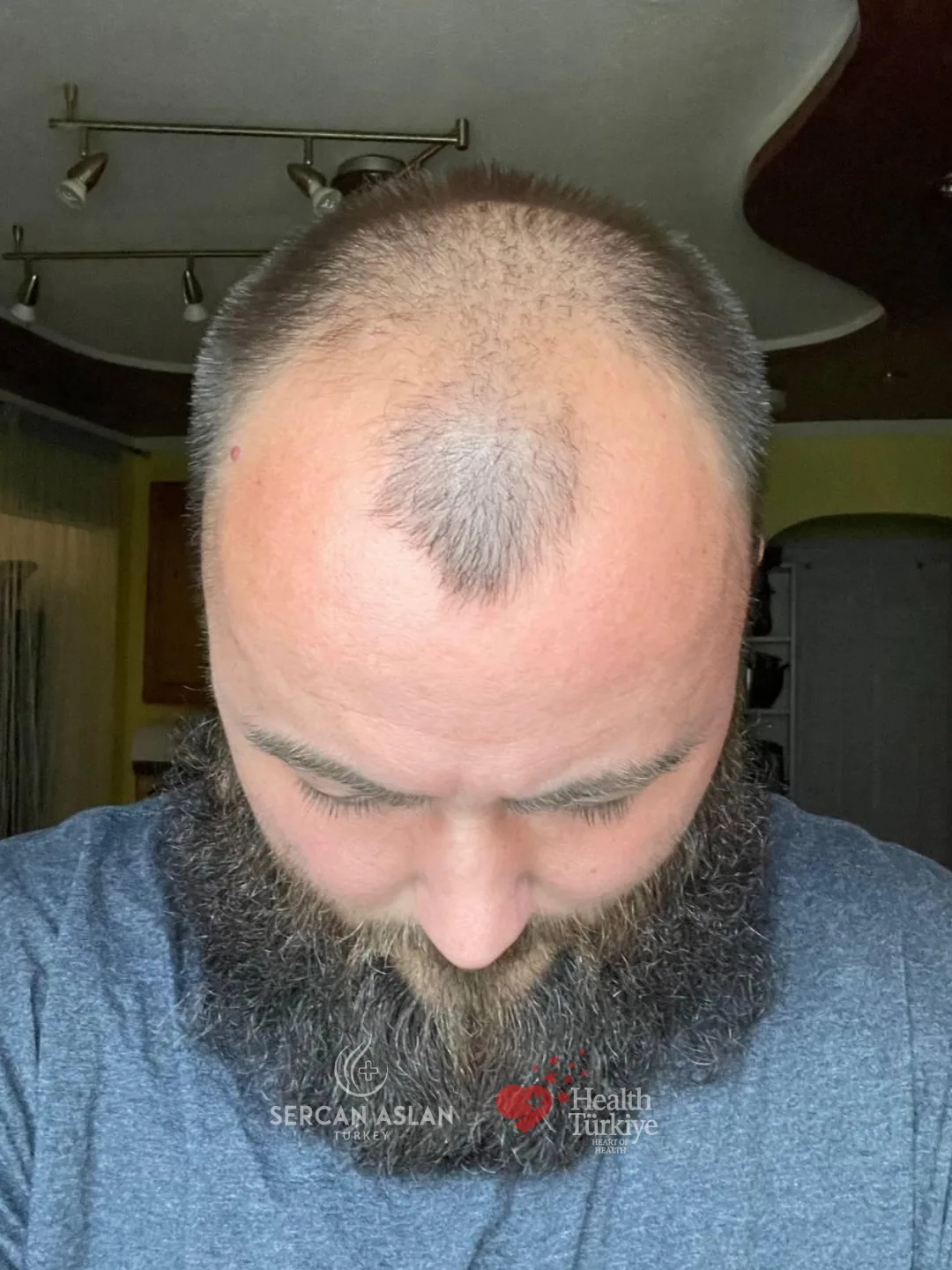 Before
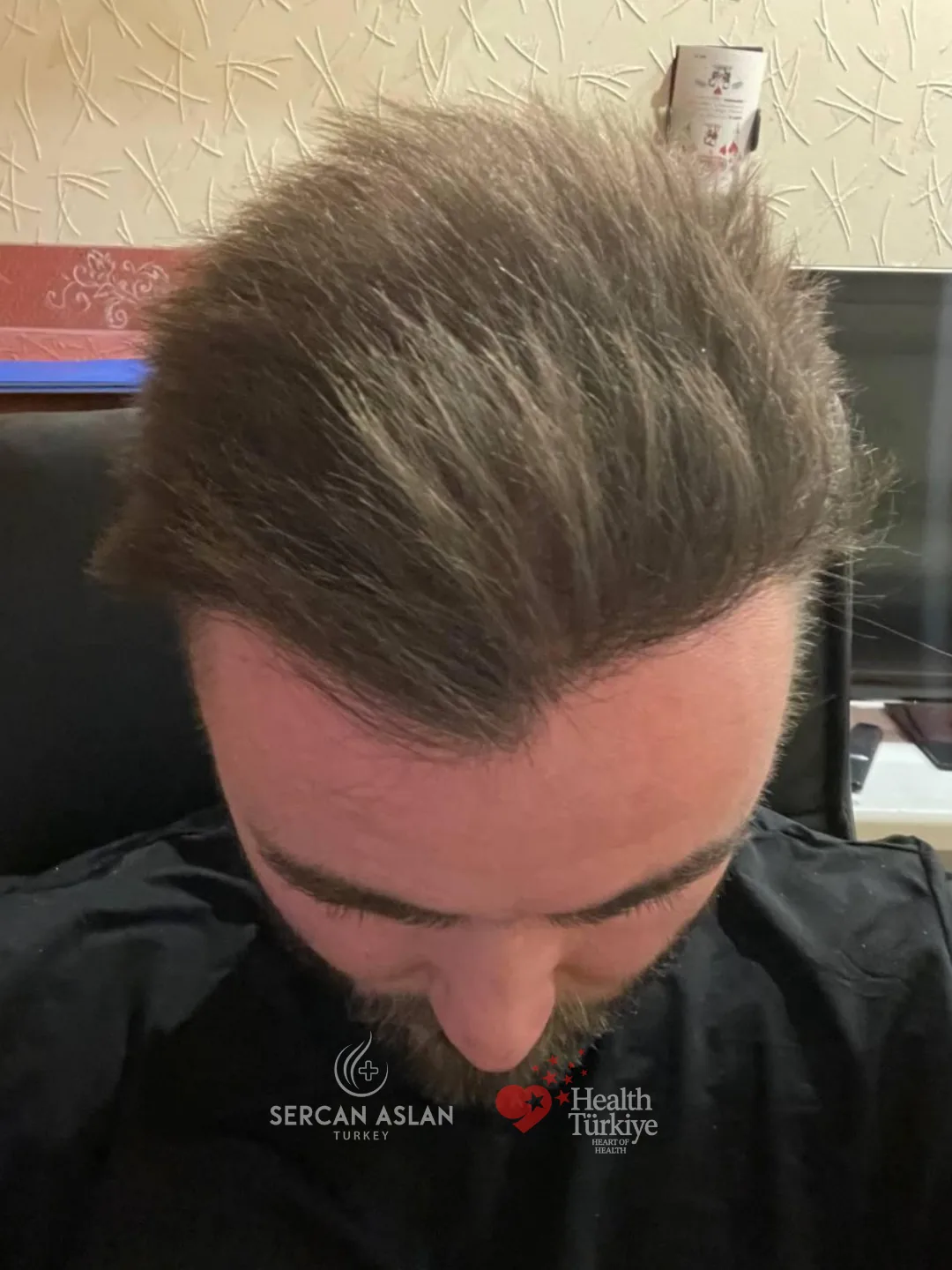 After
After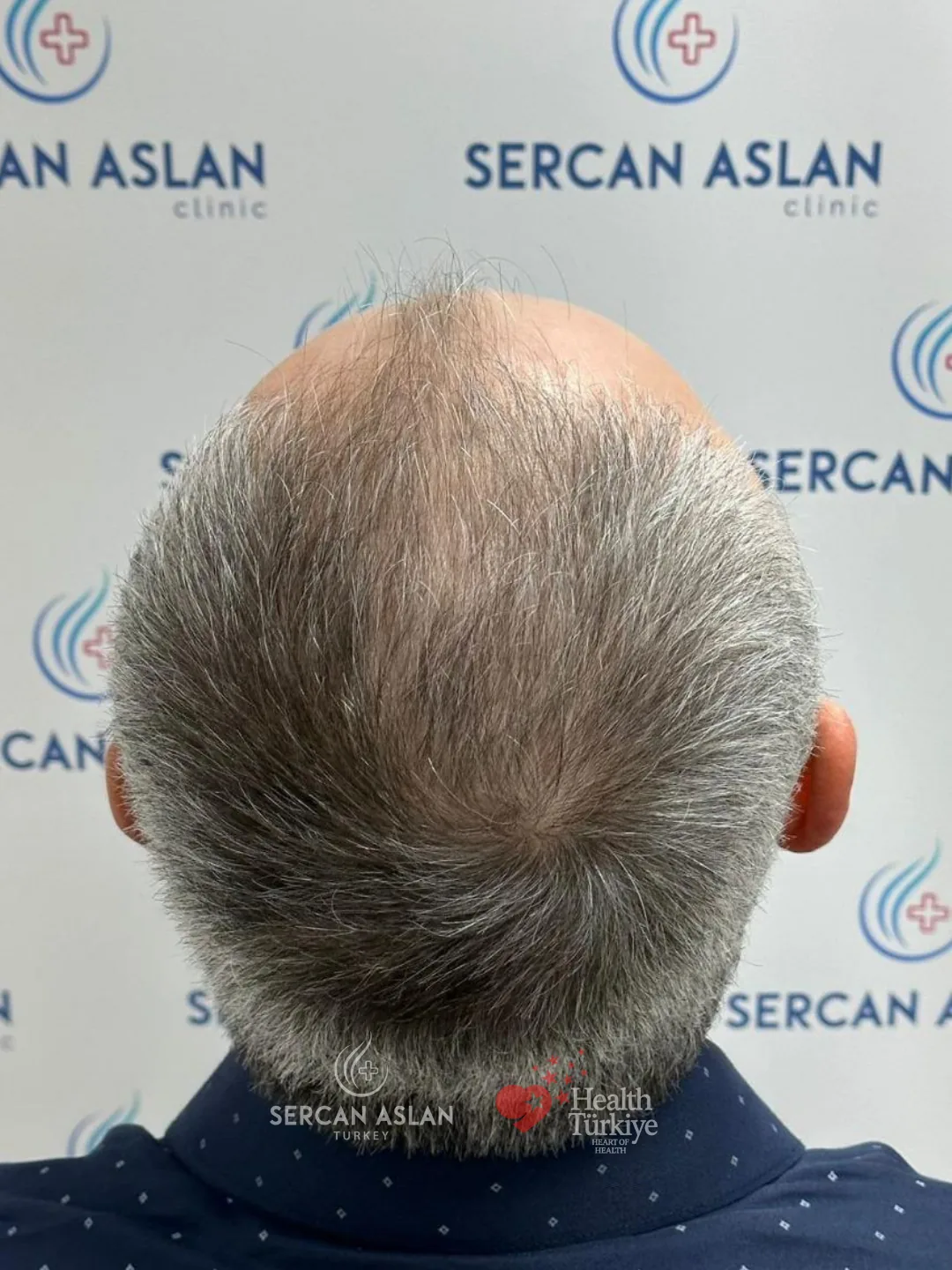 Before
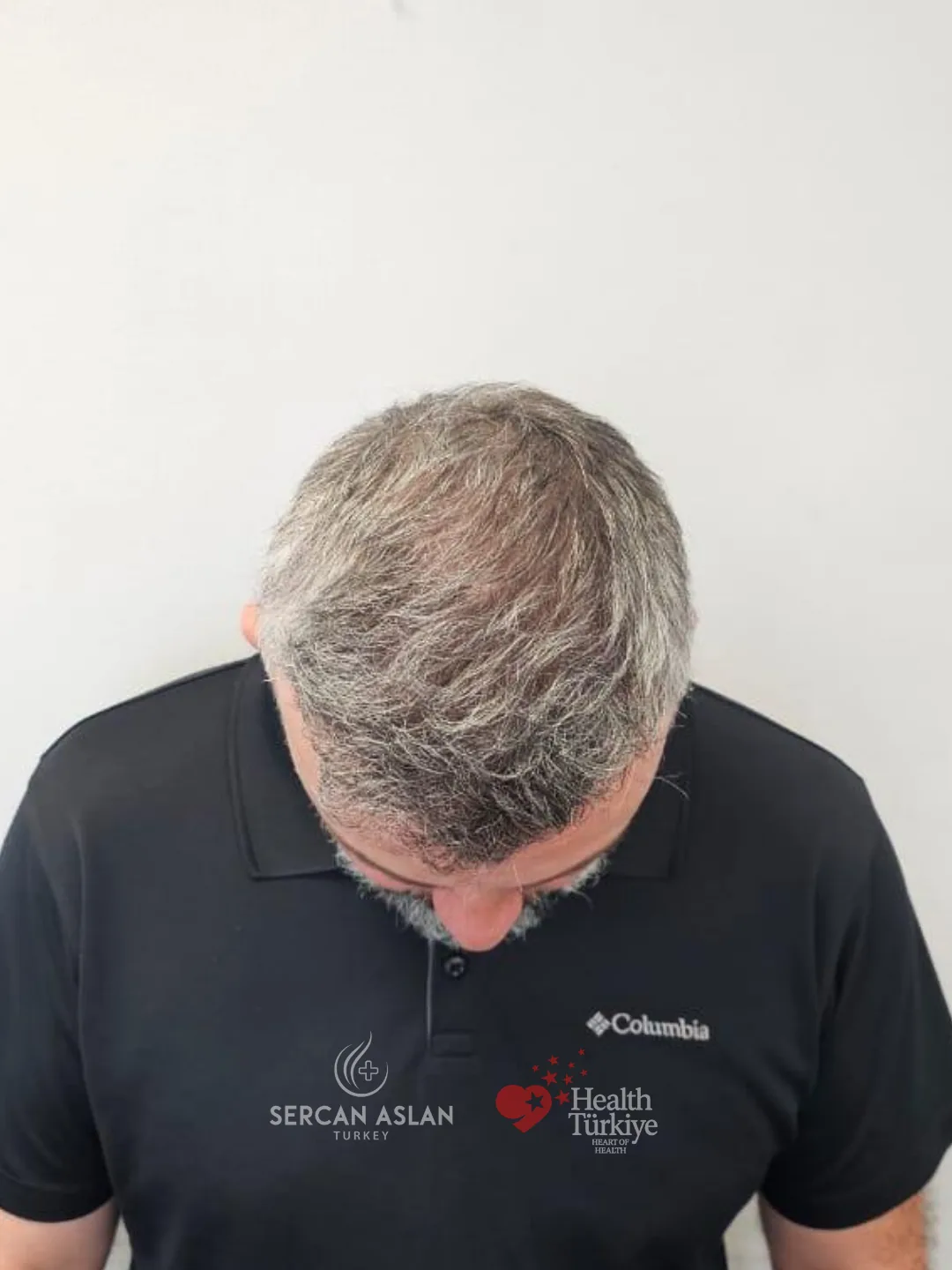 After
After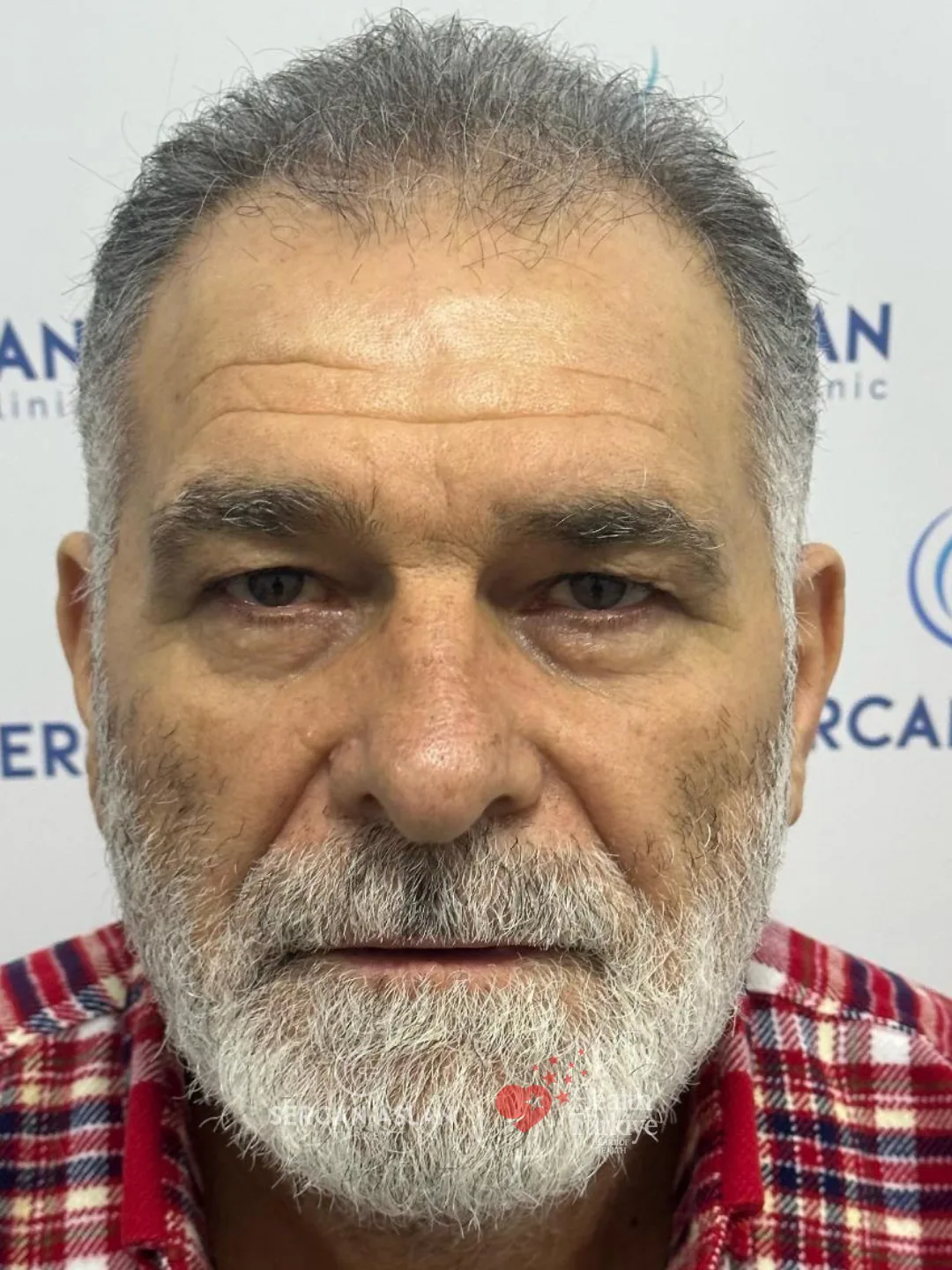 Before
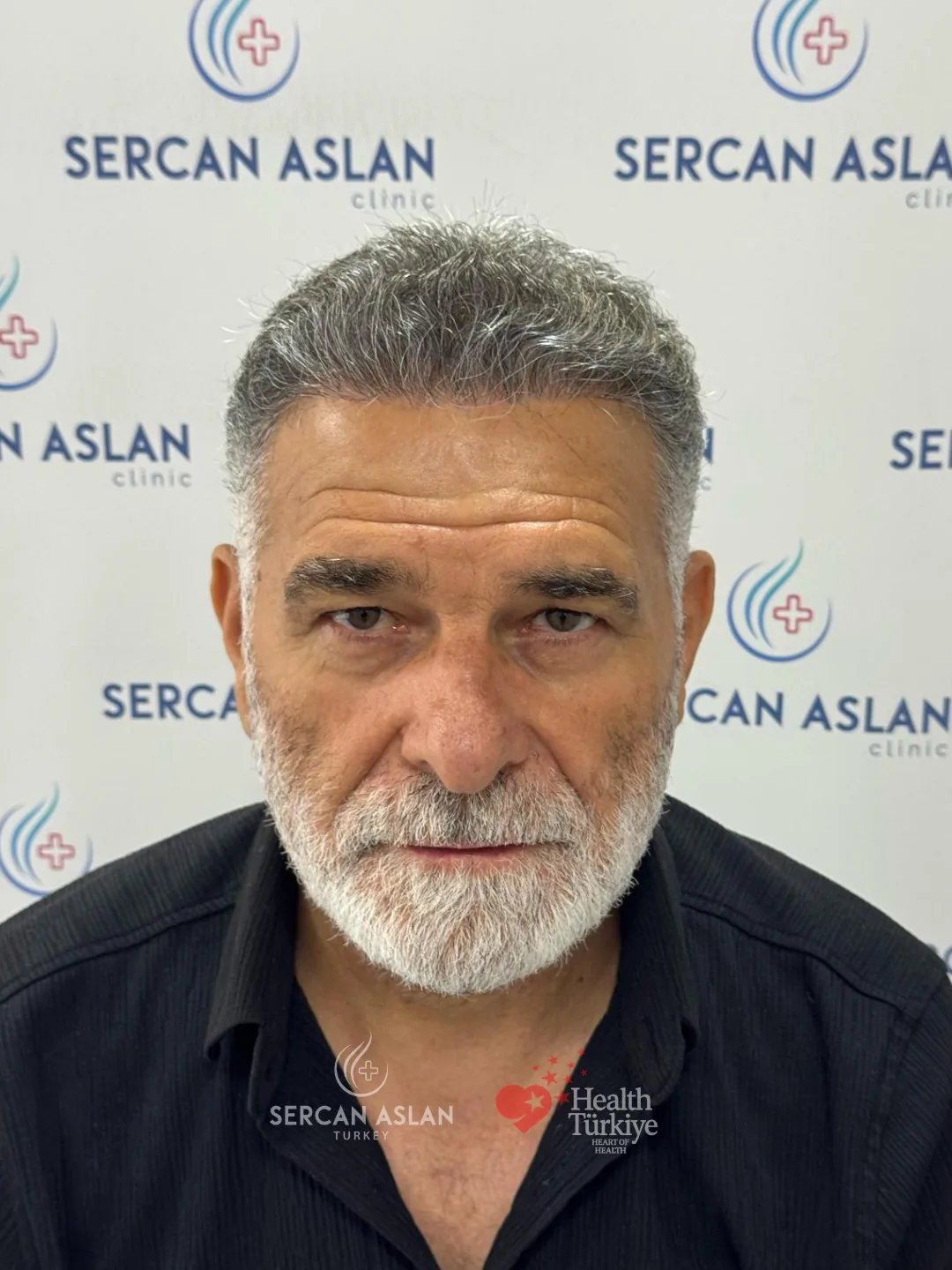 After
After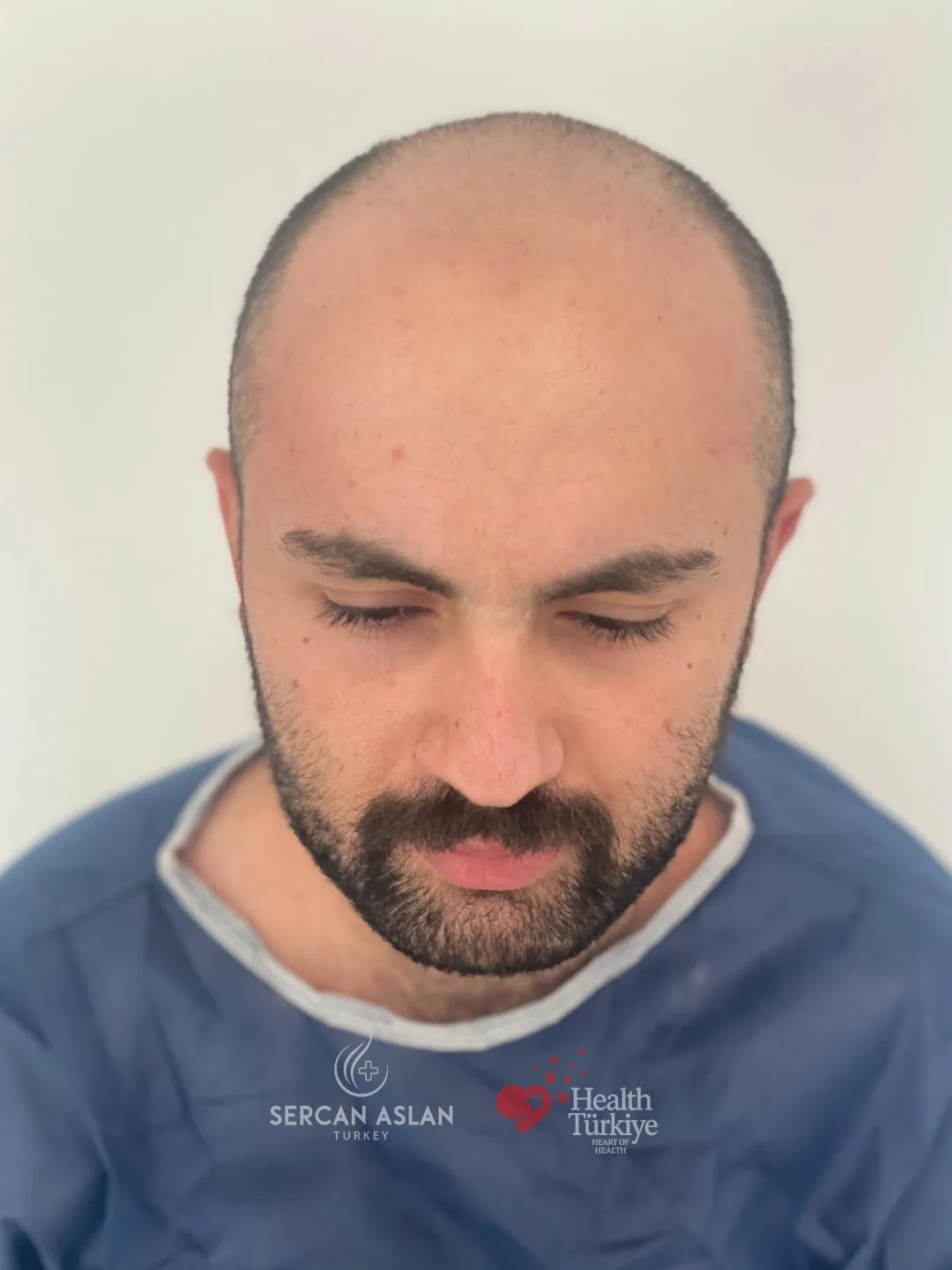 Before
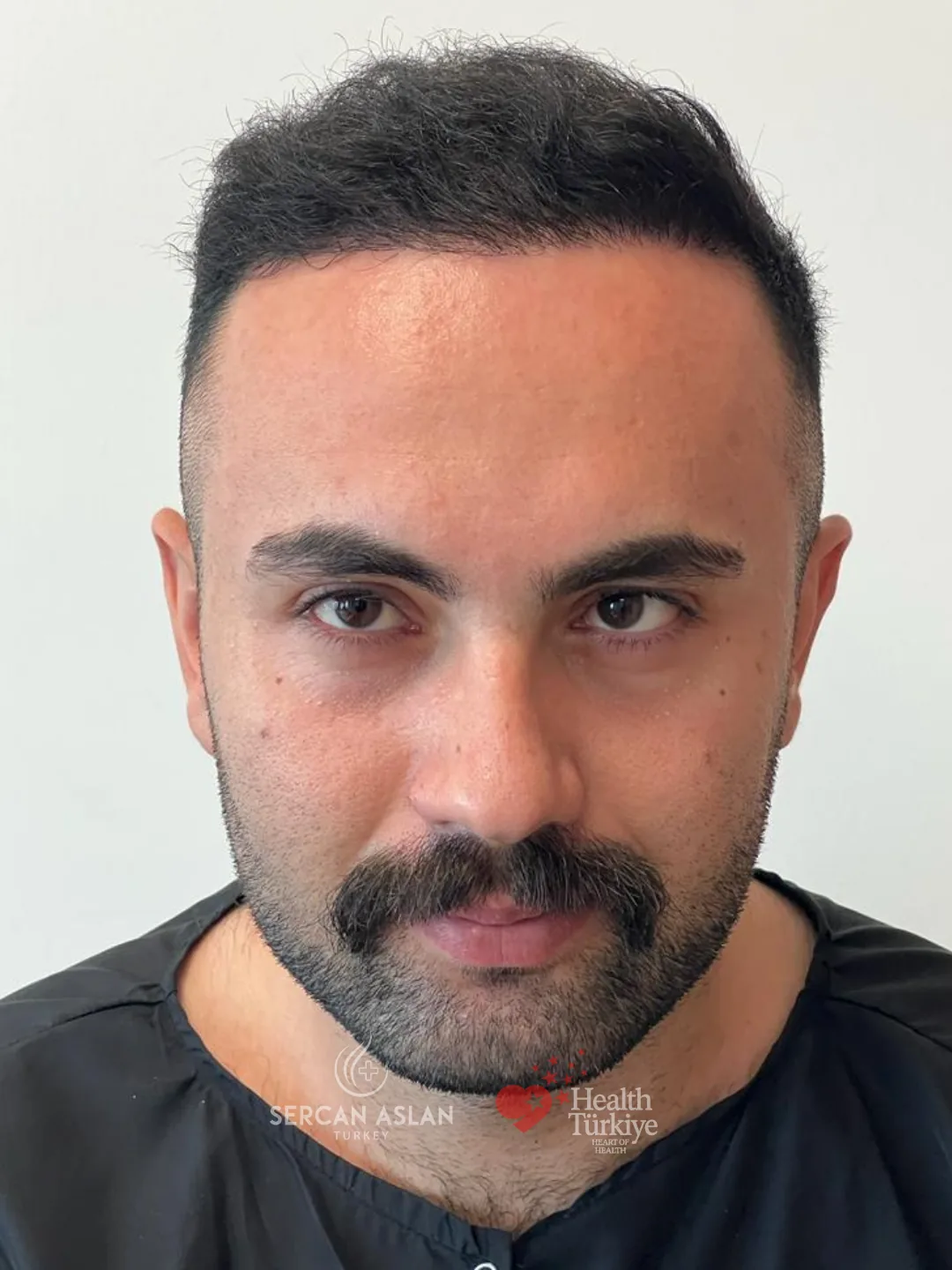 After
After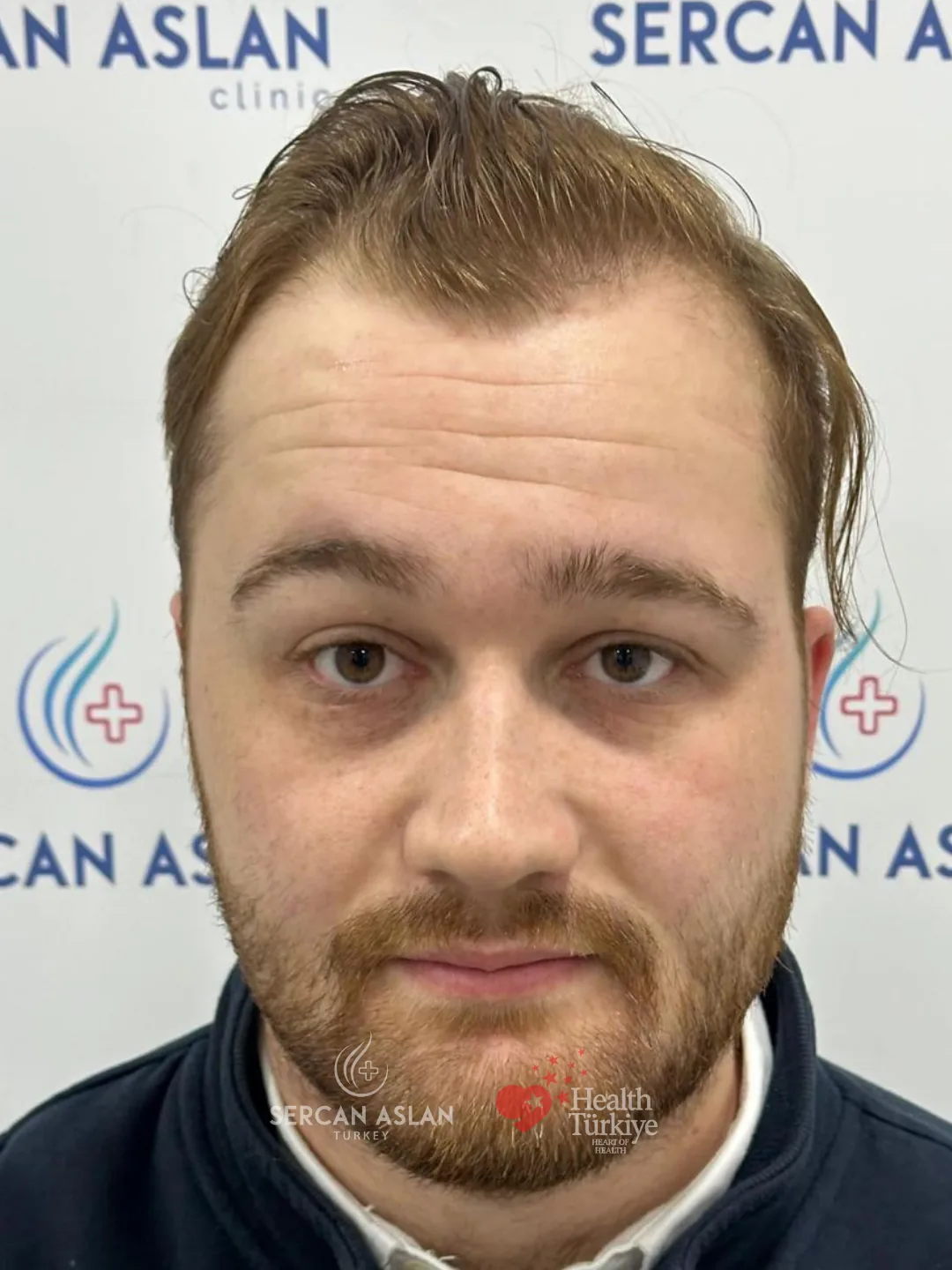 Before
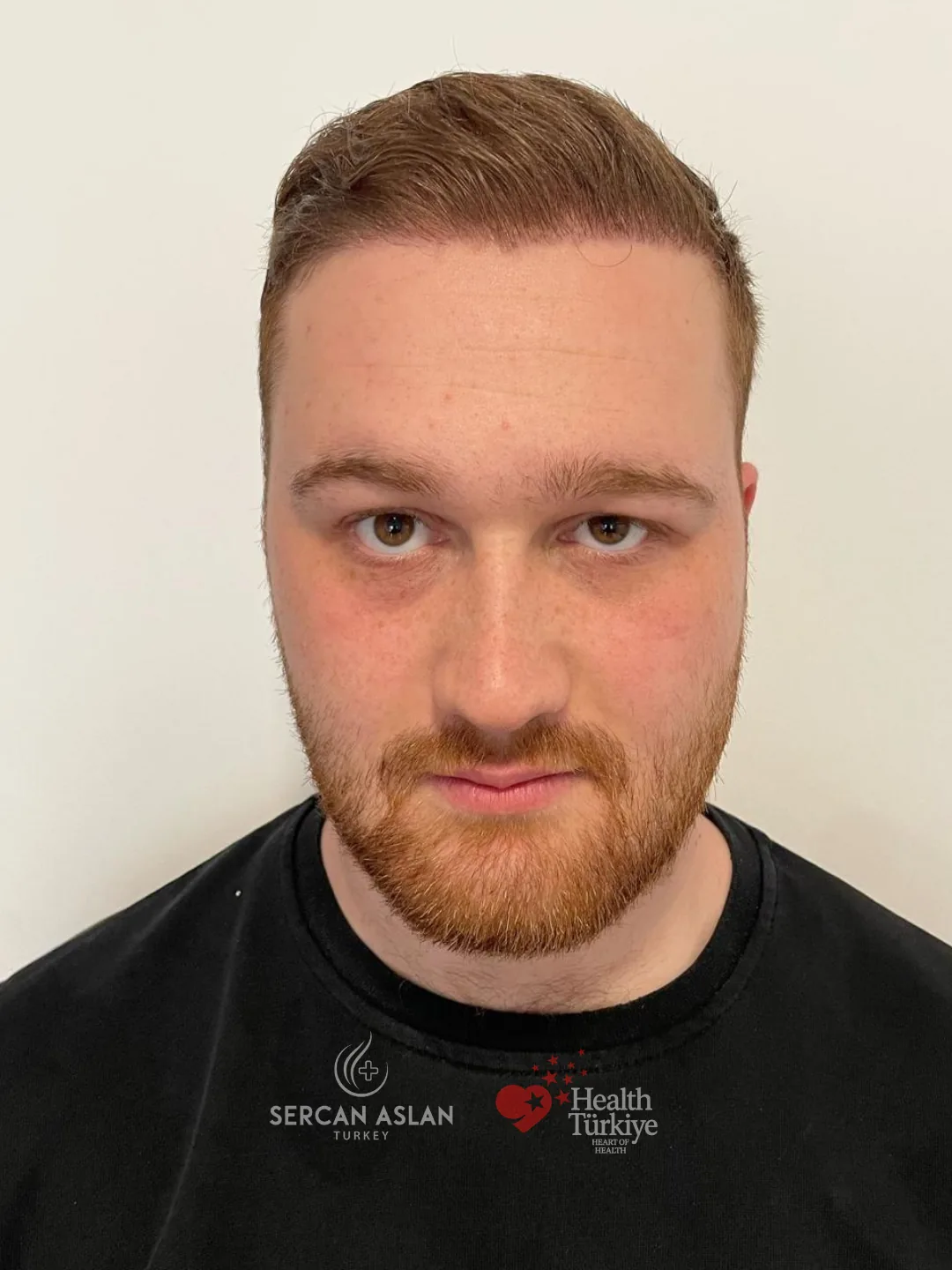 After
After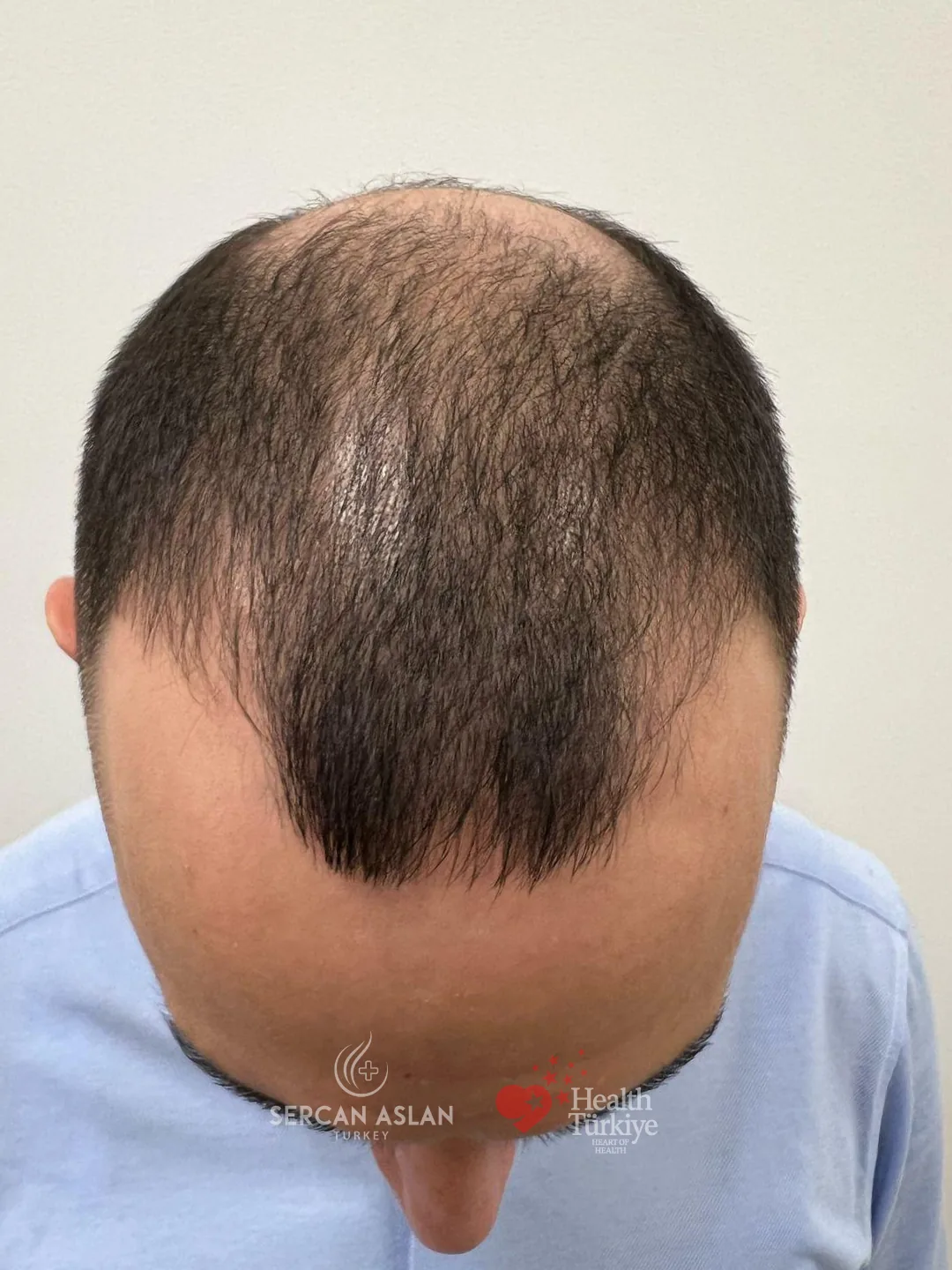 Before
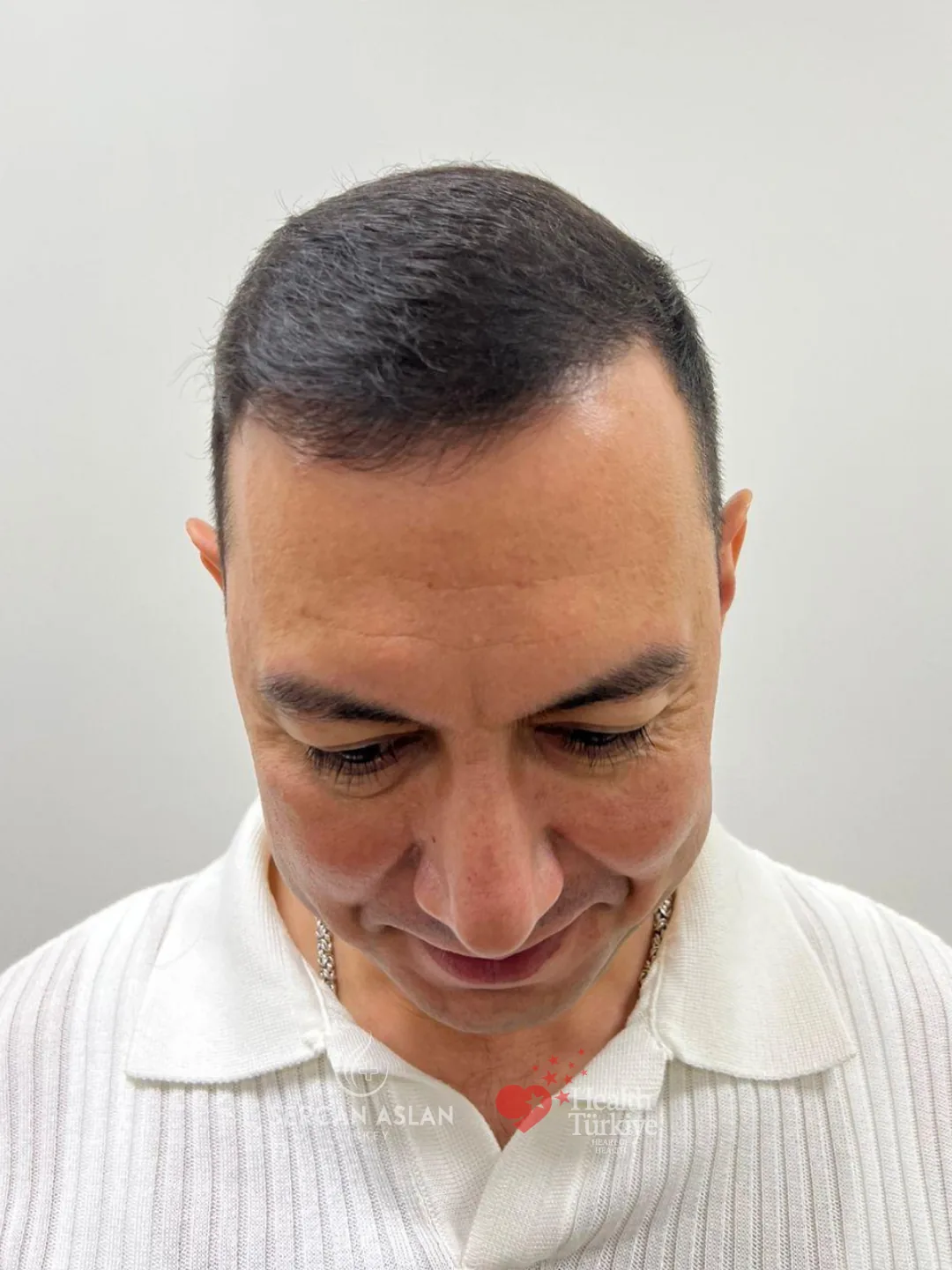 After
After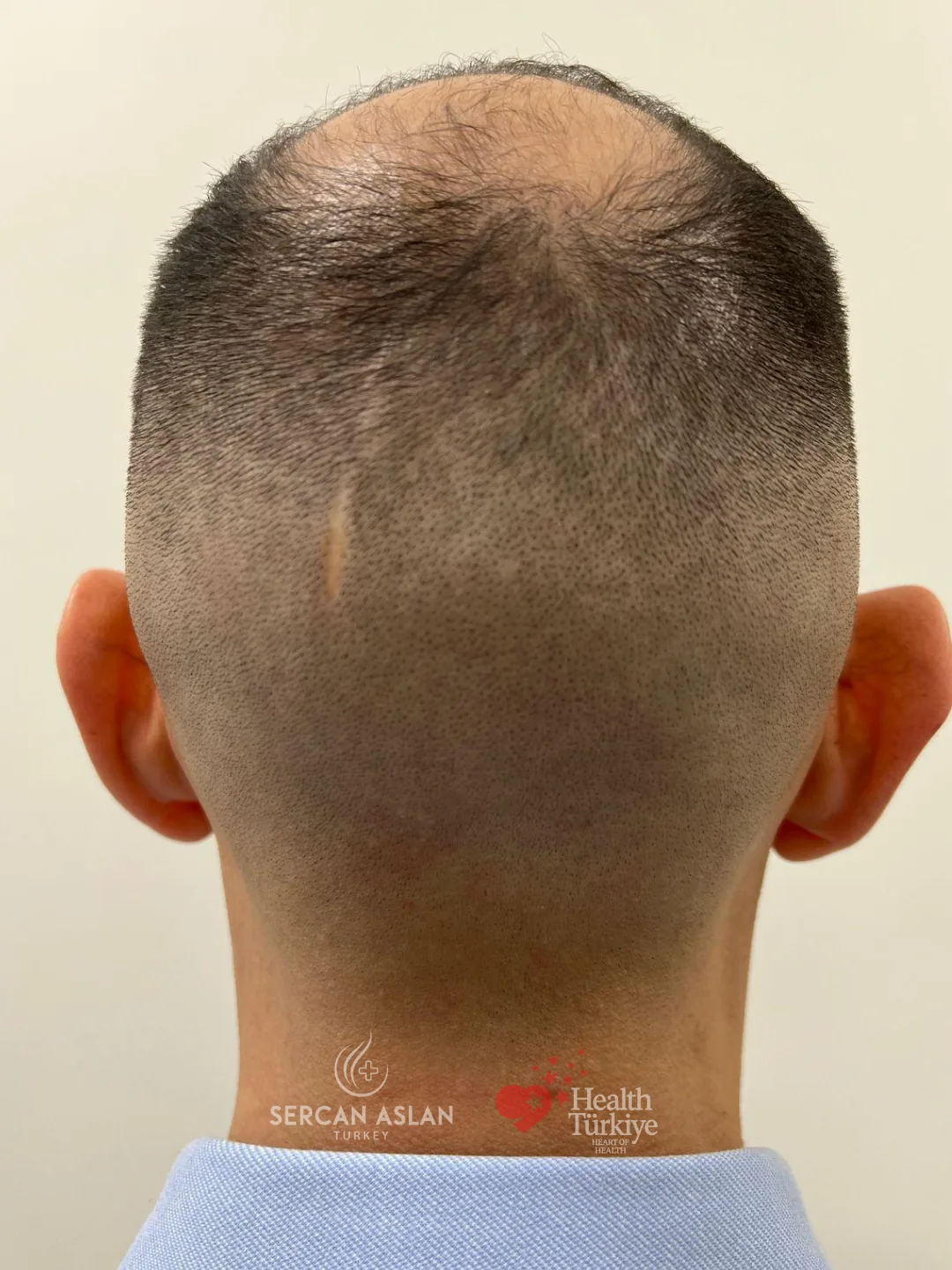 Before
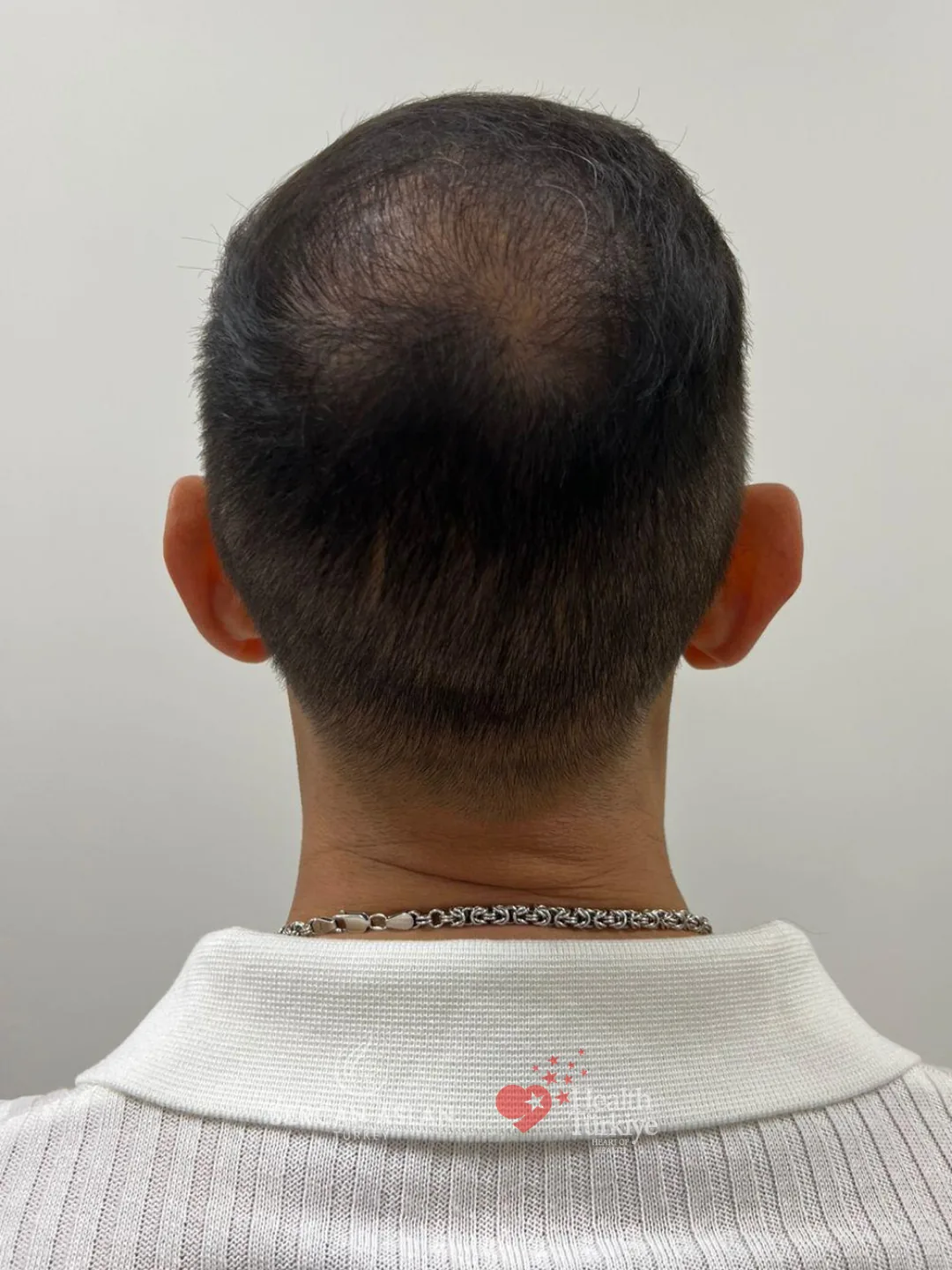 After
After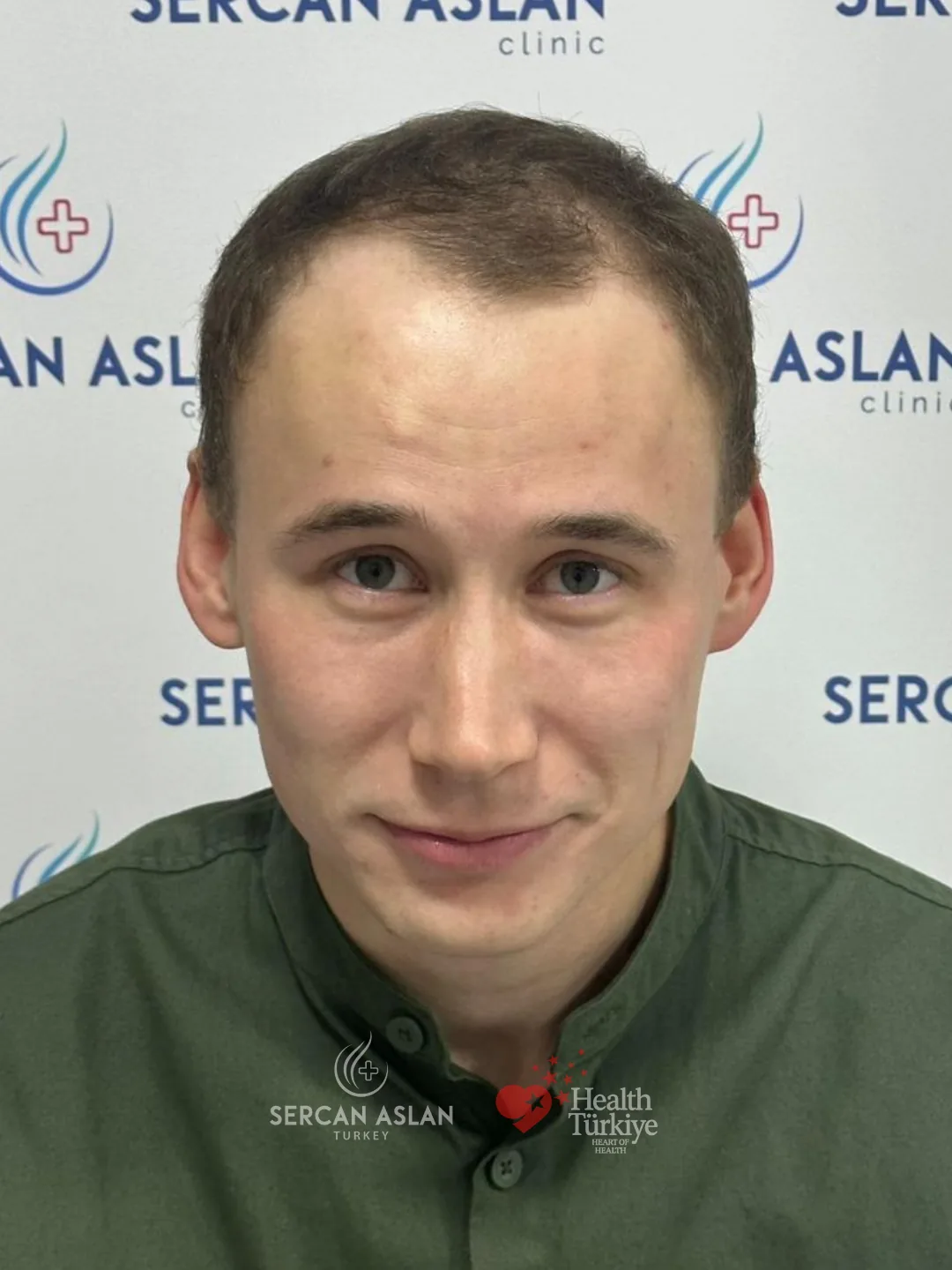 Before
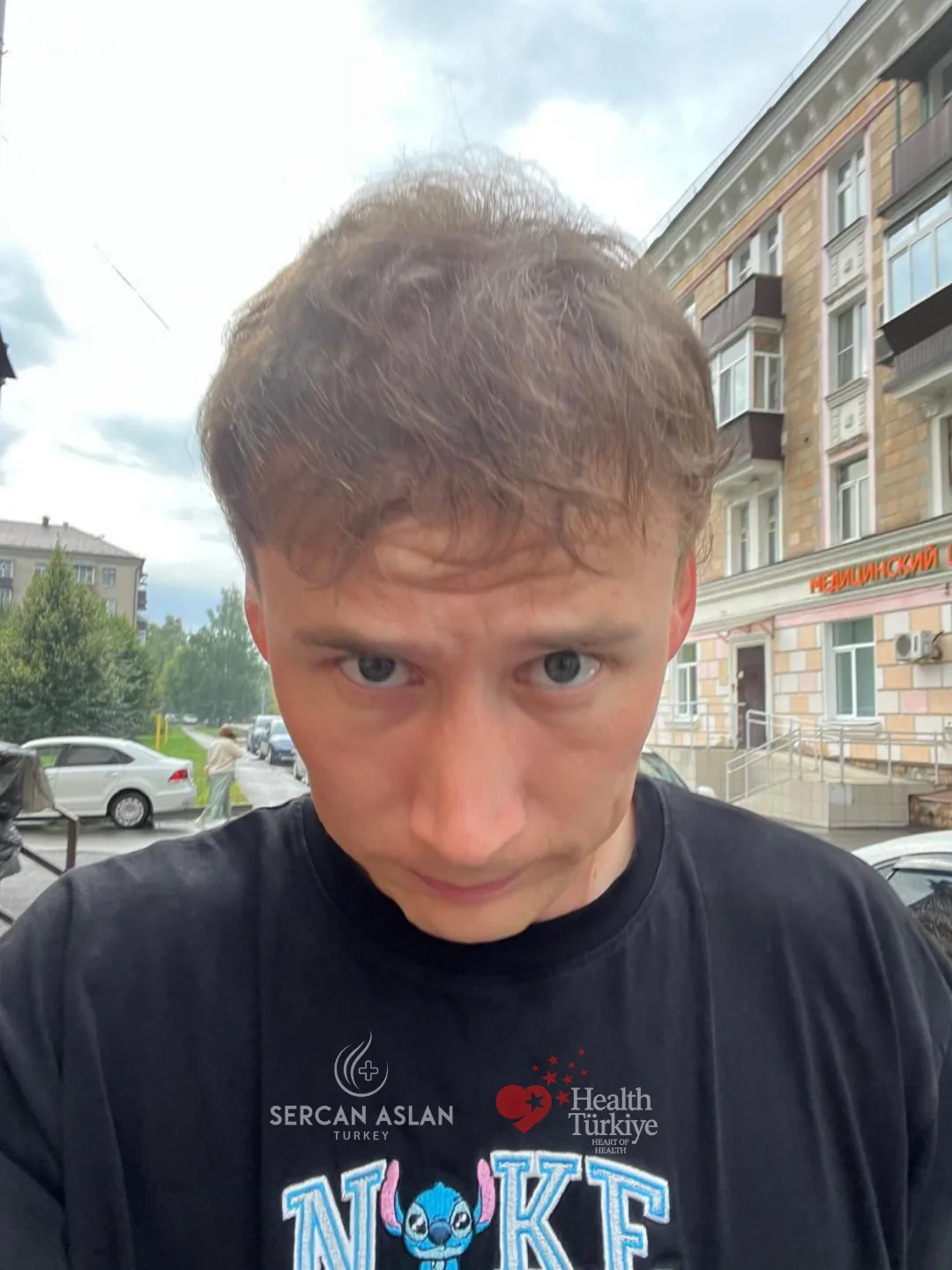 After
After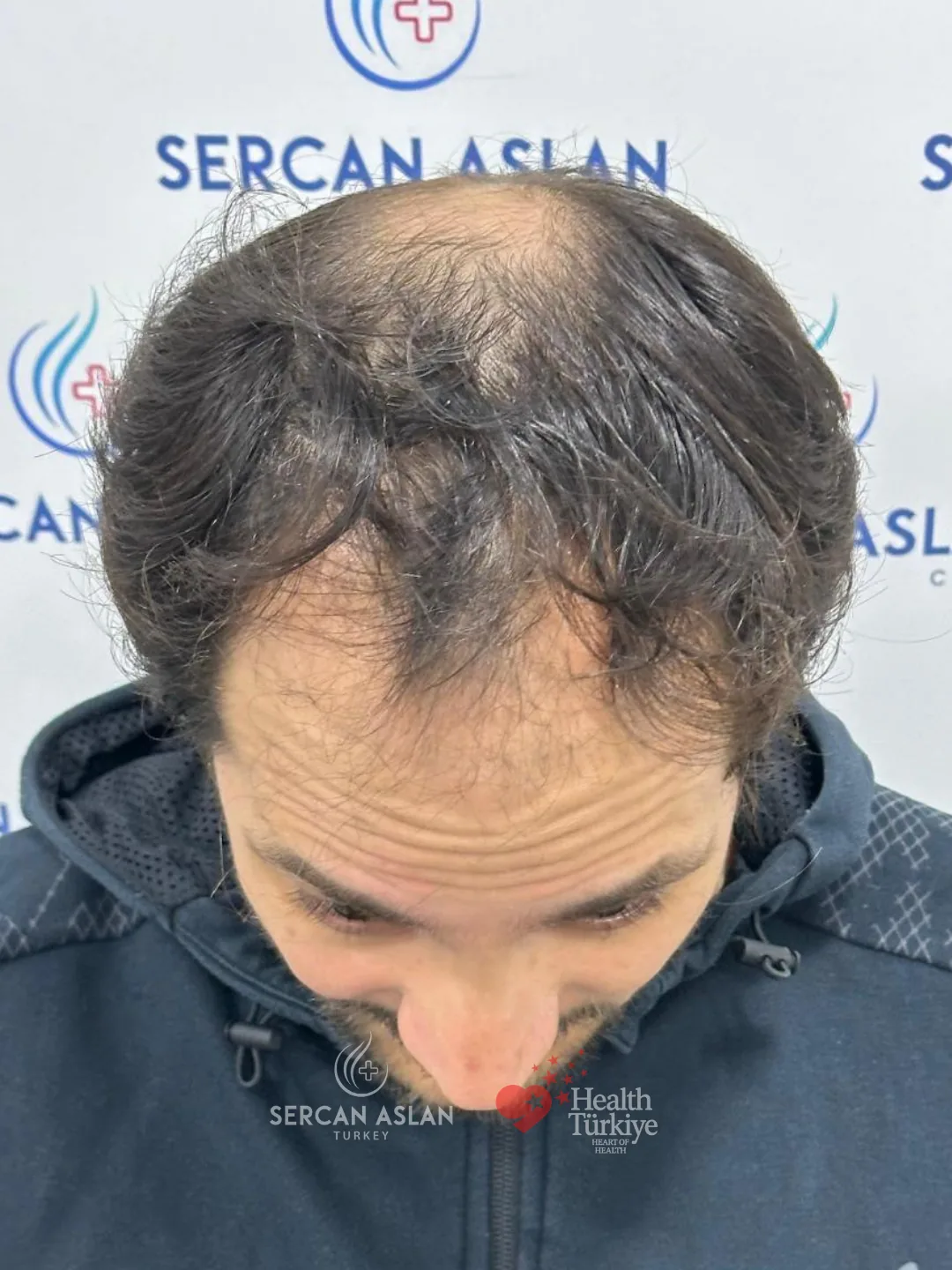 Before
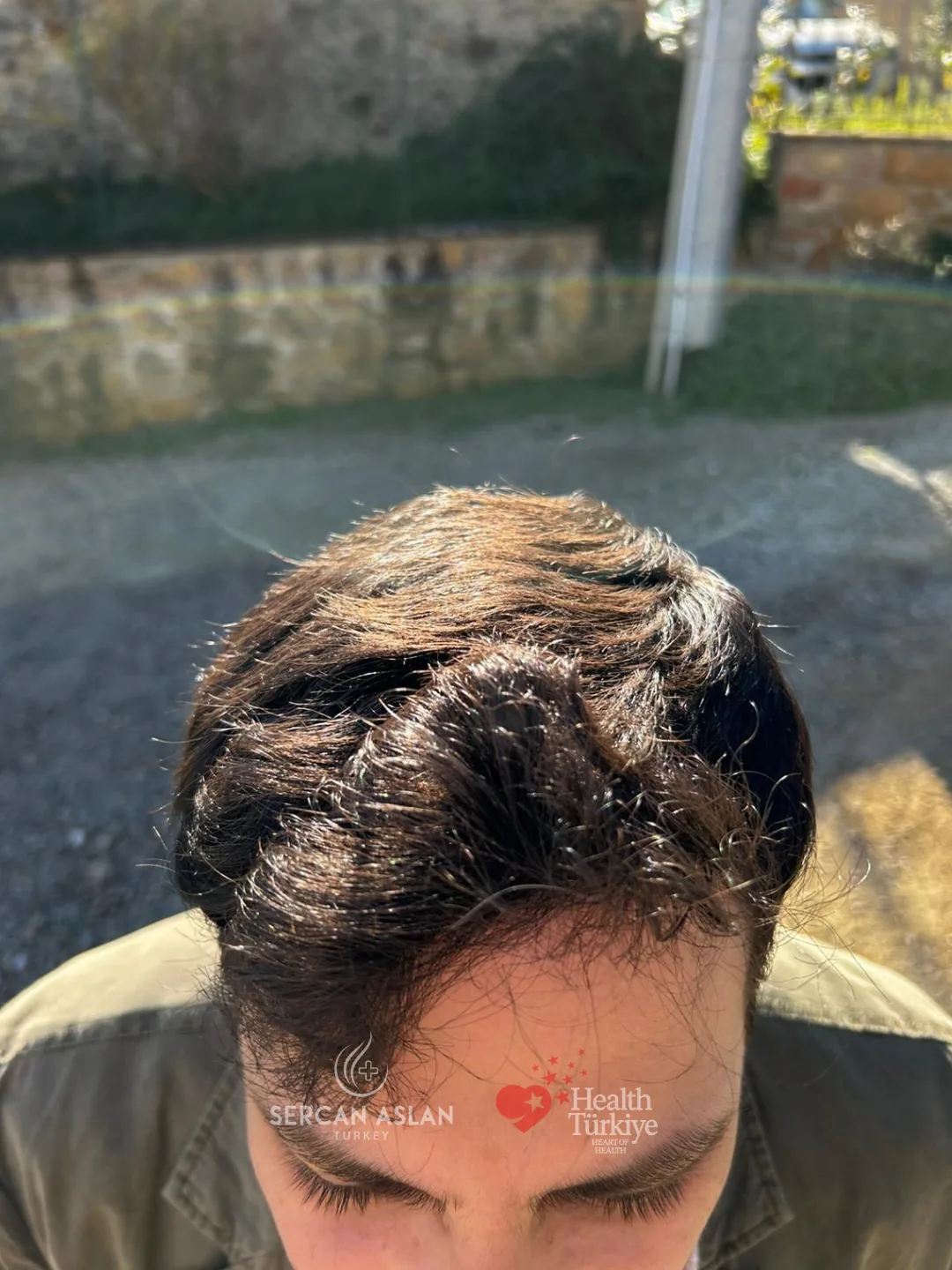 After
After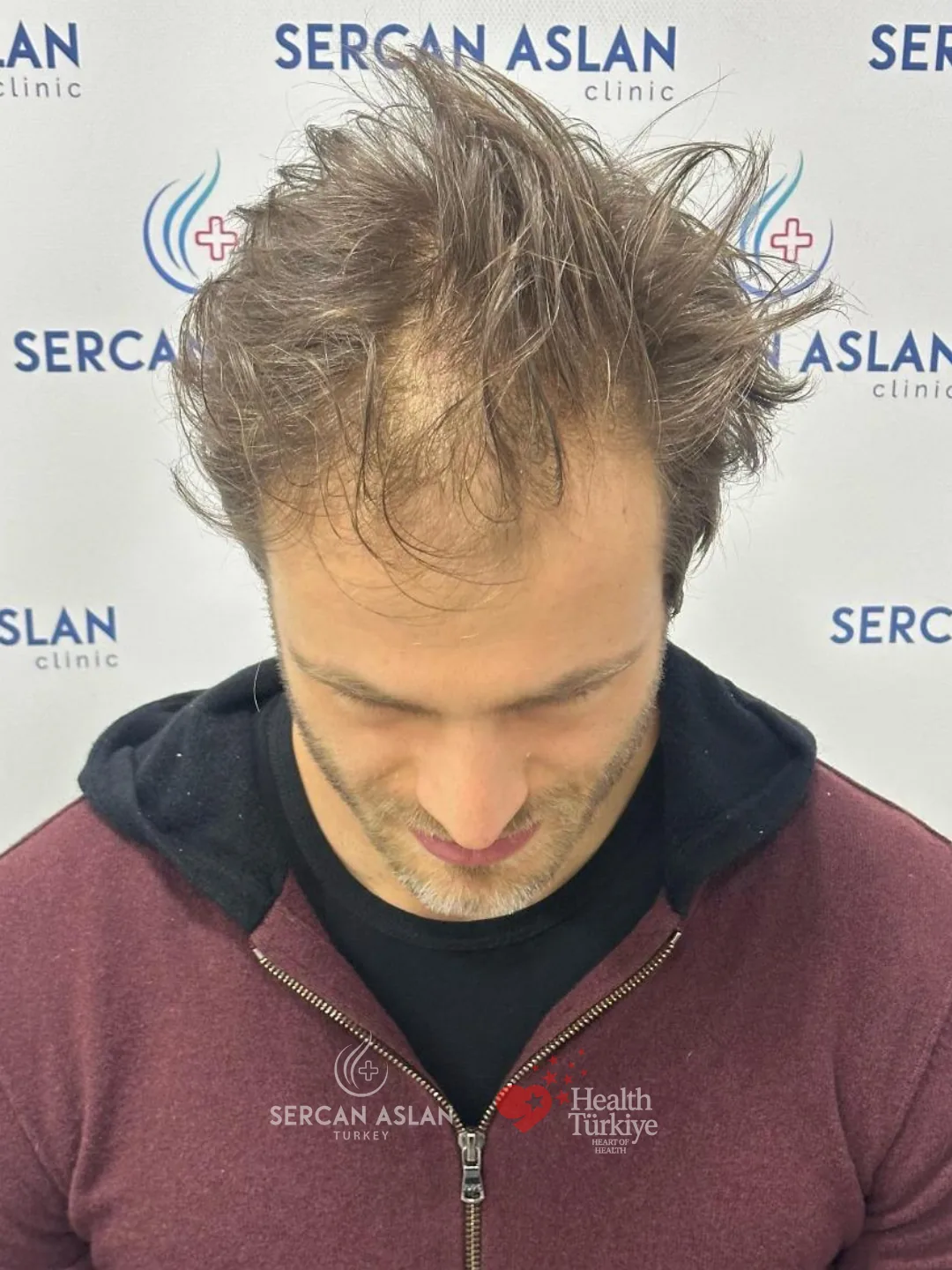 Before
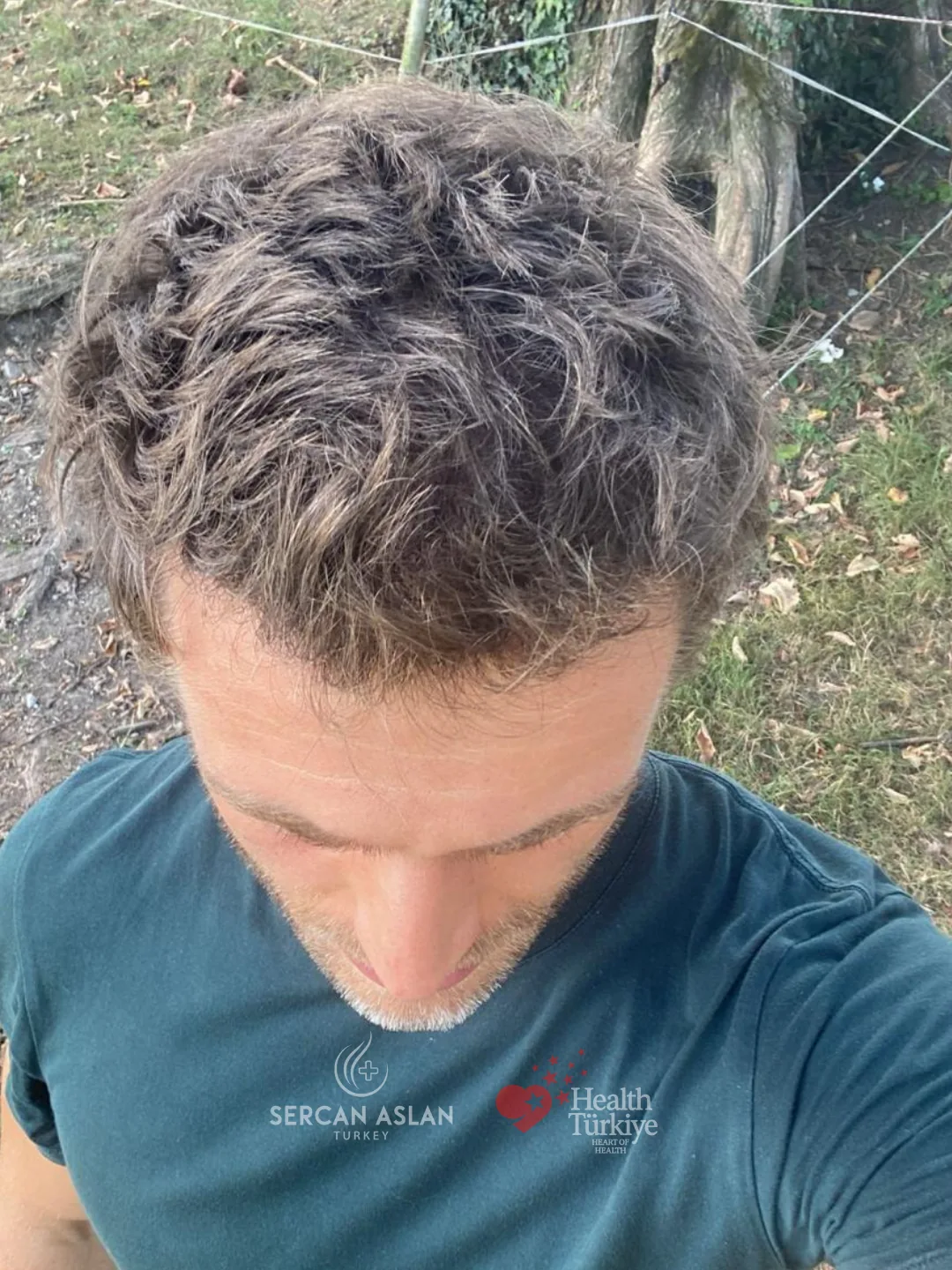 After
After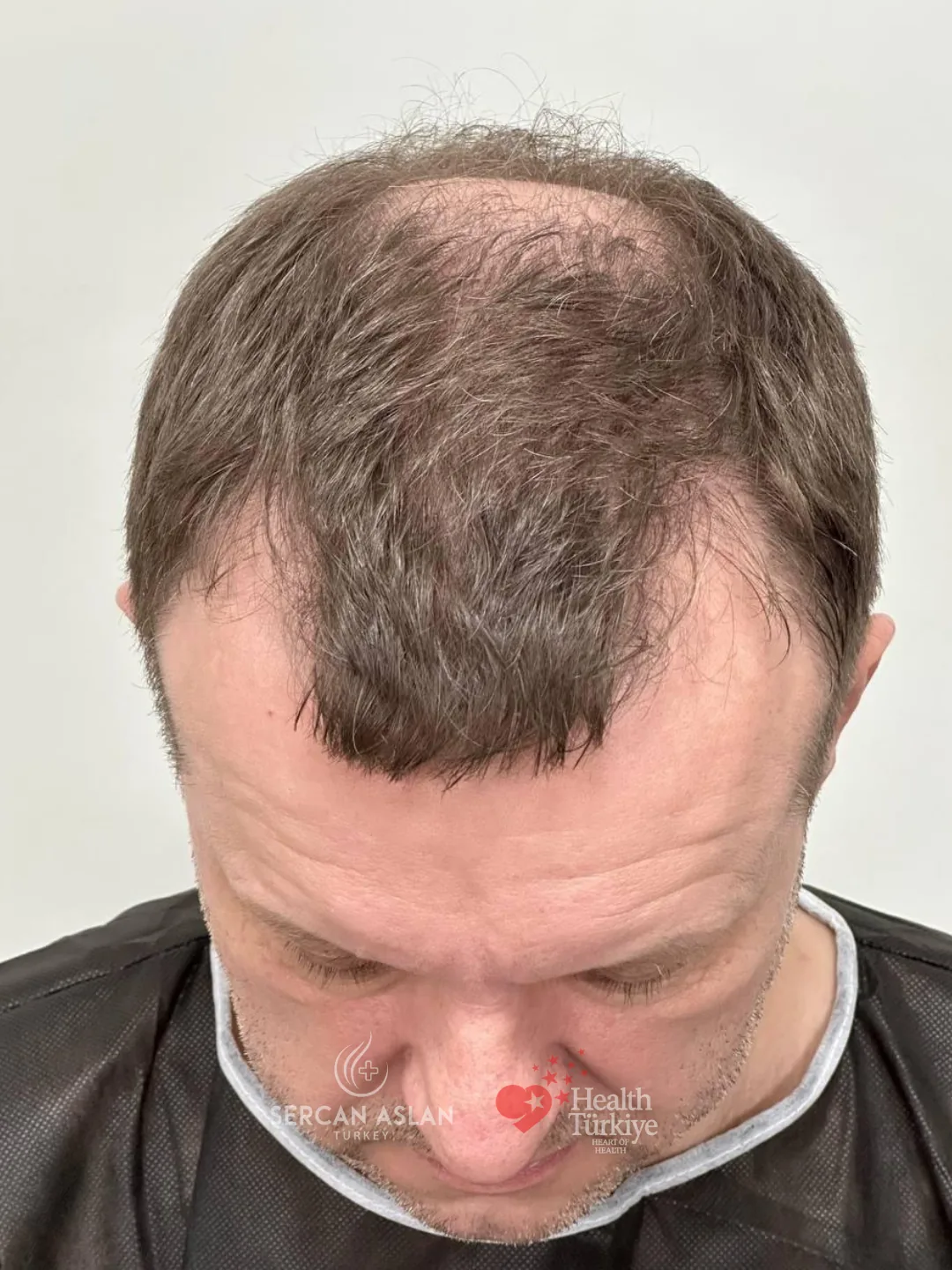 Before
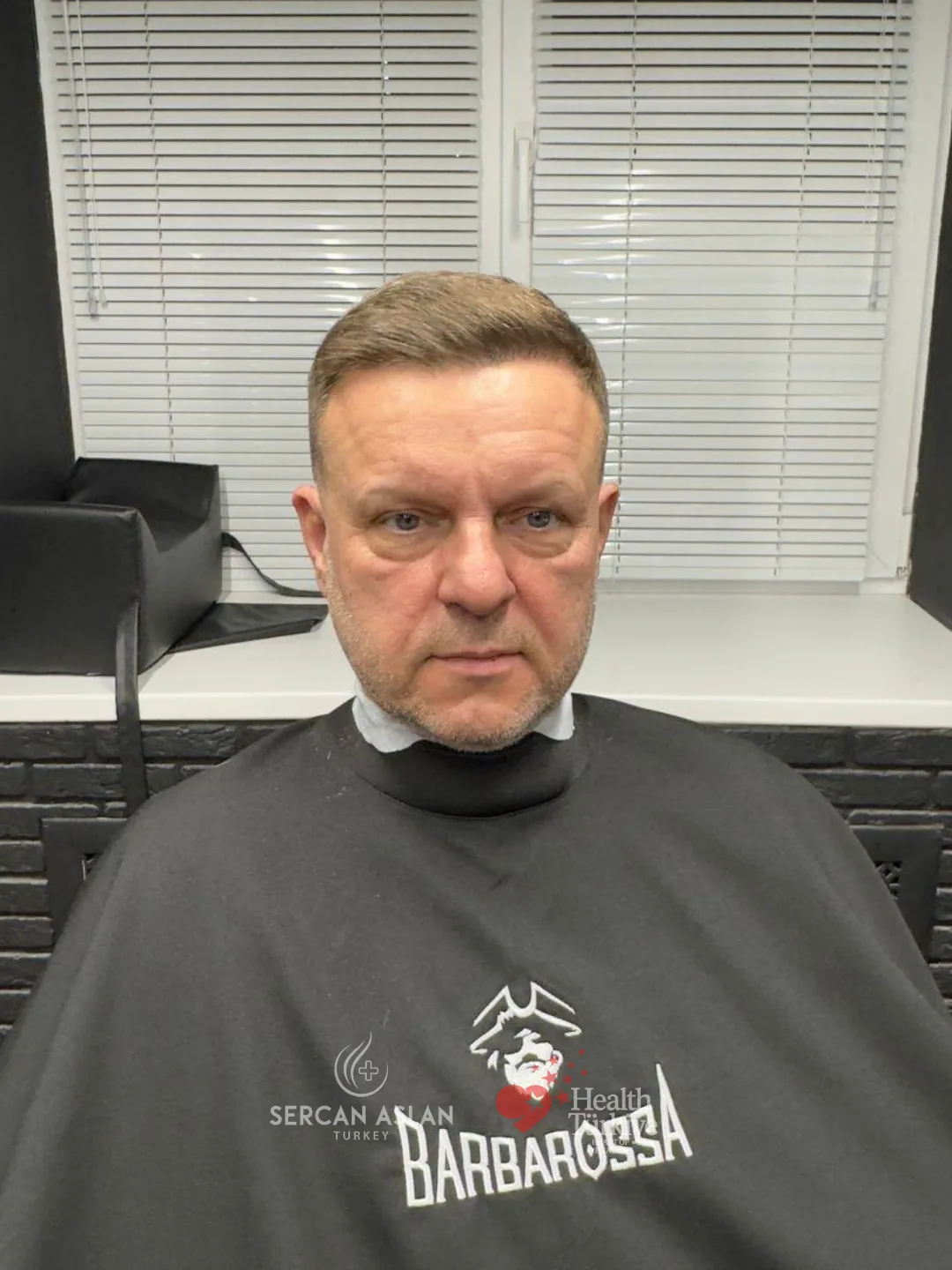 After
After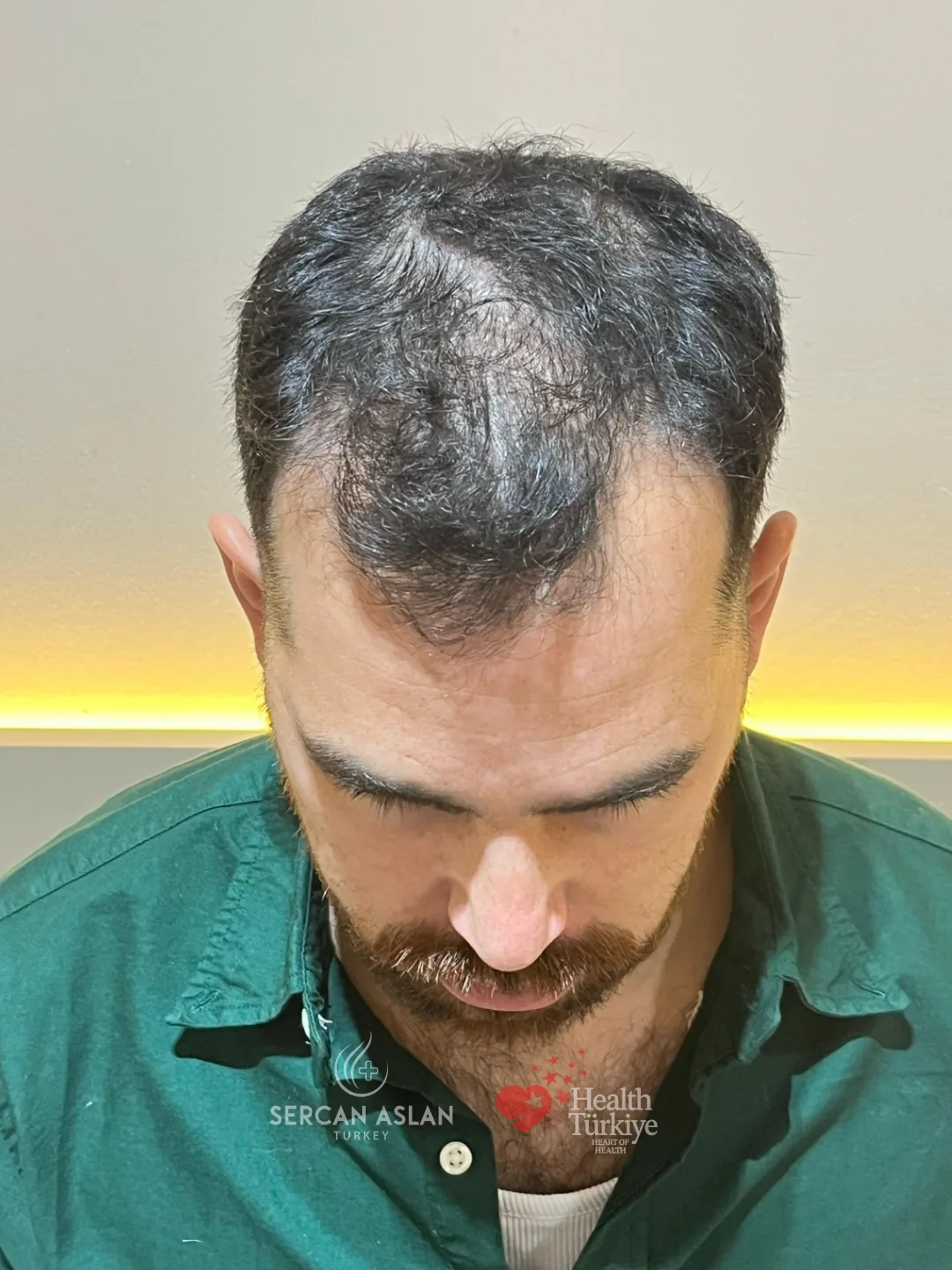 Before
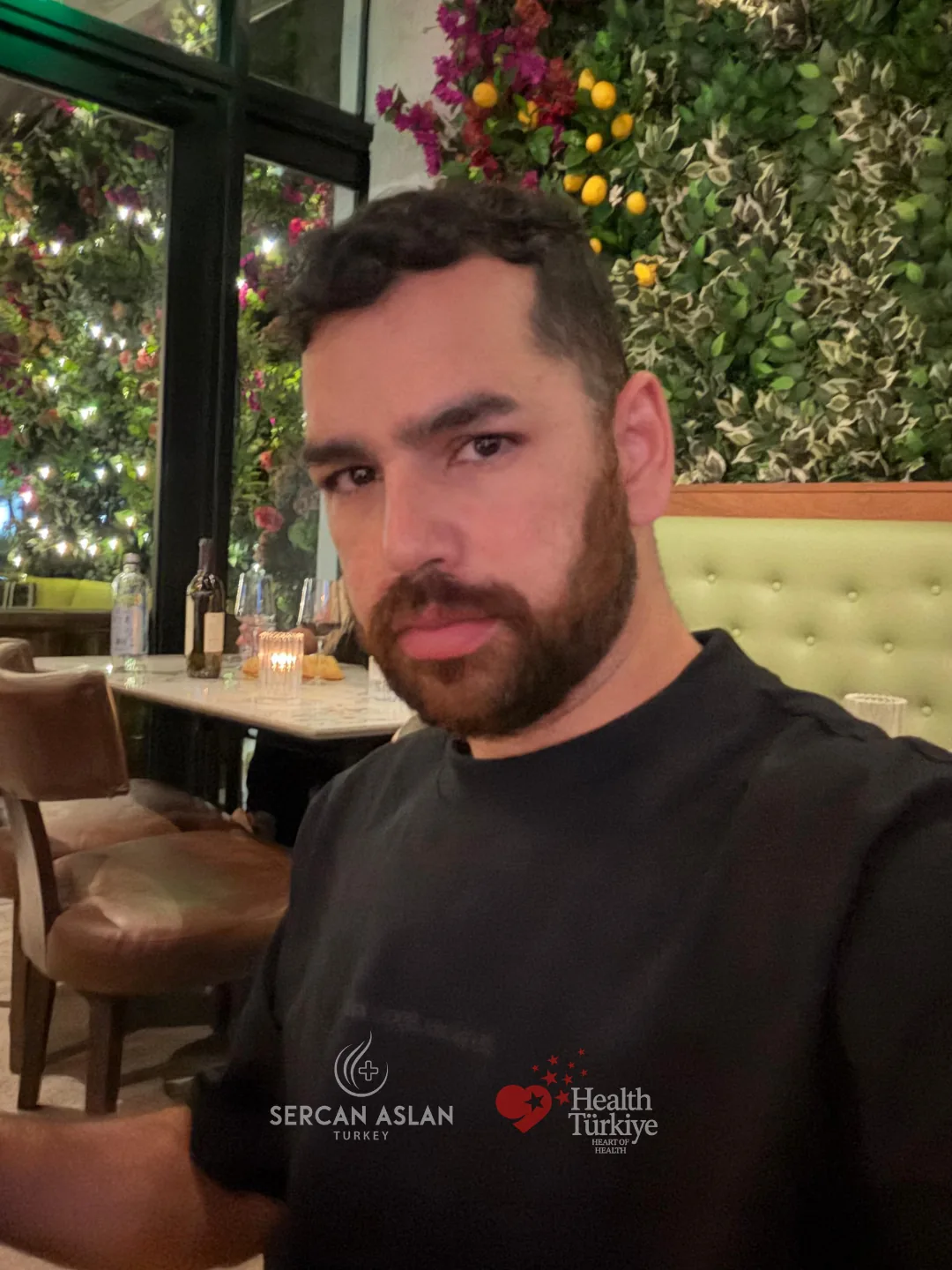 After
After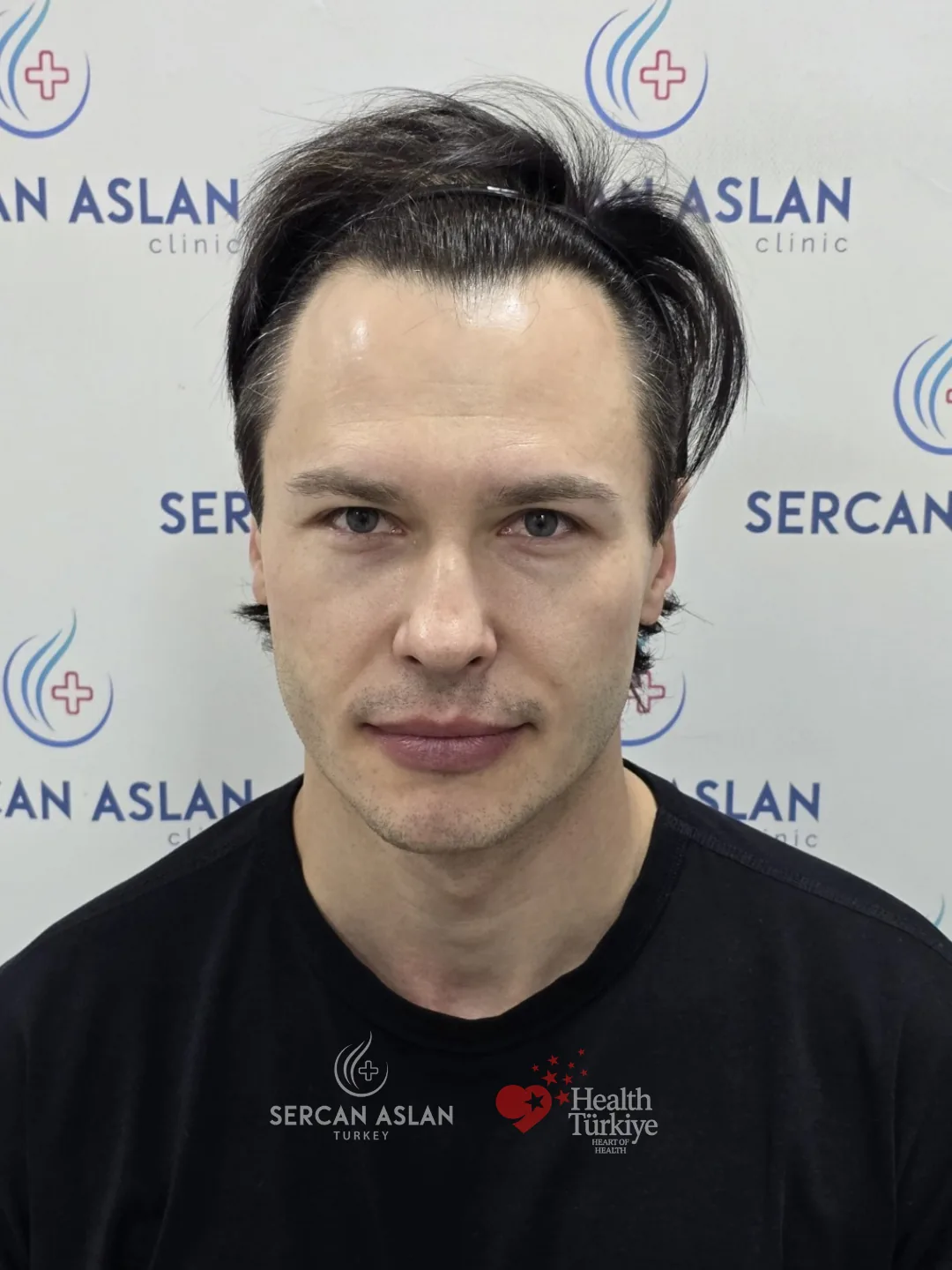 Before
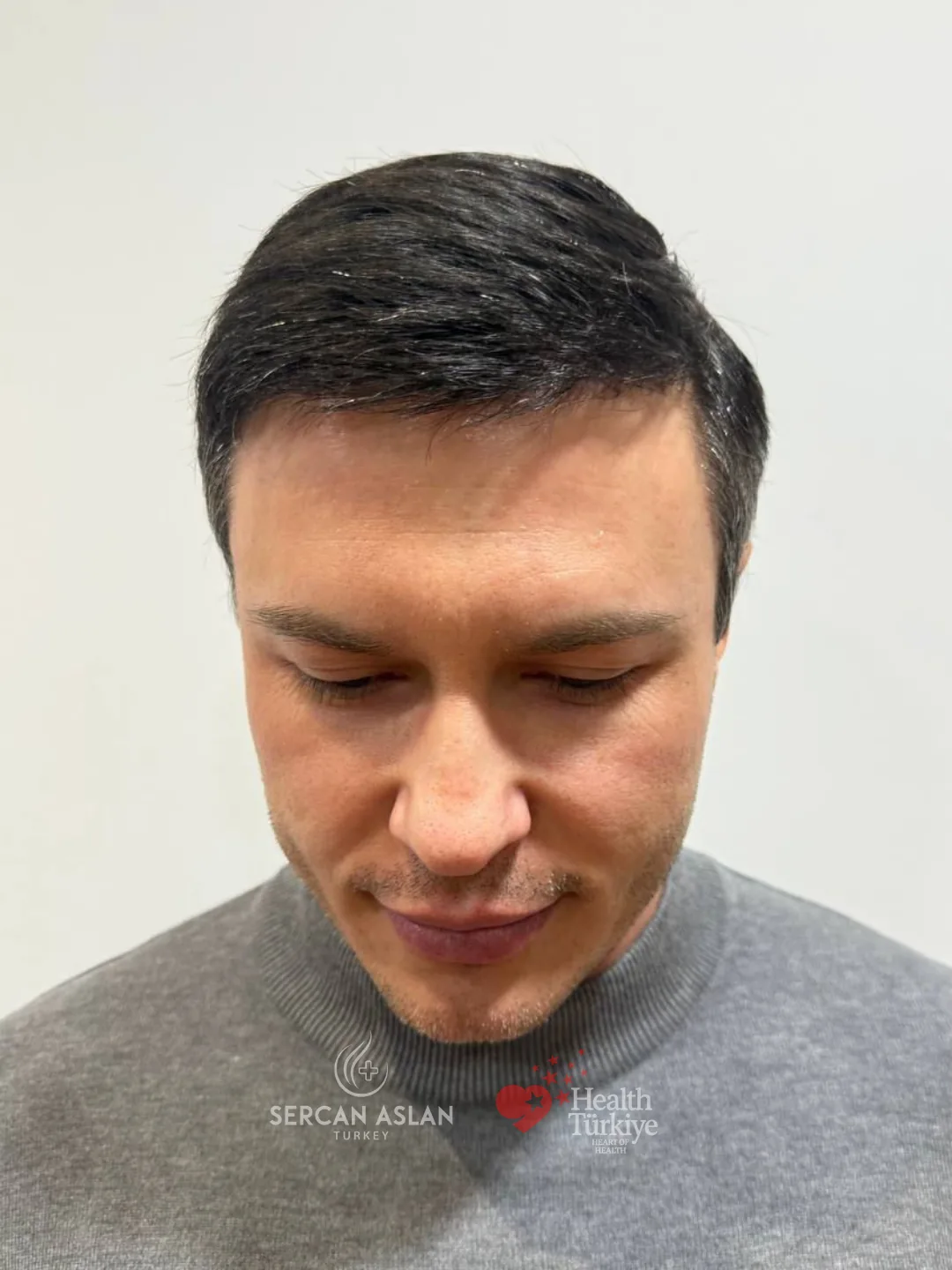 After
After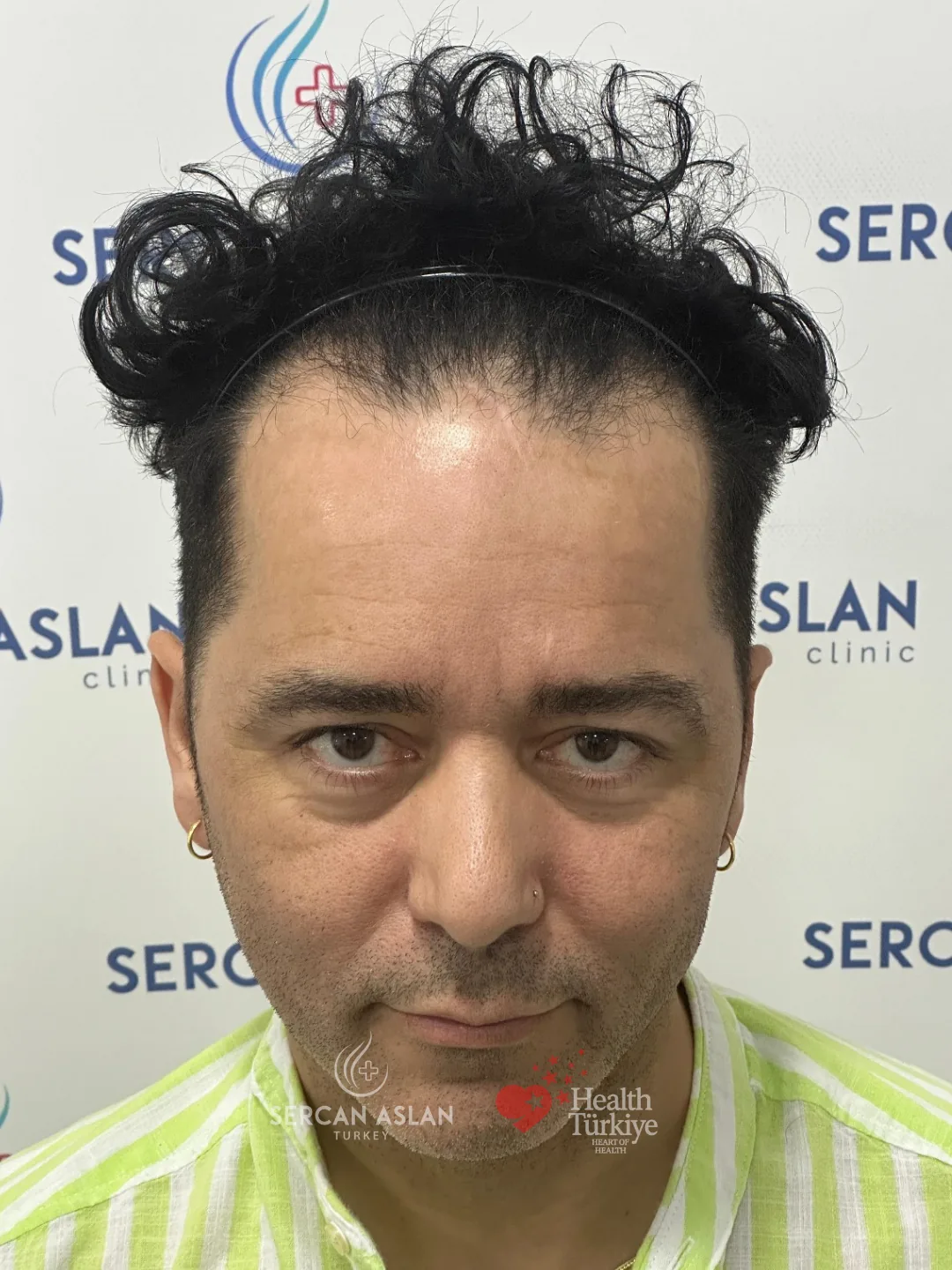 Before
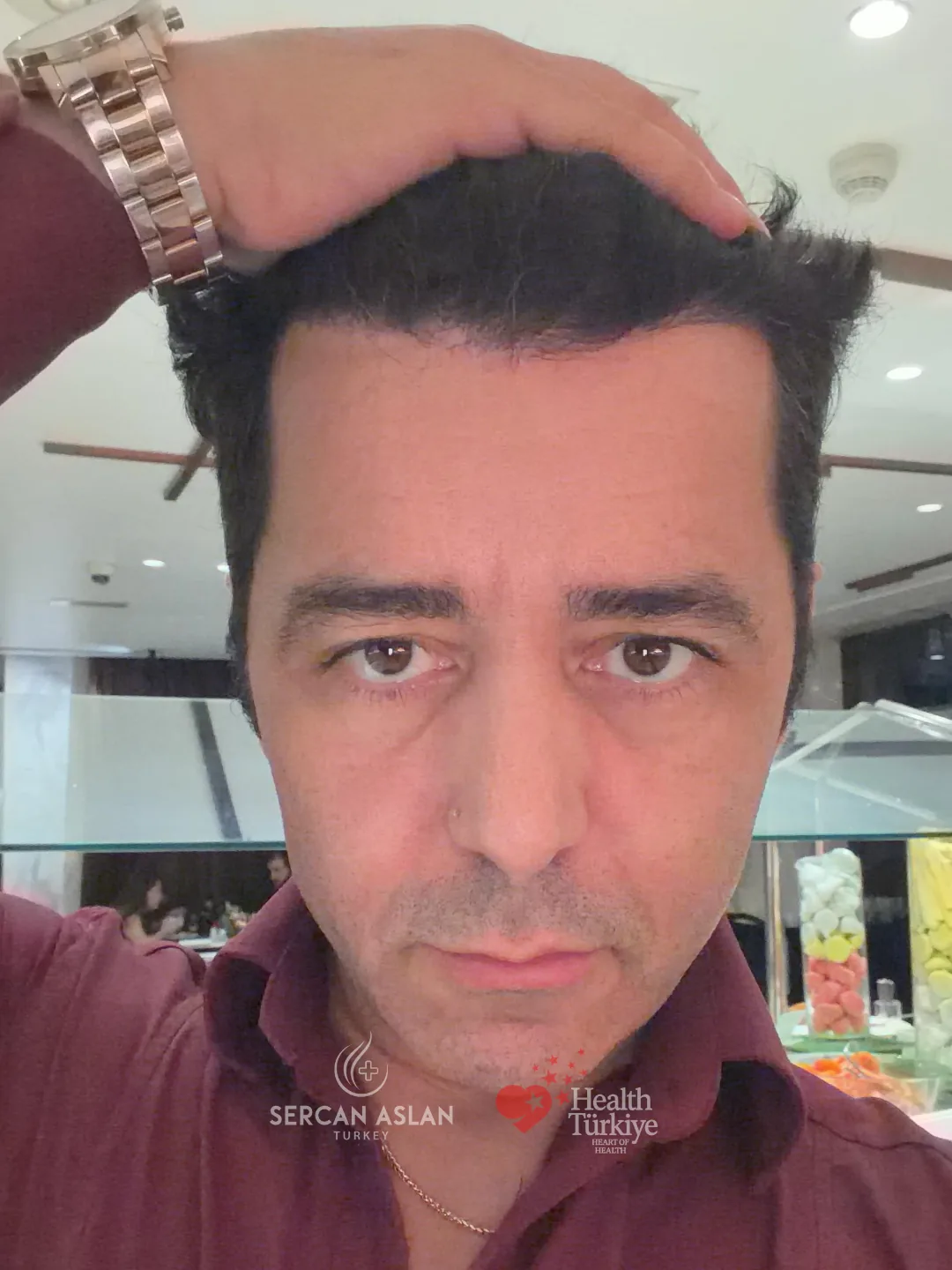 After
After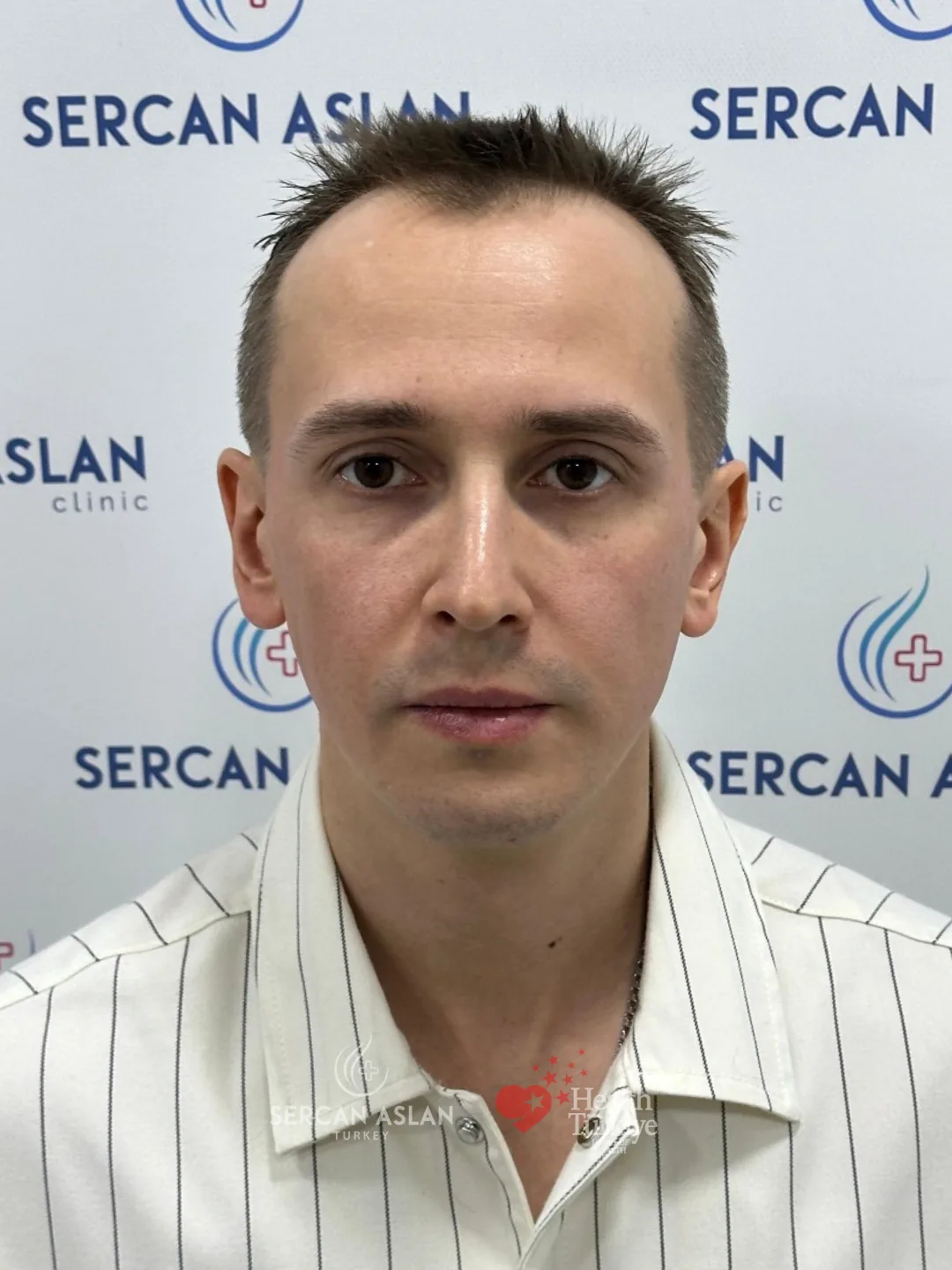 Before
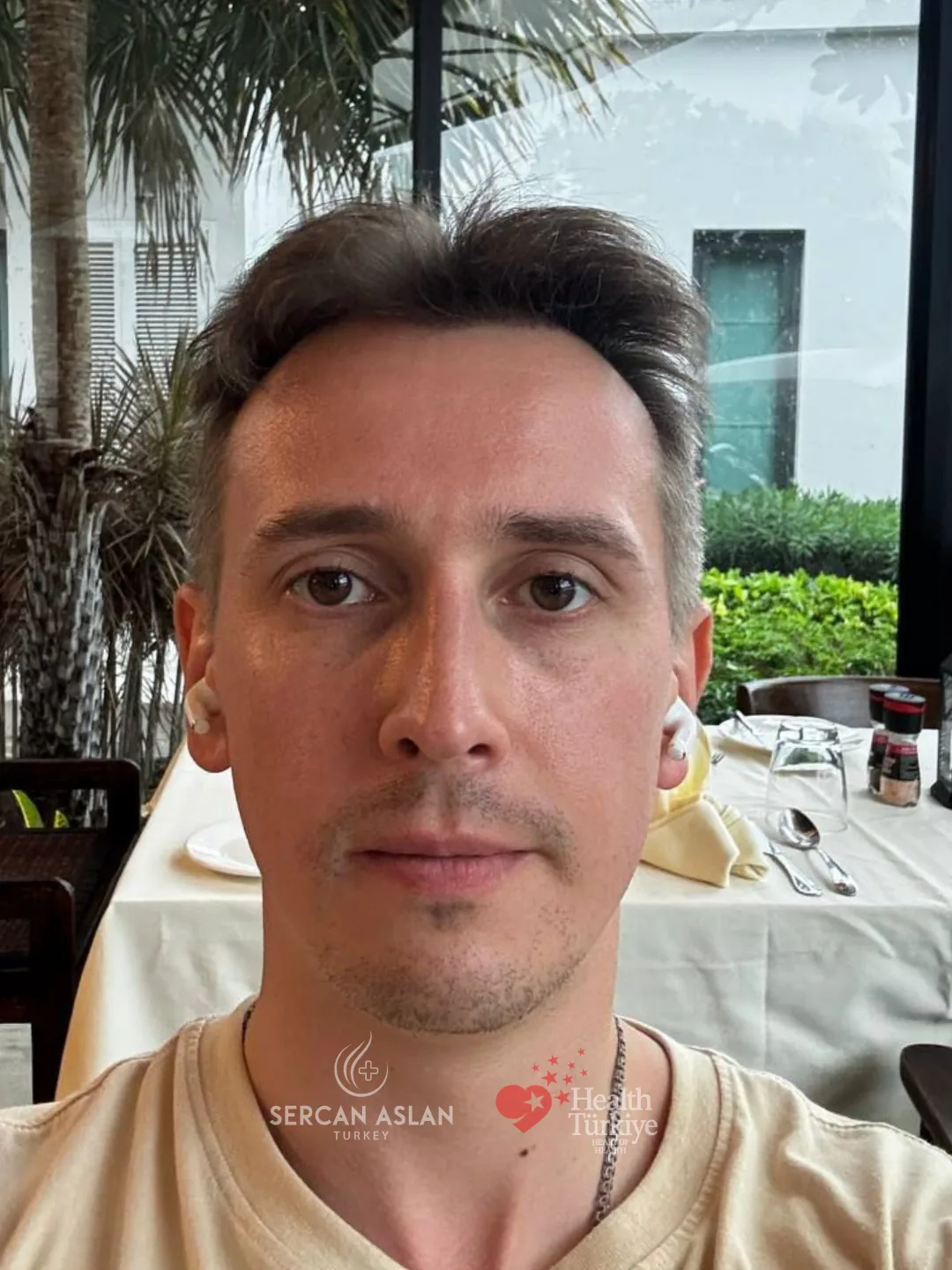 After
After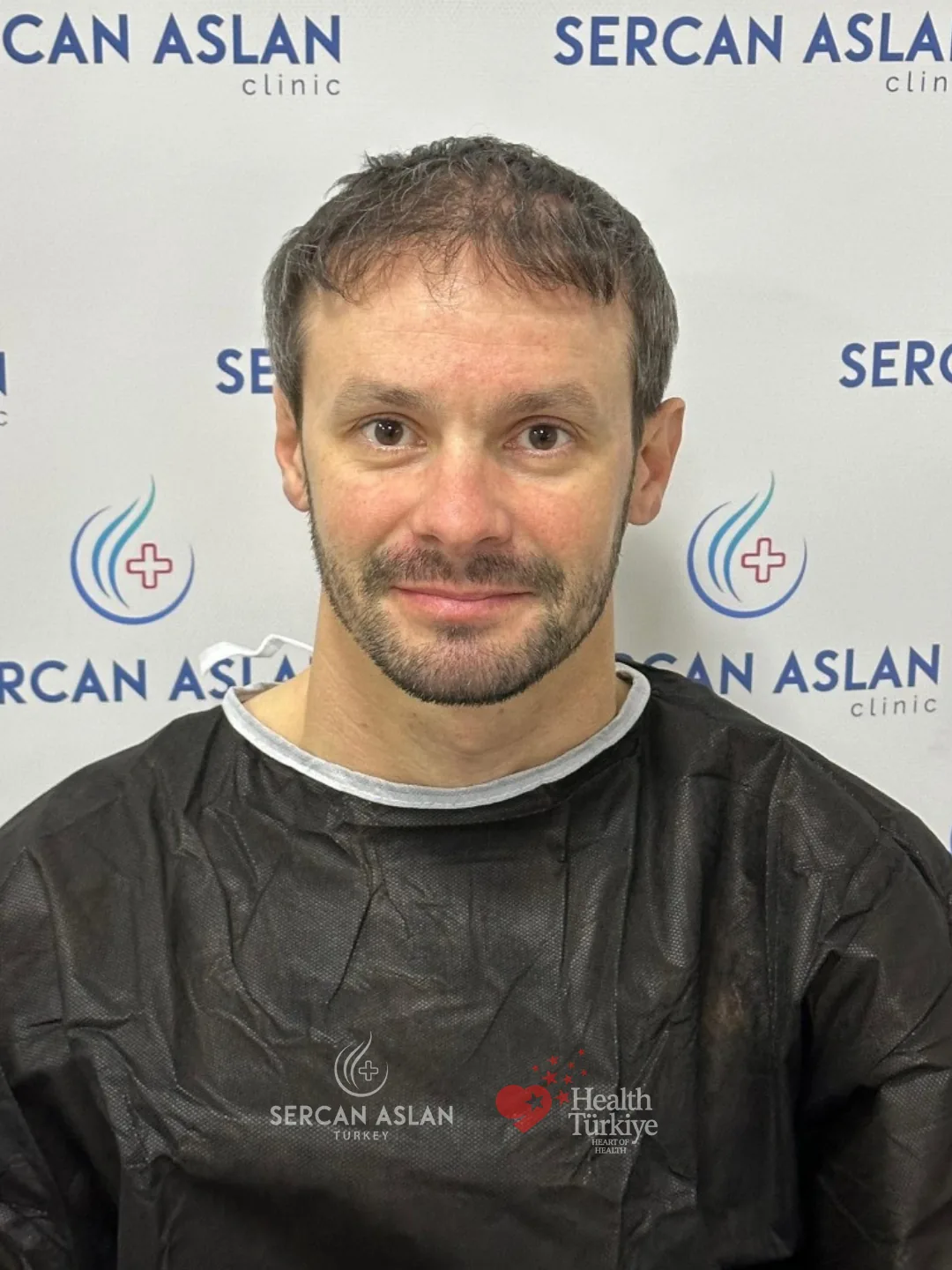 Before
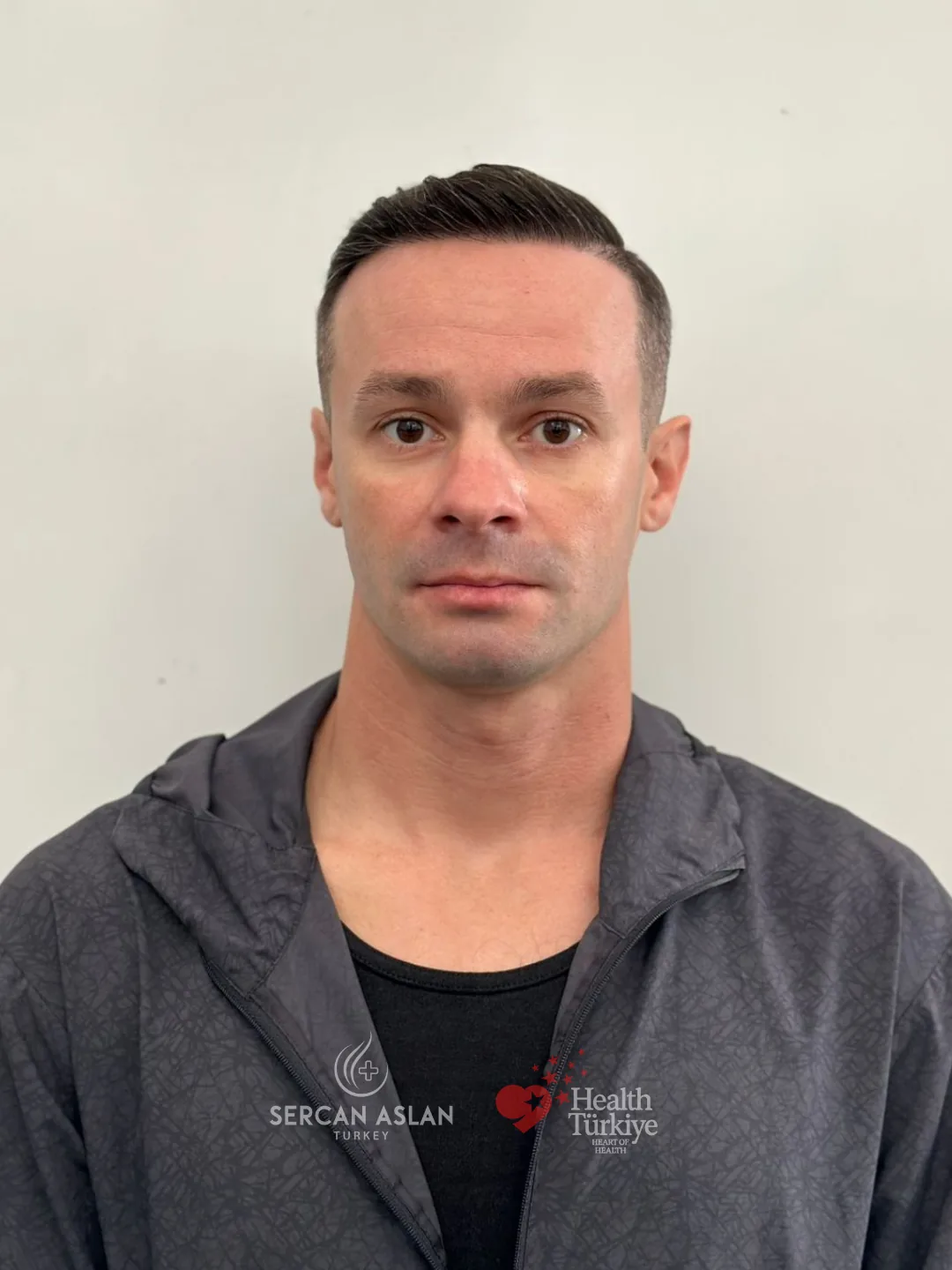 After
After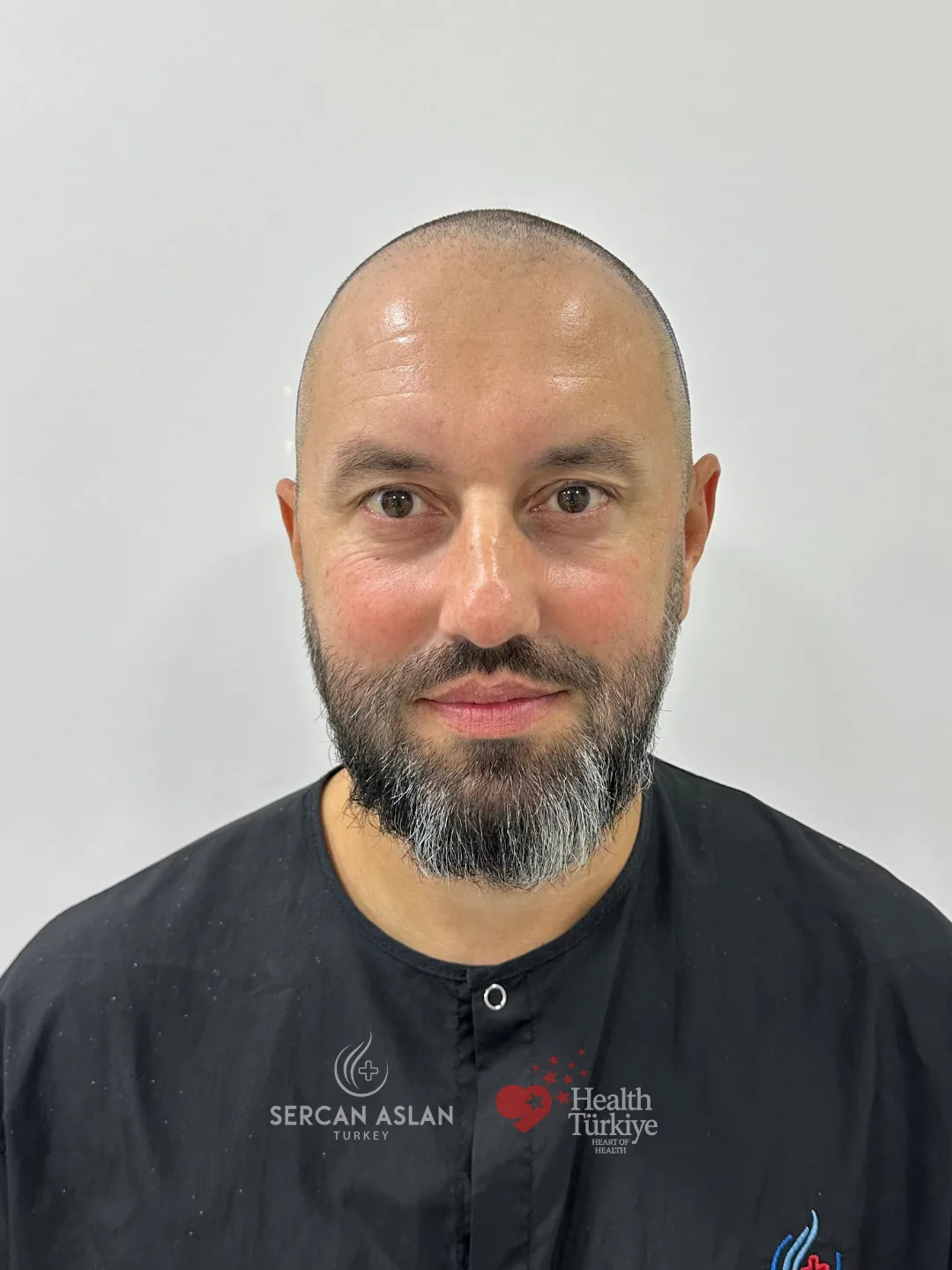 Before
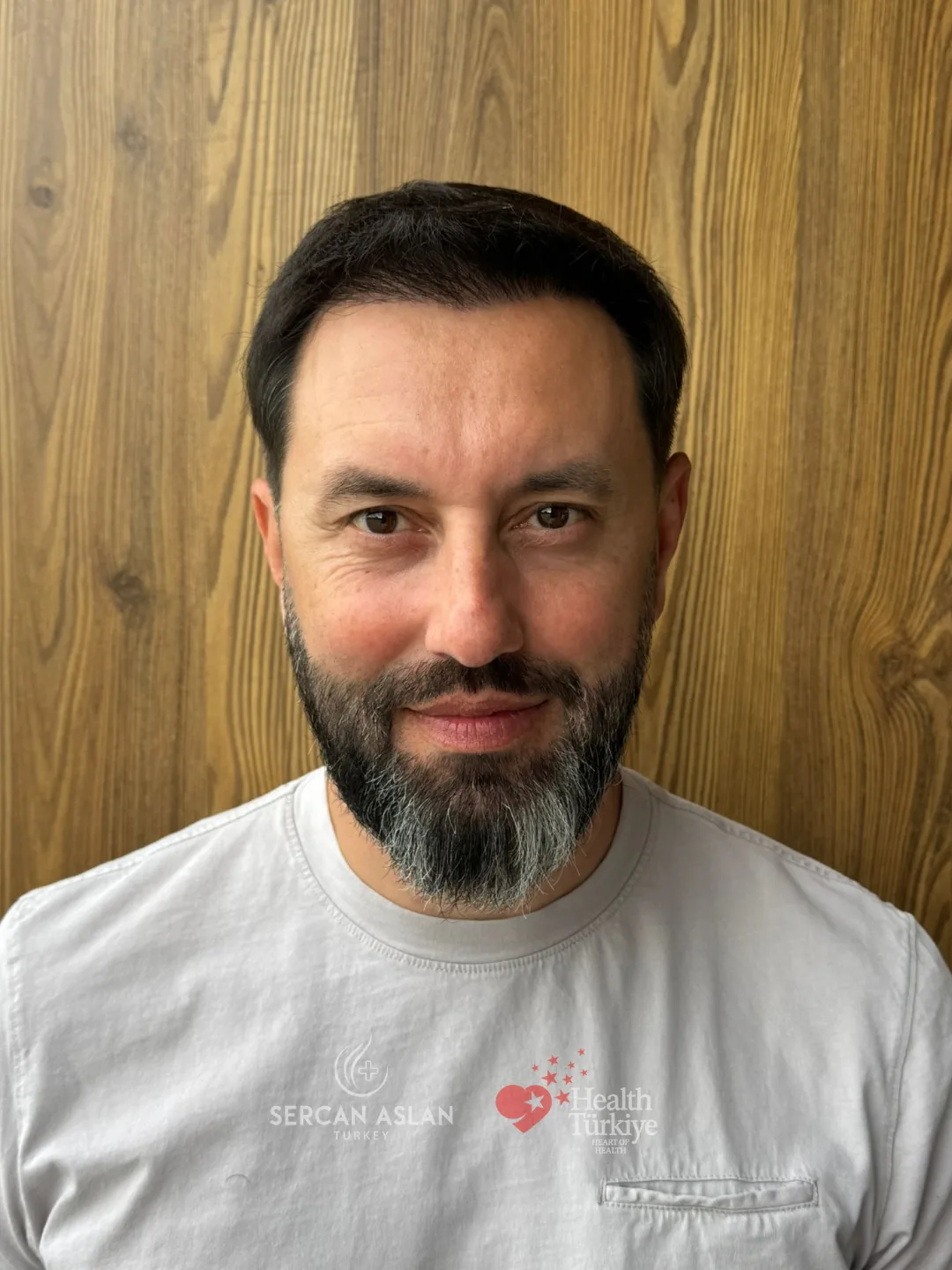 After
After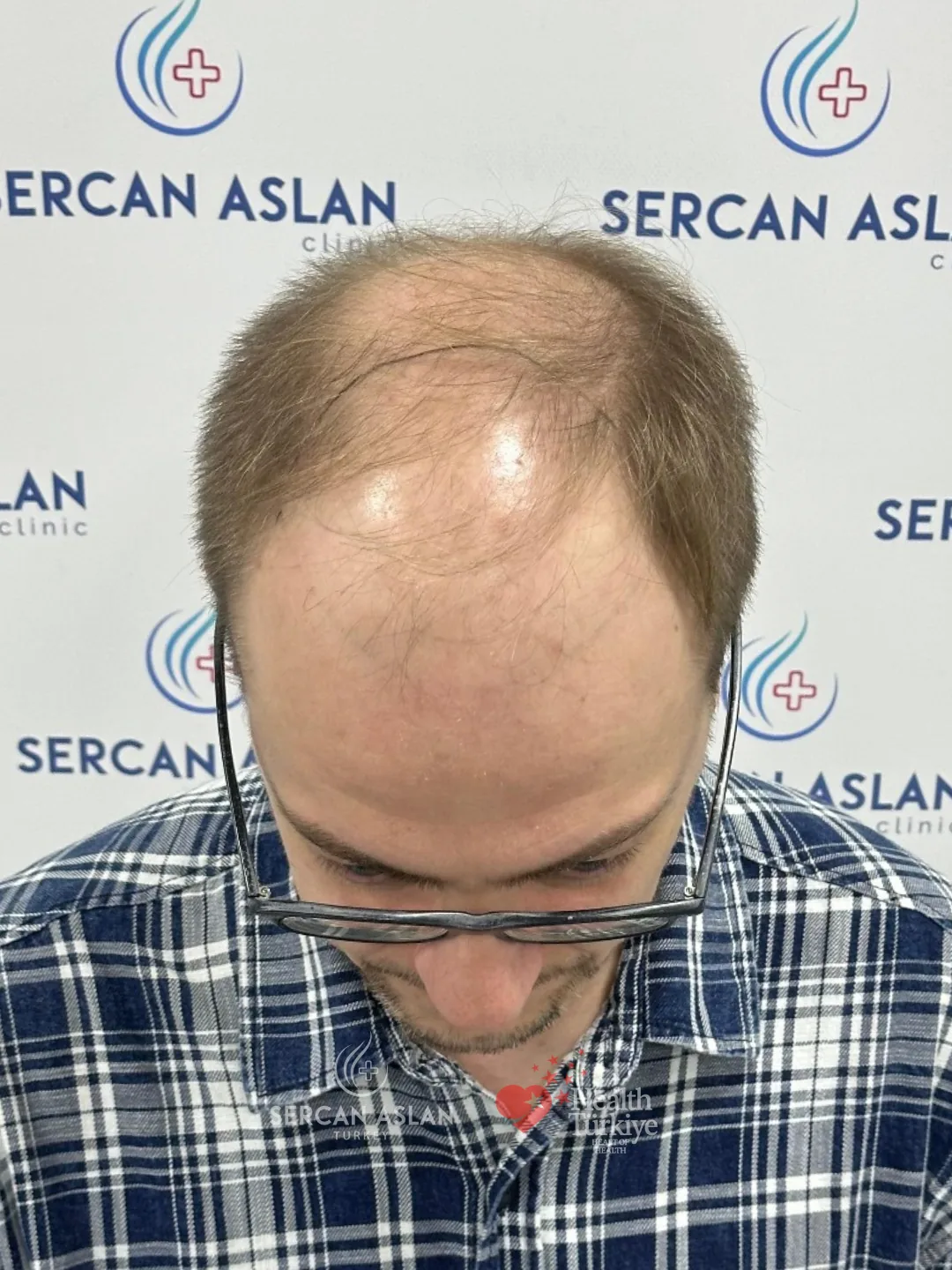 Before
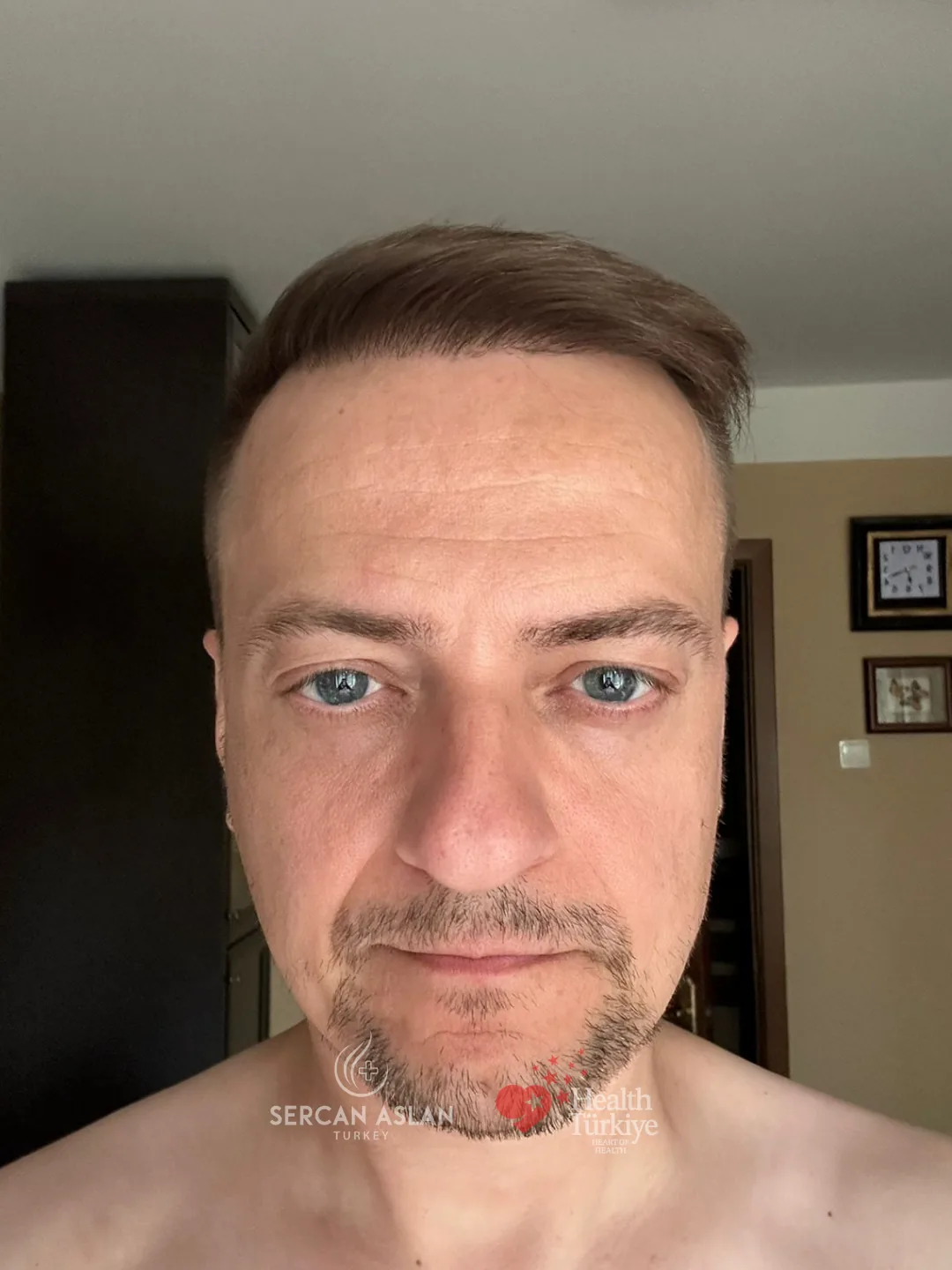 After
After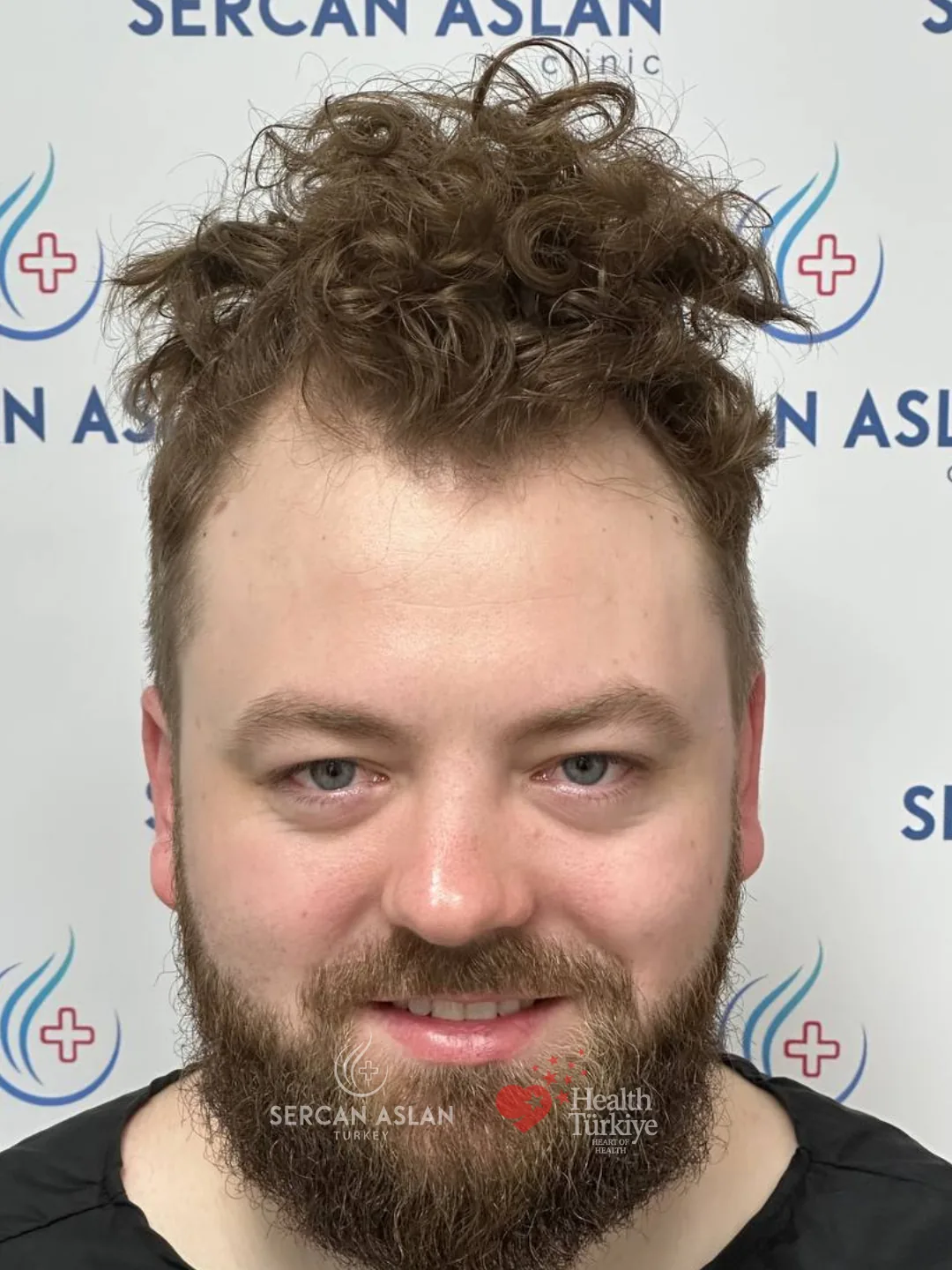 Before
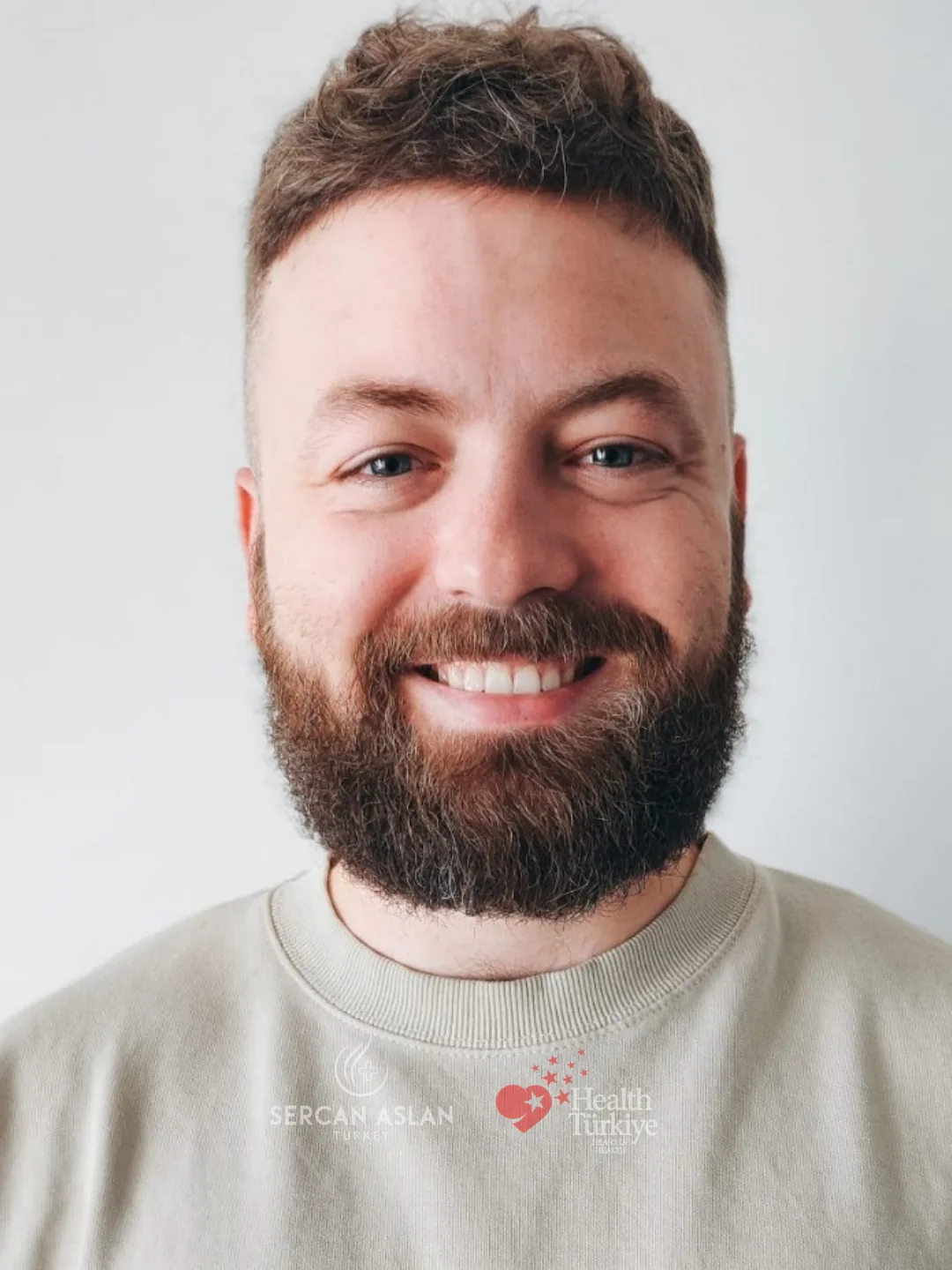 After
AfterThese are photos of our own patients, shared with their consent. Some photos may have been taken by the patients themselves, so light and angle can differ. Results vary from person to person.
From the procedure day to the final result
Hair growth is a 12-month process, and it includes a normal shedding phase that surprises people who weren't told. Here is the honest timeline.
- Day 0
Implantation day
6-8 hours, single session, local anaesthesia. Hairline agreed, donor extracted, grafts placed. Home or hotel the same evening.
- Day 1
First wash & fly home
A guided first wash at the clinic the next day, then you fly home. Crusts clear over the first week.
- Weeks 2-4
Shedding: this is normal
Transplanted hairs shed while the follicles stay safely in place. Expected, and temporary.
- Month 3
New growth begins
Fine new hairs emerge across the recipient area and begin to thicken.
- Month 6
Clear progress
Coverage and density are clearly visible; you can style normally again.
- Month 12
Result review
The result usually settles around now; timing varies from person to person. We review your result remotely at 6 and 12 months.
Ready for an exact plan built from your own photos?
Free AnalysisFrom your first message to your 12-month follow-up: here's how it works
Travelling from abroad is a big decision, so we plan every step. You just arrive, we handle the rest. Here's exactly what happens, from first contact to the end:
- 01
First contact & free analysis
You start with the free analysis or on WhatsApp. A few photos and a few questions so we understand your donor area and your goals. Confidential and consent-based.
- 02
Online consultation & personal plan
Our team reviews your photos and prepares a realistic plan plus honest feedback on suitability. If you're not a good candidate, we'll tell you plainly.
- 03
Dates & travel plan
We agree a date that suits you and plan accommodation, transfers and the schedule end to end. You get the whole plan in writing.
- 04
VIP welcome in Istanbul
You're met at the airport with a private transfer and settled into your hotel. We're with you from the moment you land; your host handles everything.
- 05
Procedure day
Final examination, hairline approval and the procedure: in a sterile setting, over one comfortable day. Our surgeon approves your hairline and does or supervises the critical steps.
- 06
Discharge & first care
Guided first wash, your medication and aftercare kit. We show you each step, and you can reach us through the first night.
- 07
Home & remote follow-up
Scheduled check-ins after you're home: at month 6 and 12 we review your progress together from your photos.
- 08
Lifetime aftercare consultancy
The relationship doesn't end after the 12-month follow-up. You can reach our team with questions; aftercare consultancy continues for life.
One plan, everything from start to finish
There's nothing to arrange piece by piece except getting here. Everything that covers your trip, from start to finish, is part of your plan.
Procedure & anaesthesia
The DHI procedure, local anaesthesia and all required medication.
Hotel accommodation
Comfortable hotel accommodation; 2 nights are included in your package.
Private VIP transfers
All private transfers between airport, hotel and clinic.
Interpreter & host
An interpreter and host at your side at every clinical step in Istanbul.
Aftercare kit & medication
An aftercare kit to take home and the medication you need to heal.
12-month follow-up & aftercare advice
12 months of remote growth follow-up, then lifetime aftercare consultancy.
Start your hair analysis in seconds
Pick your gender and the hair-loss pattern closest to you; we'll continue with your personal pre-analysis from there.
Closest to the Norwood pattern
Your result is determined by our standard, not by who's in the room
A good result shouldn't depend on catching one talented surgeon on a good day. So nothing about your process is left to flair or chance. Every parameter is written into a documented standard: the angles, the density, how grafts are handled, sterilisation, aftercare. A coordinated team executes it; the standard is what makes it repeatable. That is what makes a good outcome consistent, patient after patient.
Hairline & angle protocol
Every graft follows the angle and direction set in your design; this is the biggest factor in a natural look. Nothing is improvised at the chair.
Graft-survival protocol
Strict, written limits on time out of the body, holding solution and handling are followed every time; this protects how many grafts actually grow.
Density & distribution rules
Documented density zones (fuller at the front, softer toward the crown) keep coverage looking like nature, never a uniform wall.
Aftercare & follow-up protocol
The same guided washing, medication and 6- and 12-month reviews apply to every patient; the result is protected long after you fly home.
Governed by our written protocol
Consistency shouldn't depend on one person's day, mood or schedule. Every procedure follows the same written protocol: sterilisation, graft handling, angle and density, aftercare. All of it is audited and signed off. That way every patient's procedure follows the same plan.
- A written protocol for every step; audited each procedure
- The same standard whoever is on the team
- Sterile, single-use instruments per patient
- A surgeon signs off every hairline design
Questions on your mind
DHI or FUE: which is right for me?
DHI suits dense, natural front work and often needs no shaving; FUE can be more efficient for very large areas in one session. The honest answer depends on your donor and pattern; your free assessment recommends one and explains why.
Does it hurt?
The procedure is done under local anaesthesia; you are awake, and the aim is that you feel no pain during the work. Most discomfort comes from the anaesthetic injections at the start; if your doctor finds it suitable, needle-free jet numbing can reduce this. Mild tenderness for a few days afterwards is normal.
How long do I stay in Istanbul?
Usually 2 nights: arrival and consultation, the procedure day, then the guided first wash at the clinic the next day before you fly home. Your package includes 2 hotel nights.
Is the result permanent?
Transplanted follicles come from a genetically resistant donor area, so they usually keep growing for many years. Existing non-transplanted hair can still thin with age, which we factor into the plan.
When will I see the result?
There is a normal shedding phase at weeks 2-4. New growth starts around month 3, becomes clearly visible by month 6, and the result usually settles around month 12; timing varies from person to person.
Will it look obvious / 'planted'?
That comes down to angle, density distribution and hairline design, not graft count. An age-appropriate, slightly irregular hairline placed at natural angles is what keeps it undetectable.
Have a question? Ask a doctor directly
Not a salesperson, not a chatbot. A hair-restoration doctor reads and answers your question personally. Ask anything about your case, the technique, recovery or the whole journey.
- Answered by a doctor, not a sales rep
- Reply within 24 hours
- Confidential under GDPR / KVKK
Nişantaşı, Istanbul · Türkiye
info@sercanaslanturkey.com