
Sapphire FUE, finer channels with sapphire blades
Sapphire FUE uses fine tips made from sapphire stone instead of steel blades. It opens smaller, smoother channels and is often used for large sessions covering wide areas, usually with less crusting.
- Sterile operating standard
- Reply within 24 hours
What Sapphire FUE is, and how it differs from DHI
Sapphire FUE is a variant of Follicular Unit Extraction (FUE), the core logic is the same as DHI: move your own follicles from a genetically resistant donor area at the back of the head to thinning zones. The difference lies in how the channels for placing the grafts are opened: instead of a steel blade, fine tips made from sapphire stone are used.
Sapphire tips are harder, sharper, and produce a finer channel geometry. In practice, this means smaller, smoother openings compared to classic FUE with steel blades, less crusting, quicker resolution of mild swelling/redness, and more grafts placeable per area of untouched skin.
Why that matters in practice
- Suited to large sessions: when your donor capacity allows, wide areas can be planned in one session, or split into two if needed.
- Less crusting: smaller openings usually let the recipient area settle more quickly.
- High-density capacity, finer channel geometry allows denser placement for a natural-looking hairline.
- Donor efficiency, smaller required channel size means more can be drawn from the existing donor.
Honest note: Sapphire FUE is not the right choice for every case. For frontal-zone work targeting very high density, DHI can give better angle control; with very limited donors, technique selection becomes individual. The free assessment is our written recommendation based on your donor, goals and pattern.
Is Sapphire FUE right for you?
The FUE family (including Sapphire FUE) is often used when a wide area needs coverage. If your donor capacity is sufficient, it suits large sessions; the doctor decides which technique fits you after your assessment.
Sapphire FUE tends to suit you if…
- Your hair loss covers a wide area that needs broad coverage.
- You need a large graft plan (in one session or two, as your donor allows).
- Your donor density is good but no-shave work isn't a must for you.
- Less crusting matters to you.
When something else may fit better: if you only want to design the hairline and frontal zone, DHI provides higher density + no-shave work. If shedding is still active, we may recommend medical stabilisation first so the transplant lasts. The free graft assessment tells you, in writing, which is right for you.
Is it right for you? Find out with a free analysis.
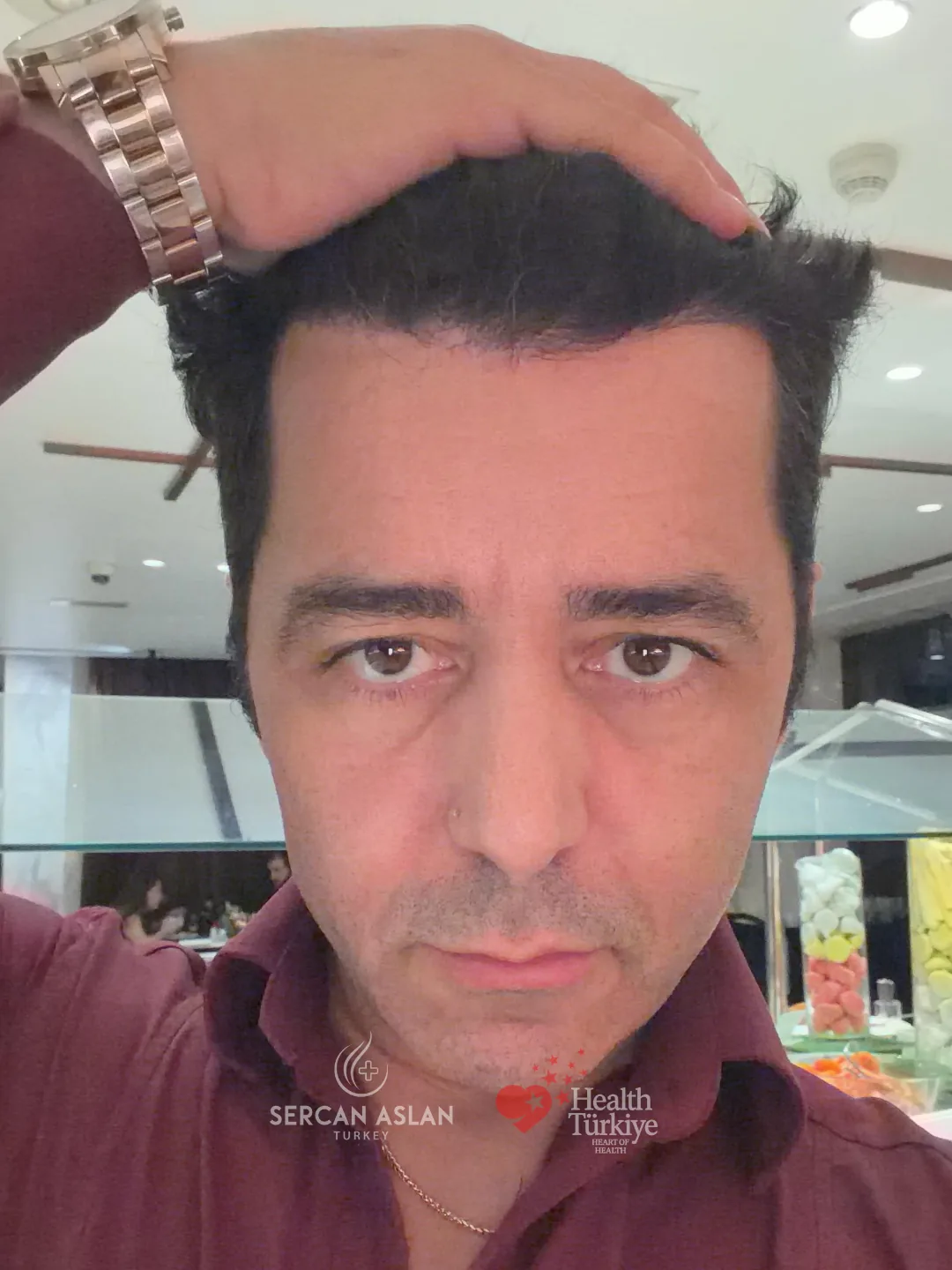
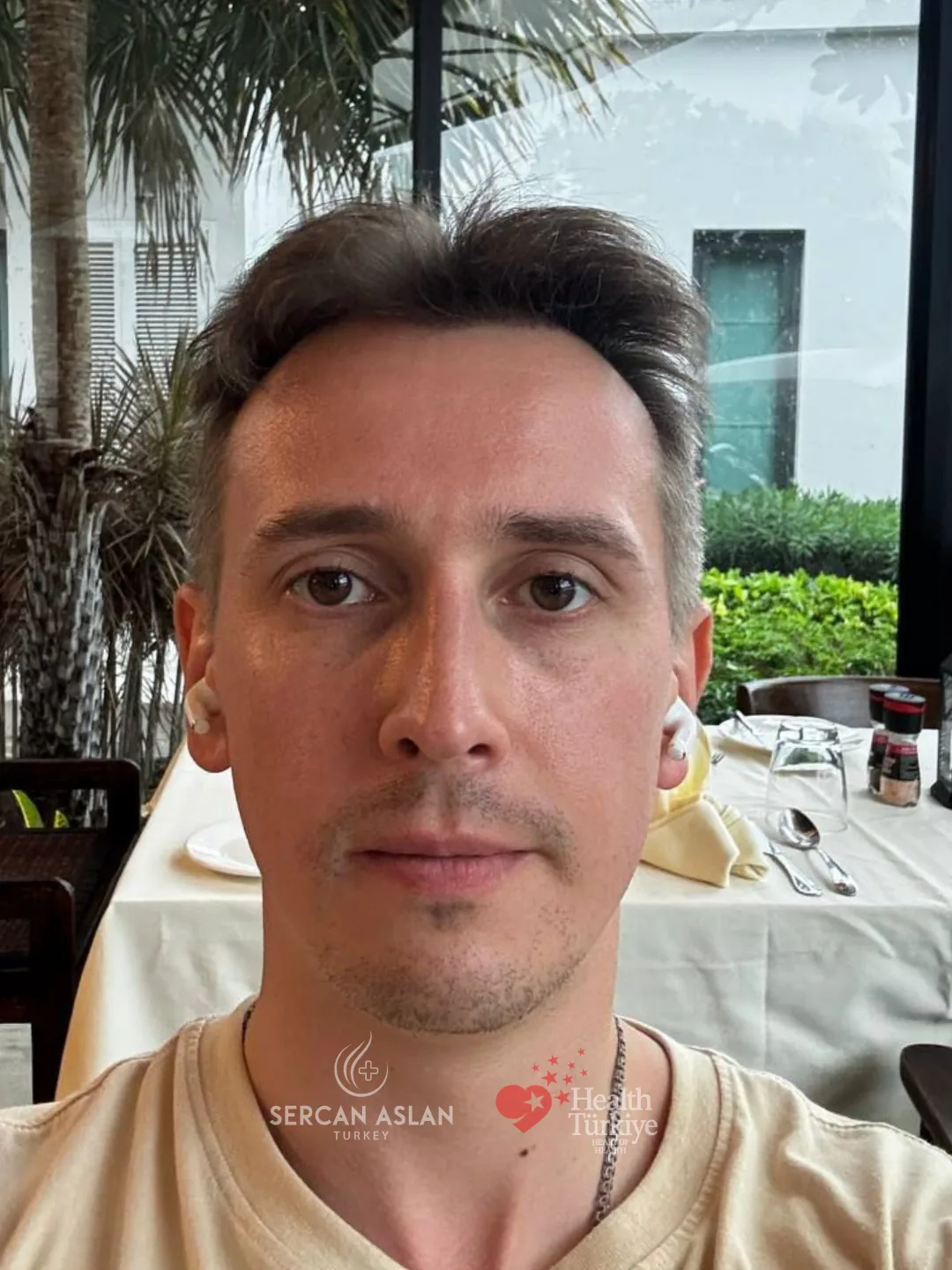
Free AnalysisResults from our clinic
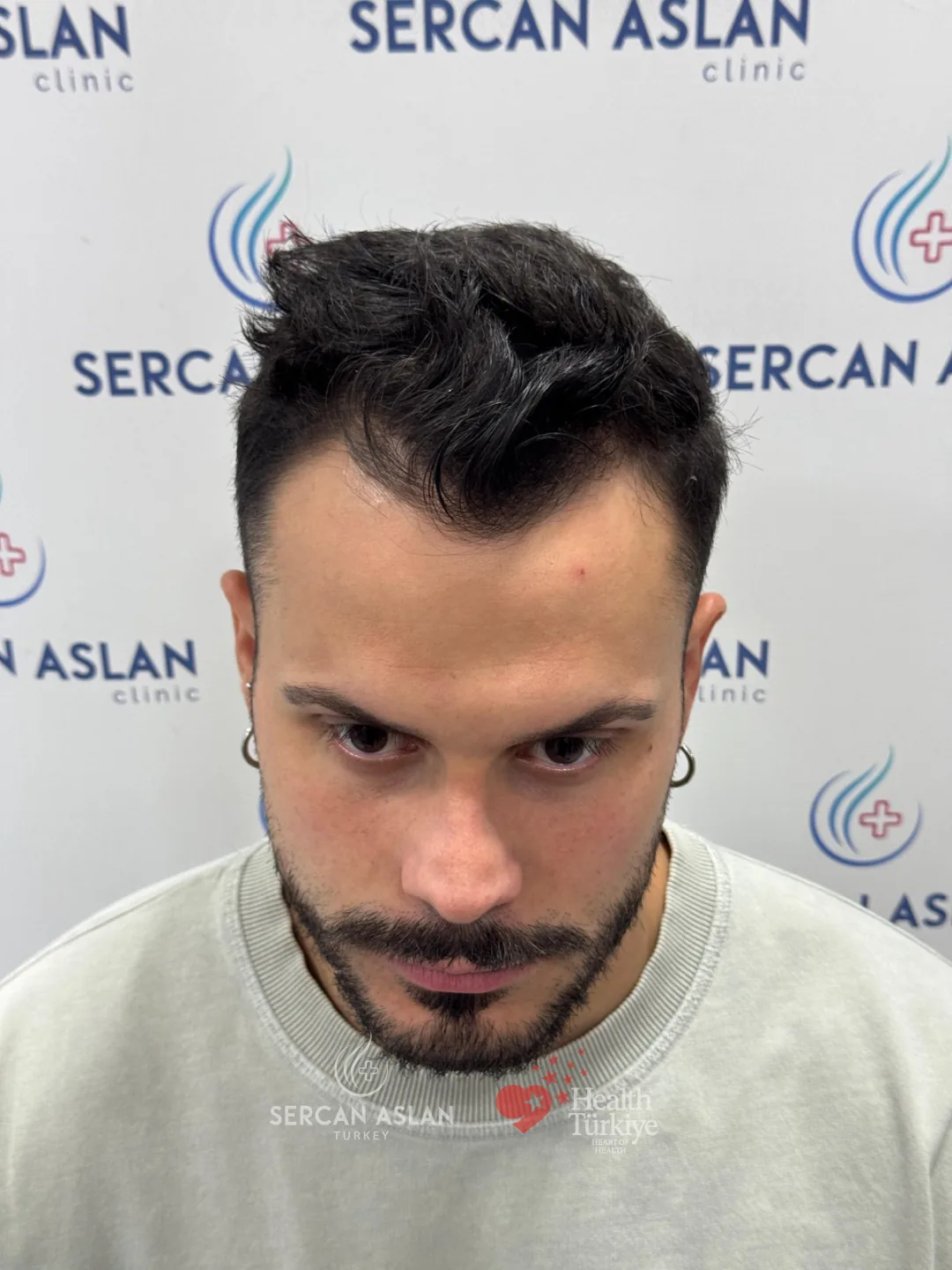 Before
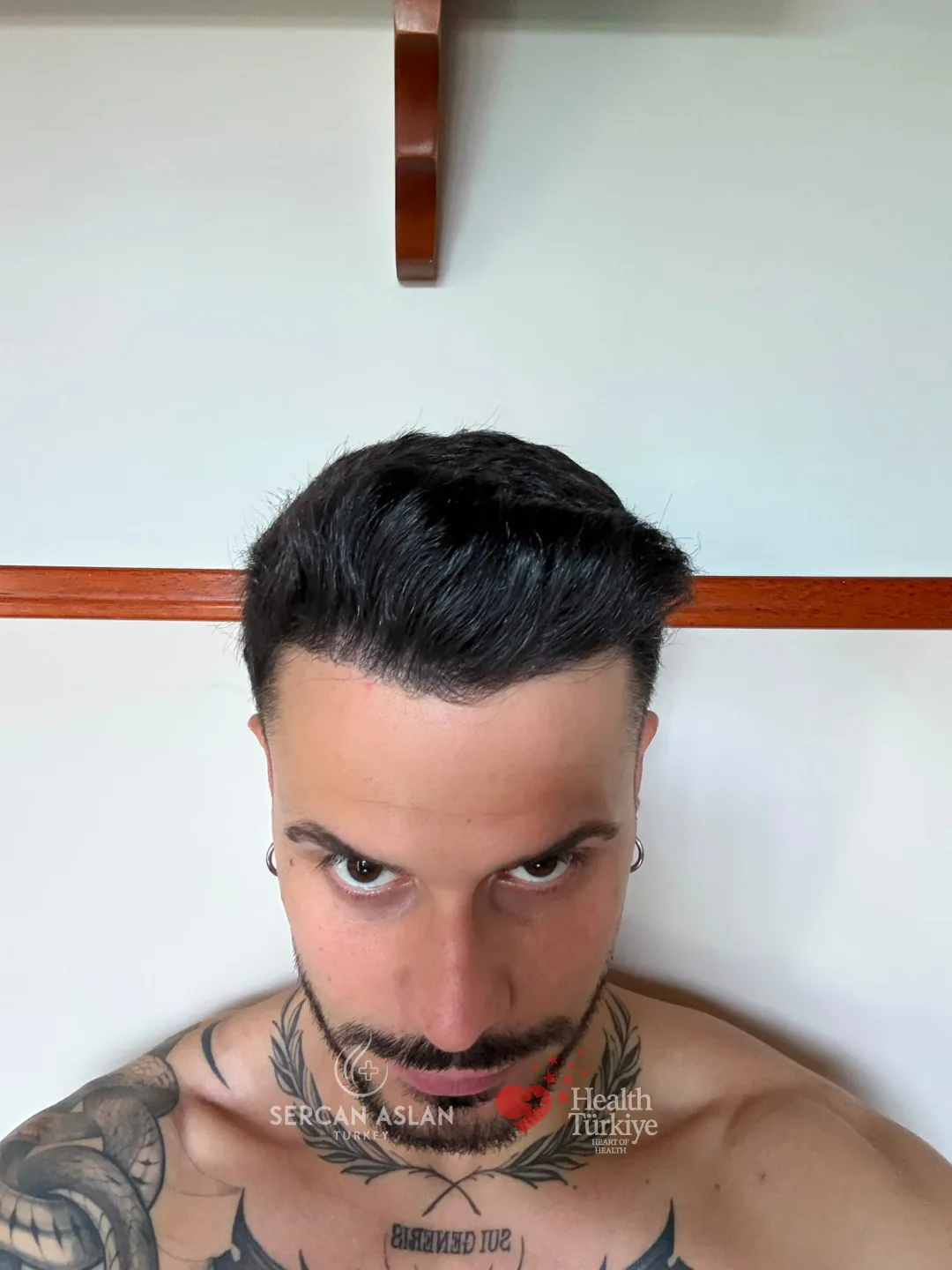 After
After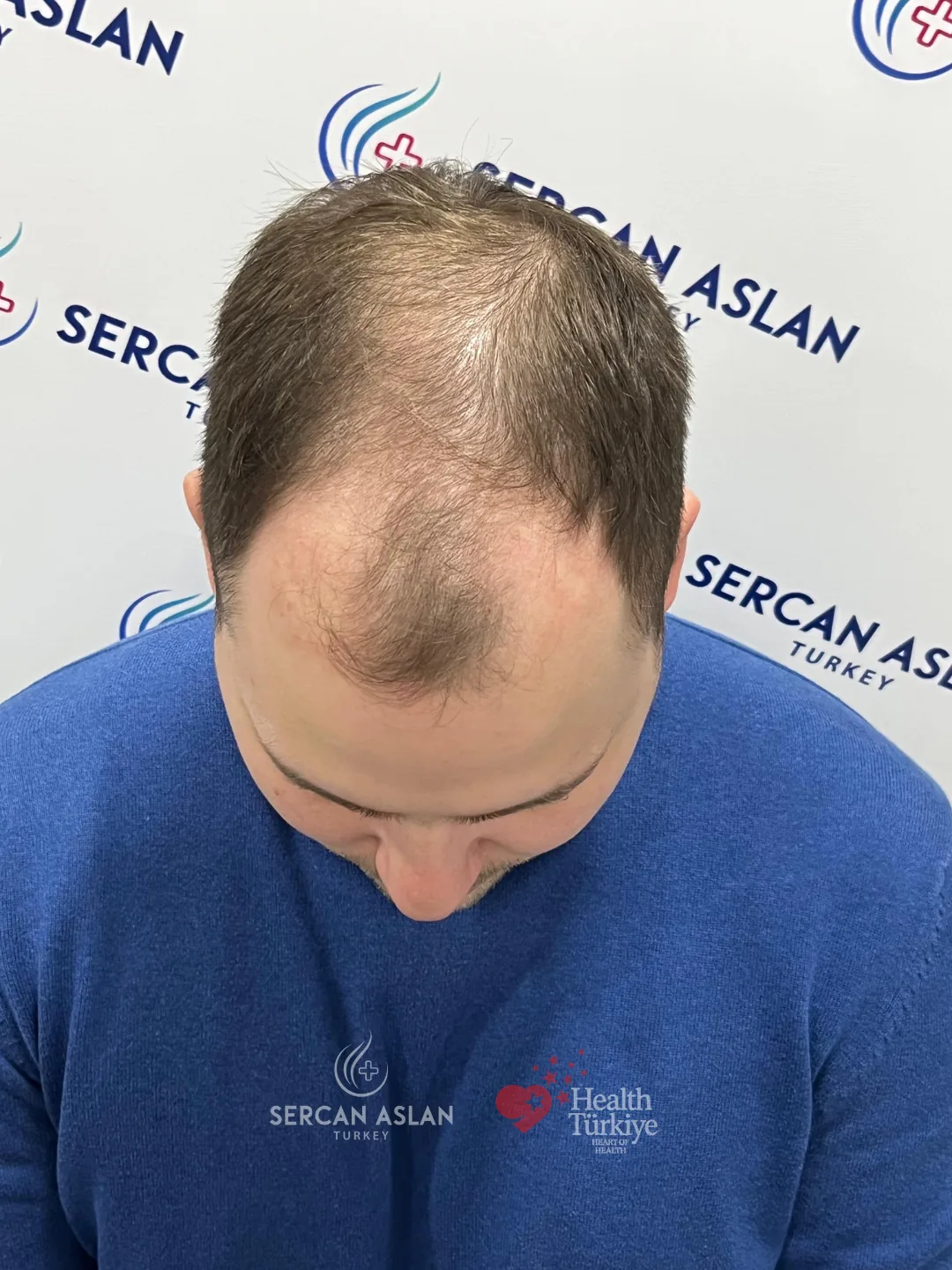 Before
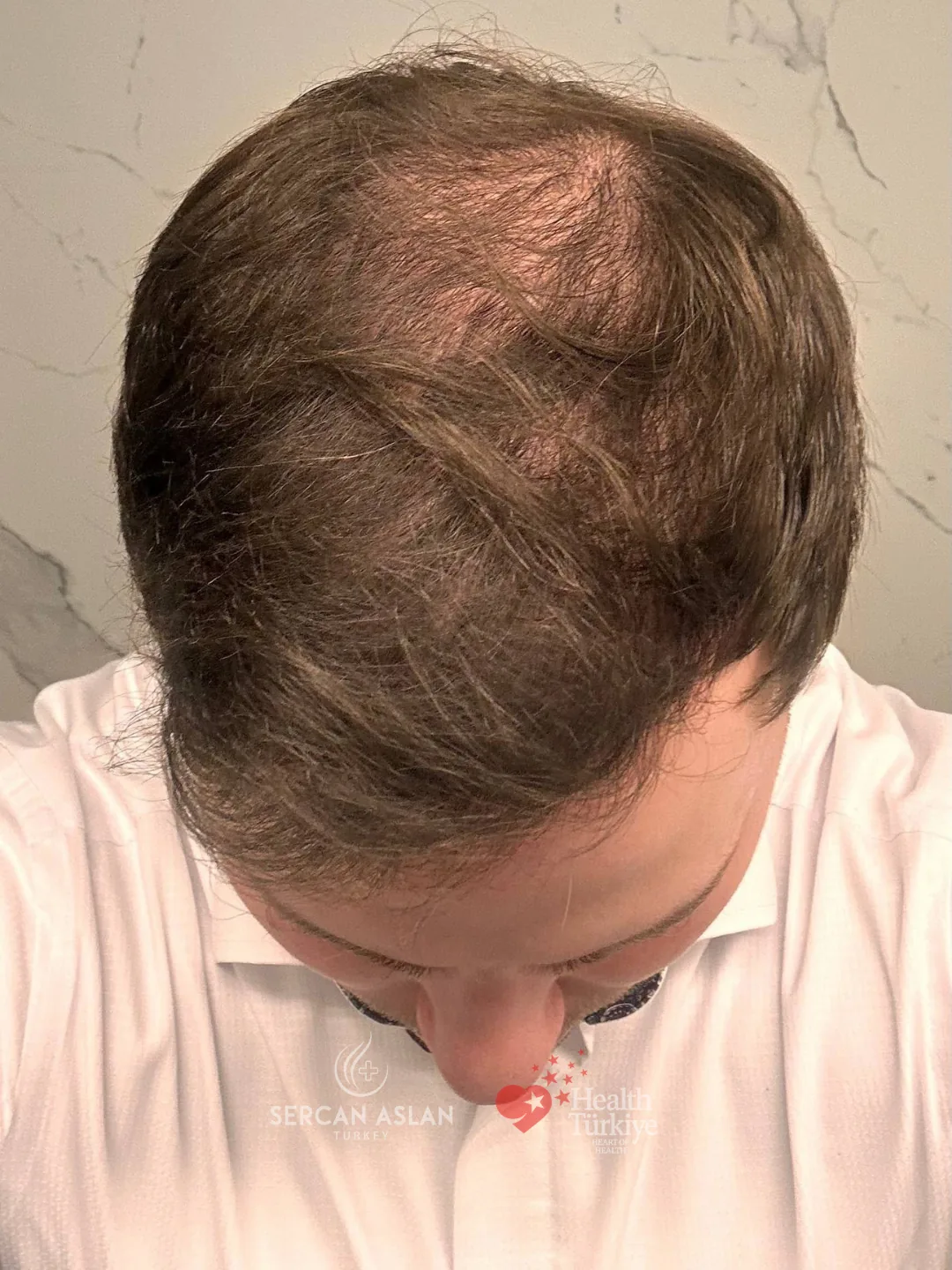 After
After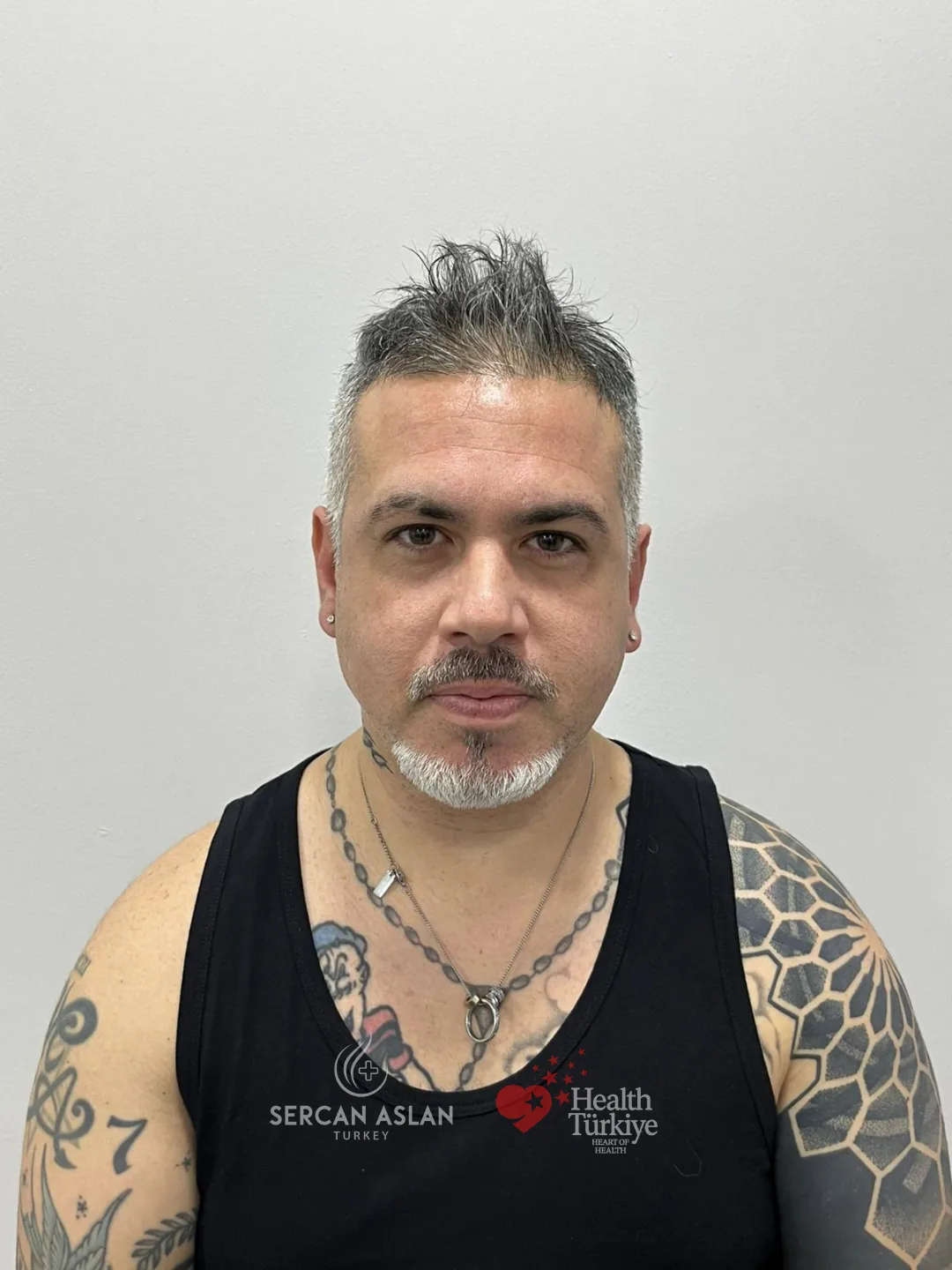 Before
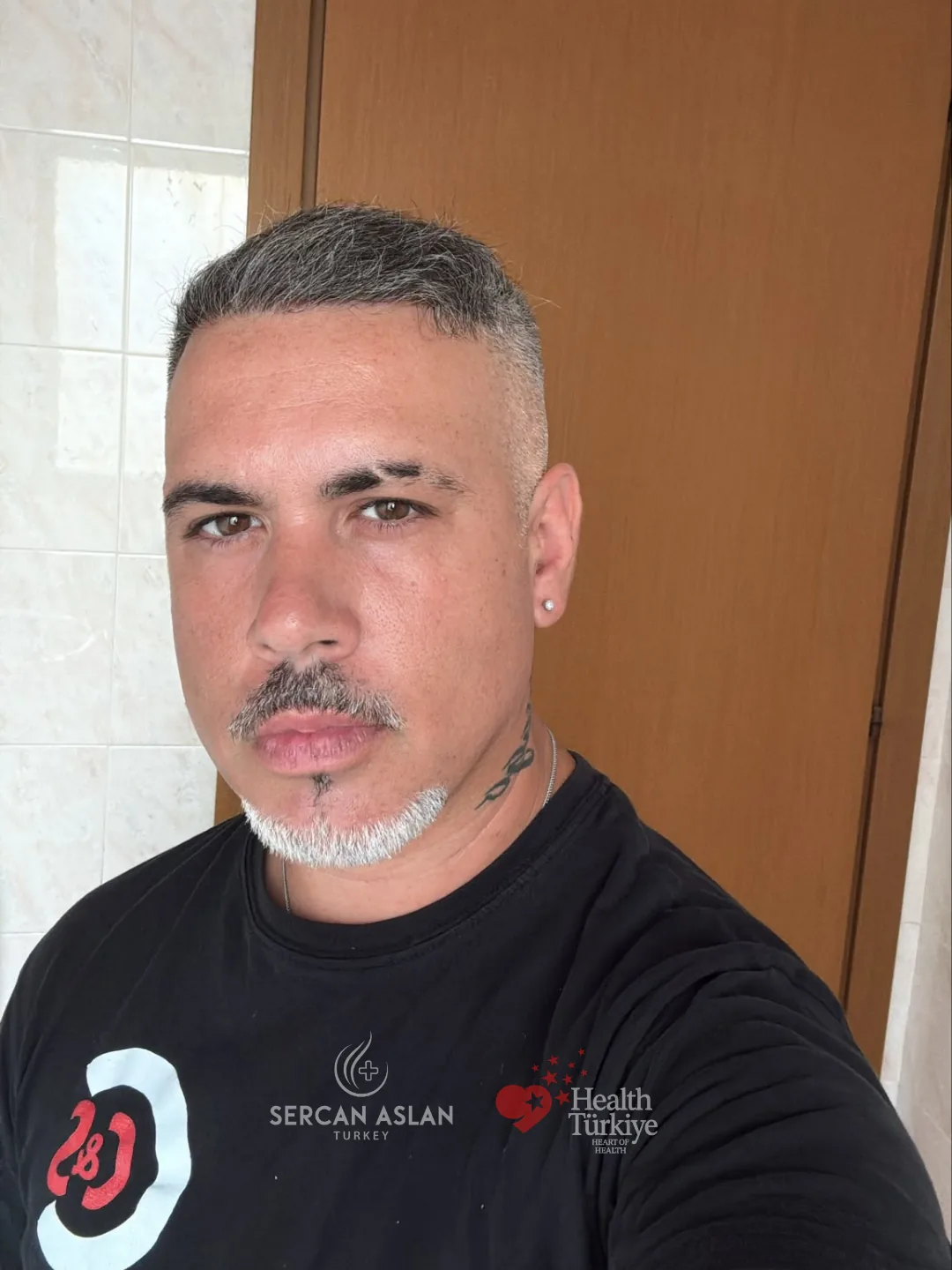 After
After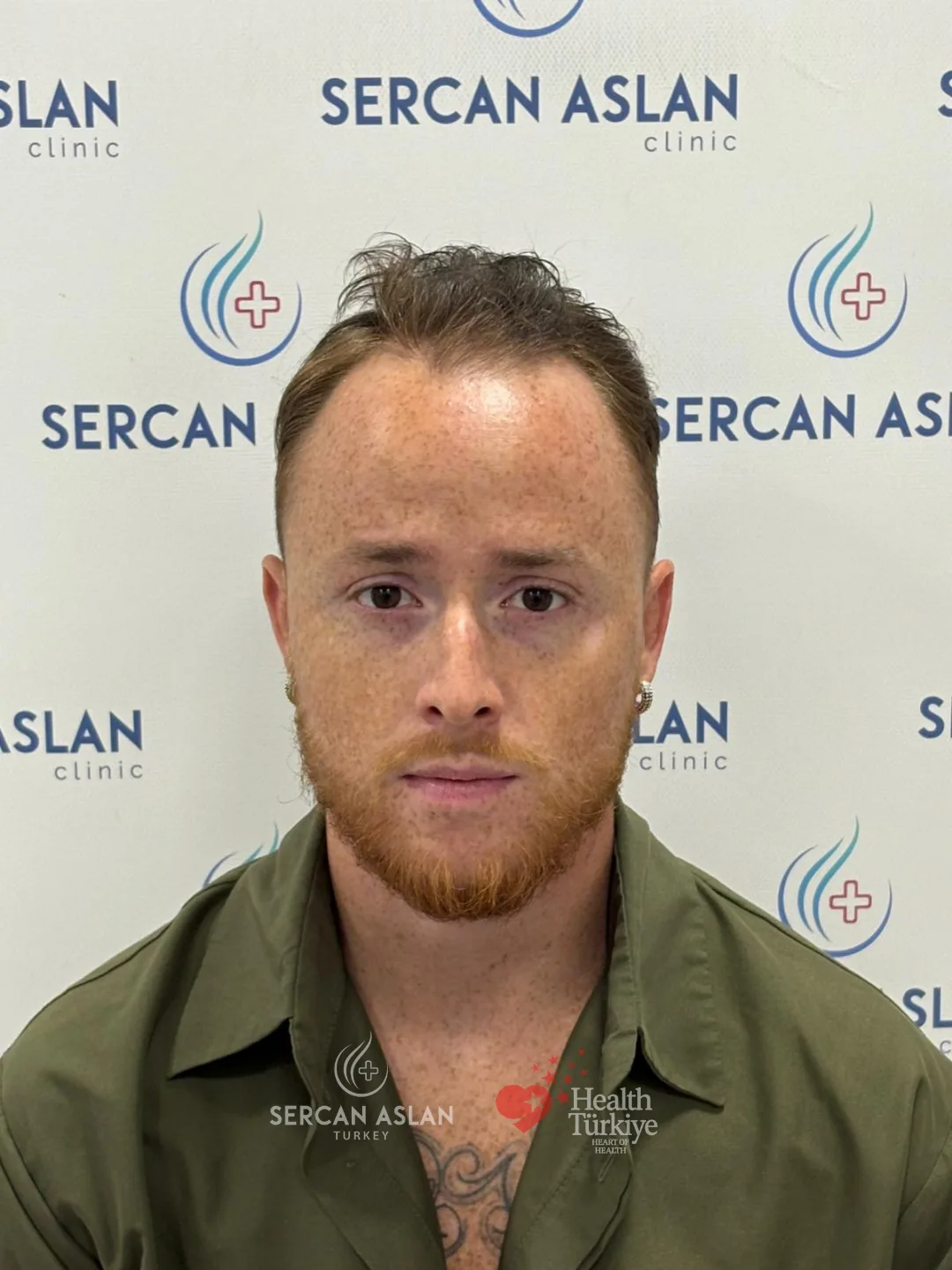 Before
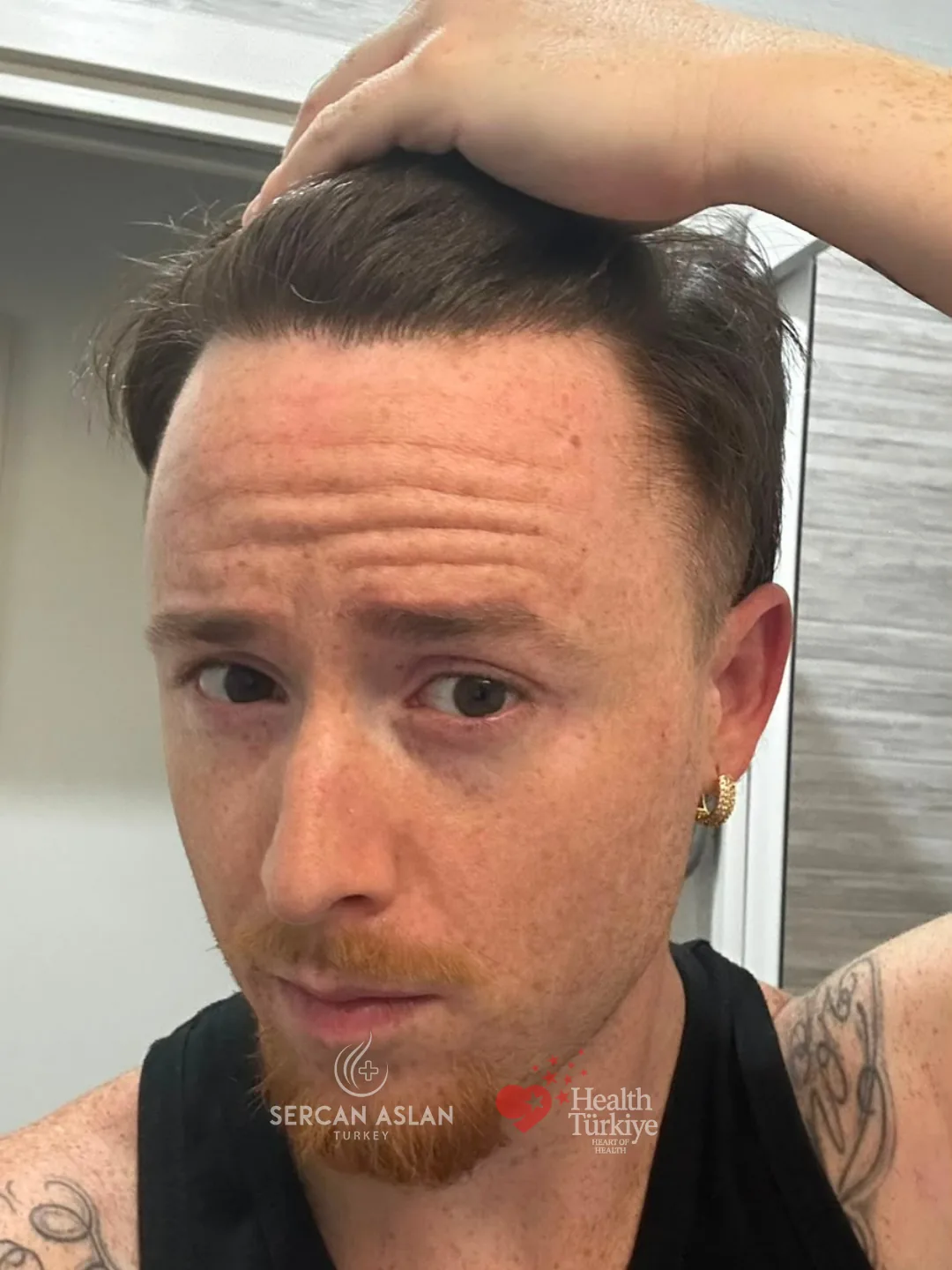 After
After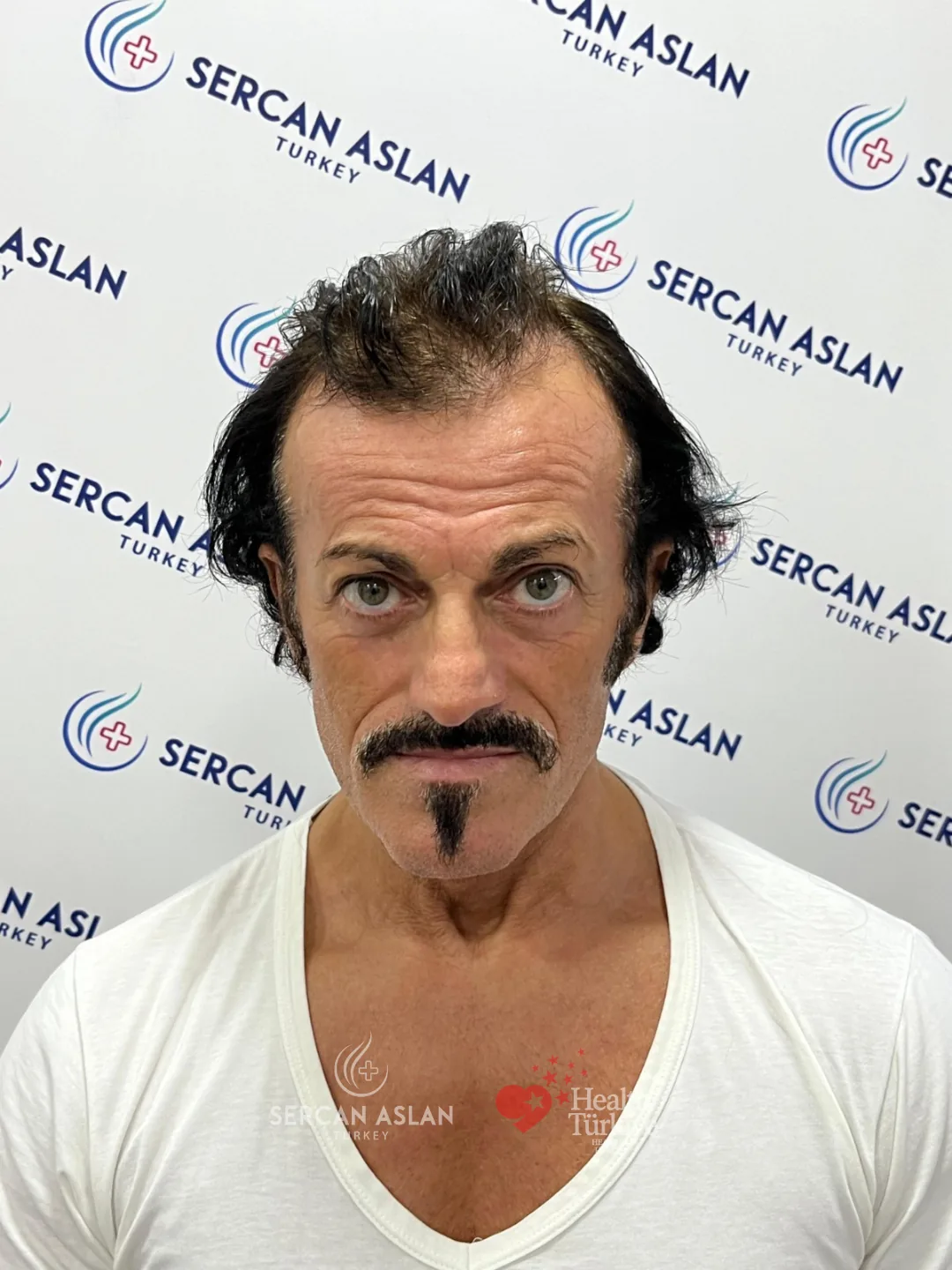 Before
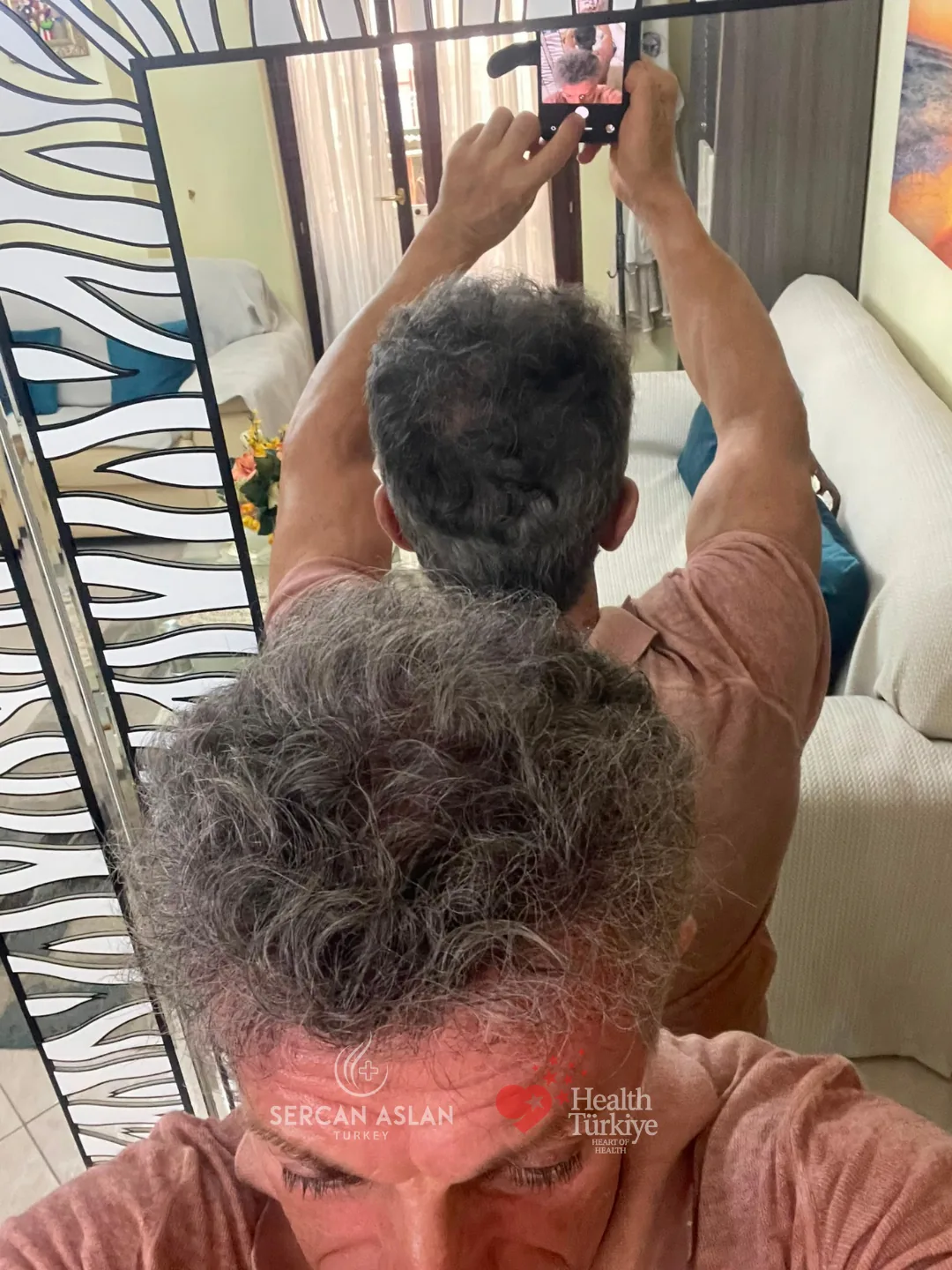 After
After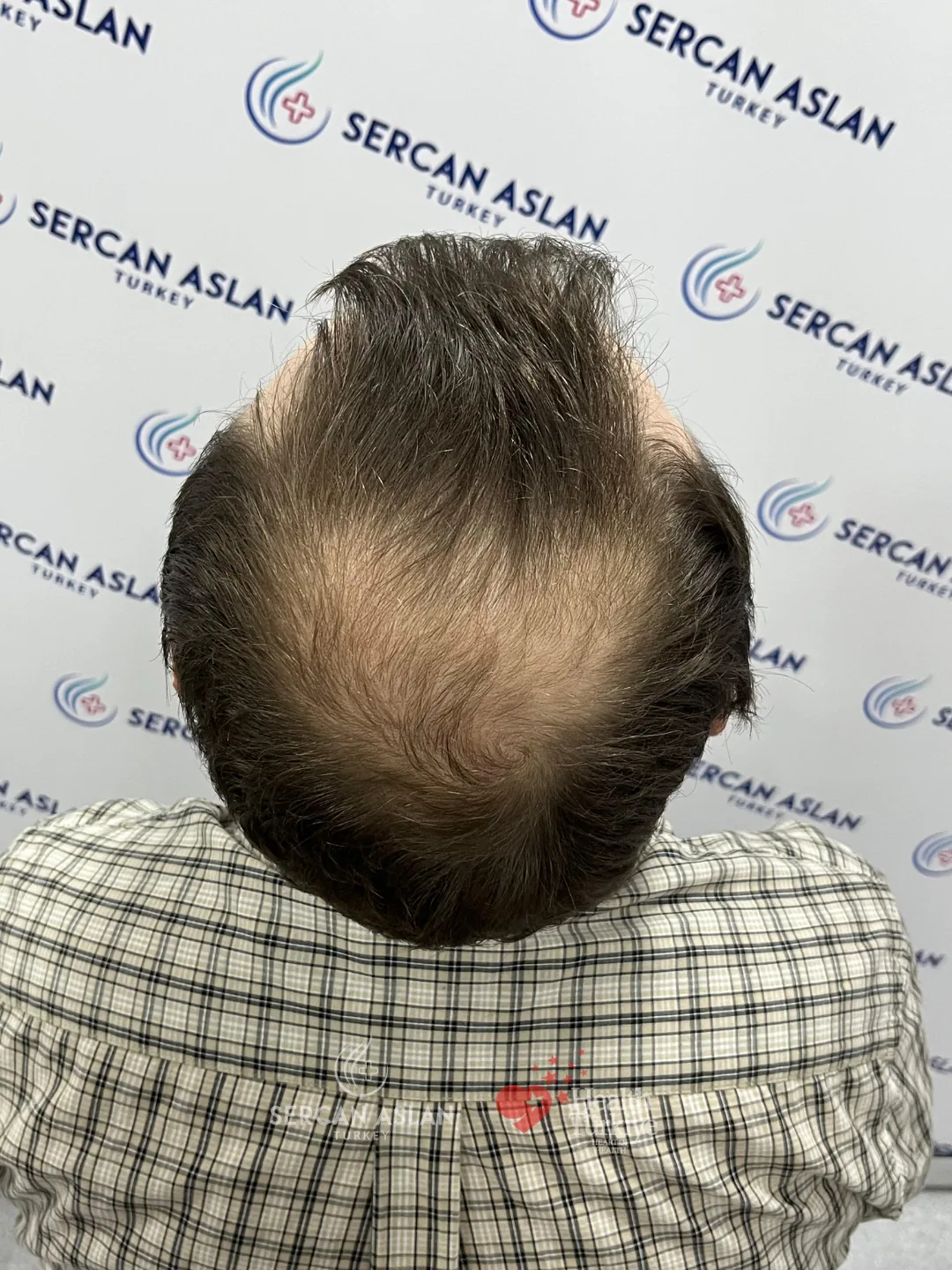 Before
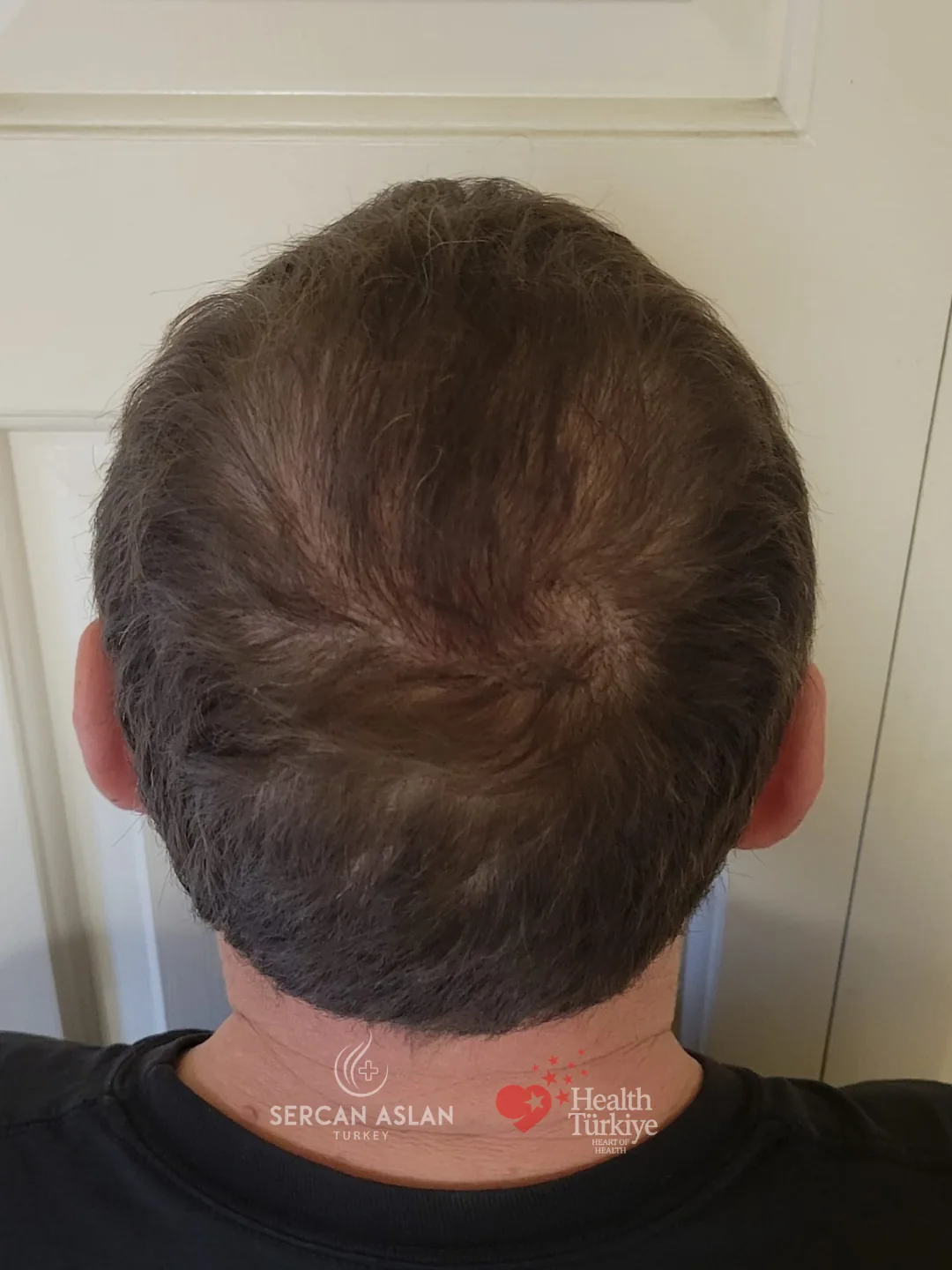 After
After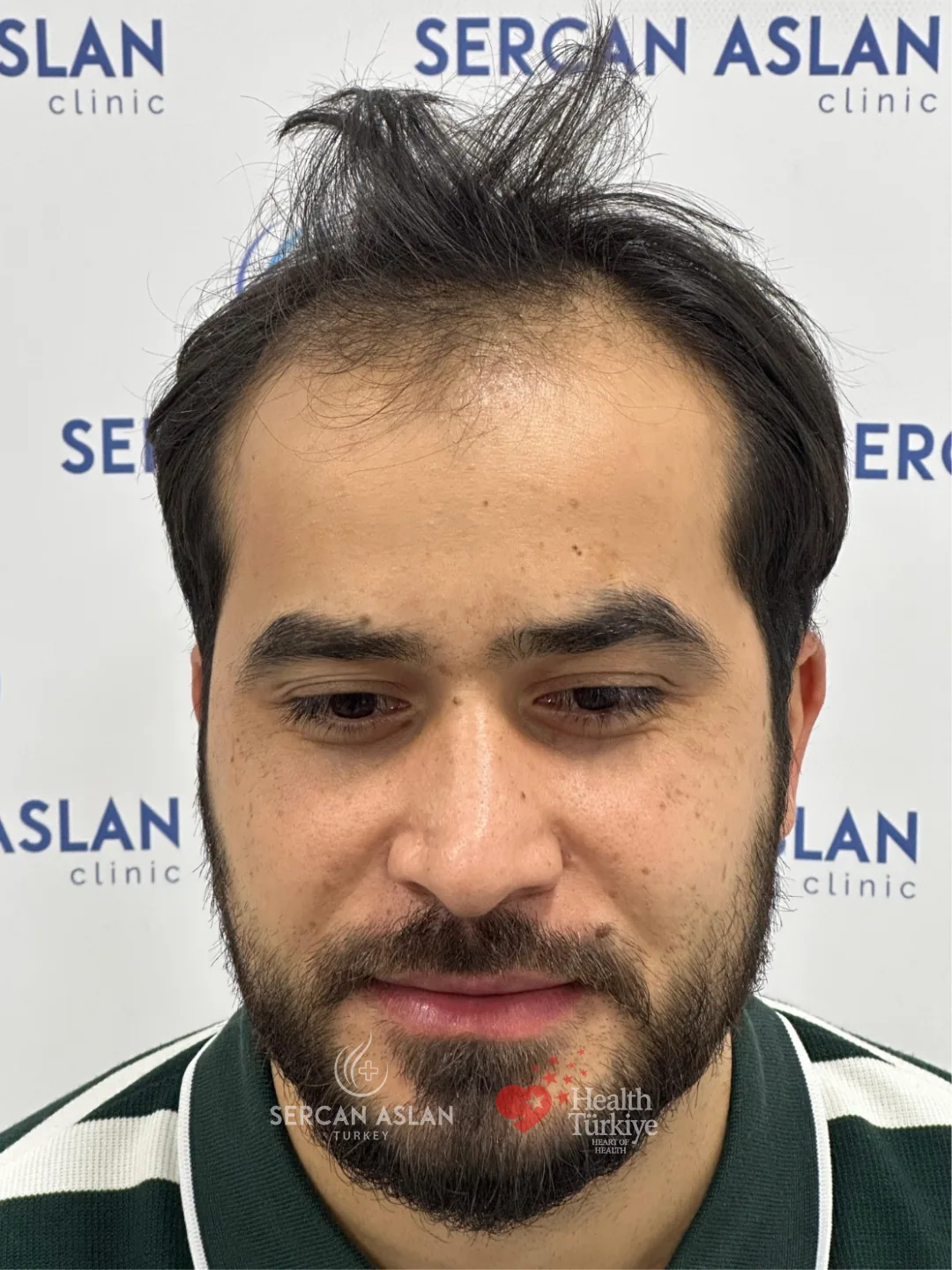 Before
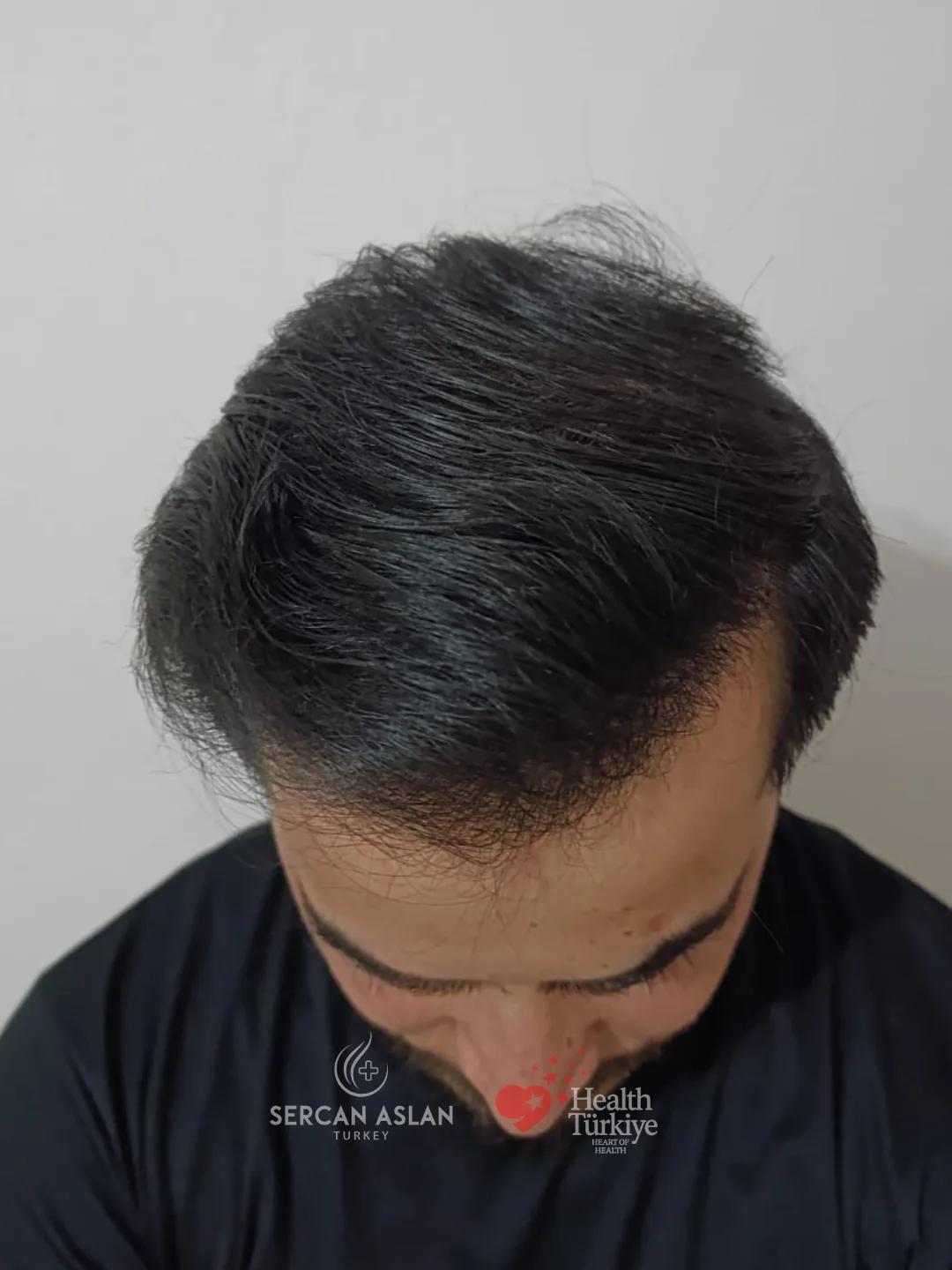 After
After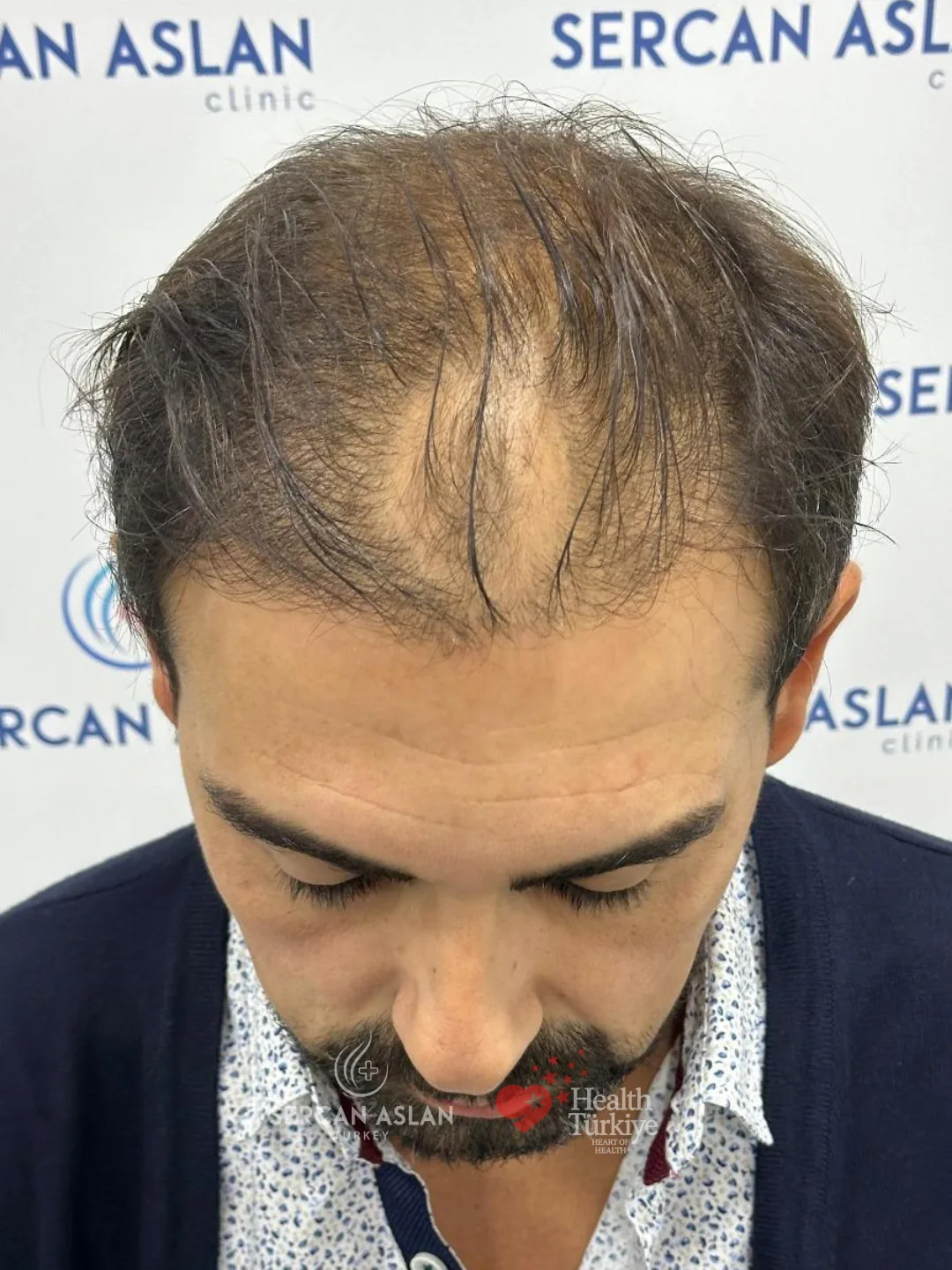 Before
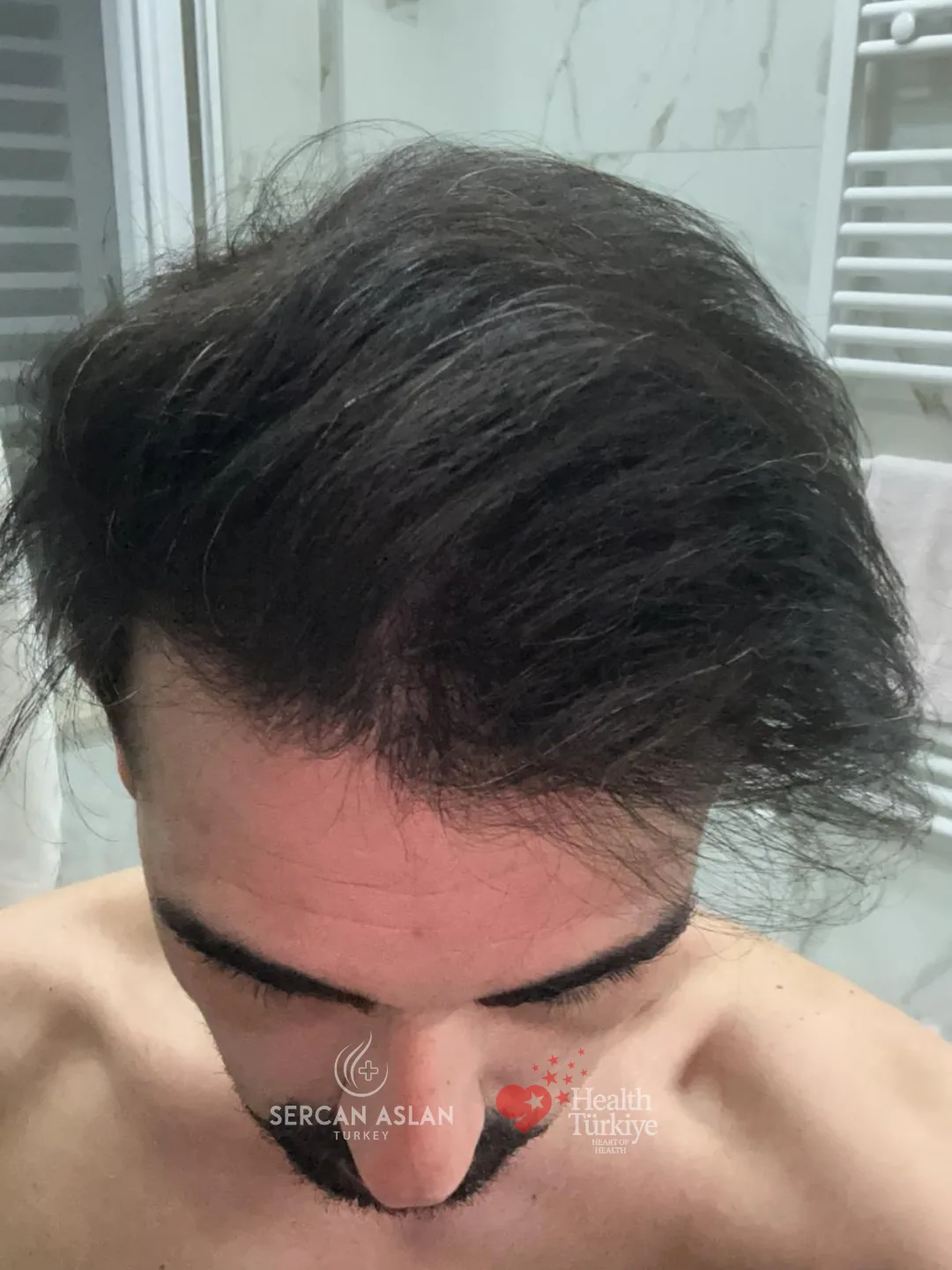 After
After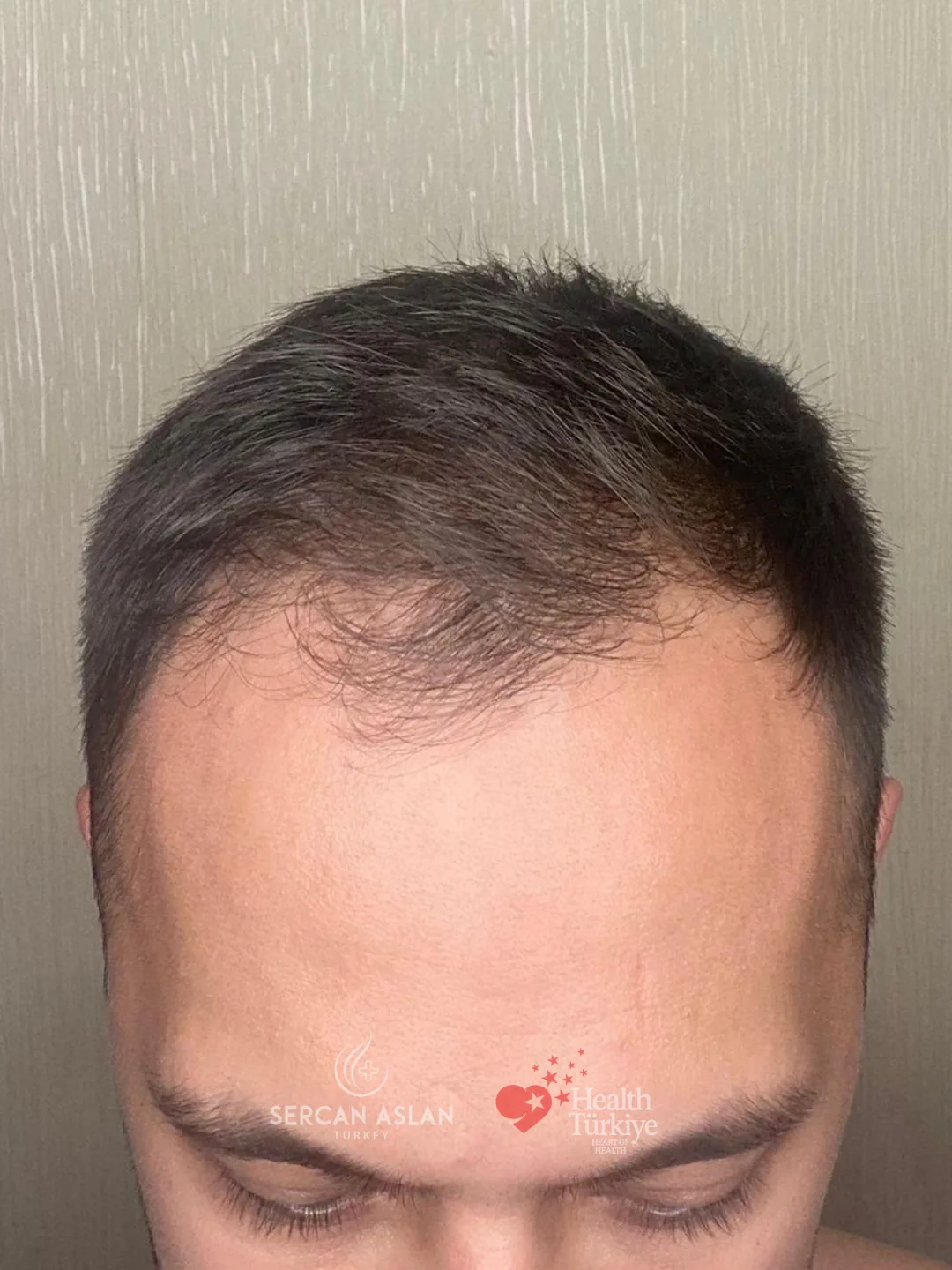 Before
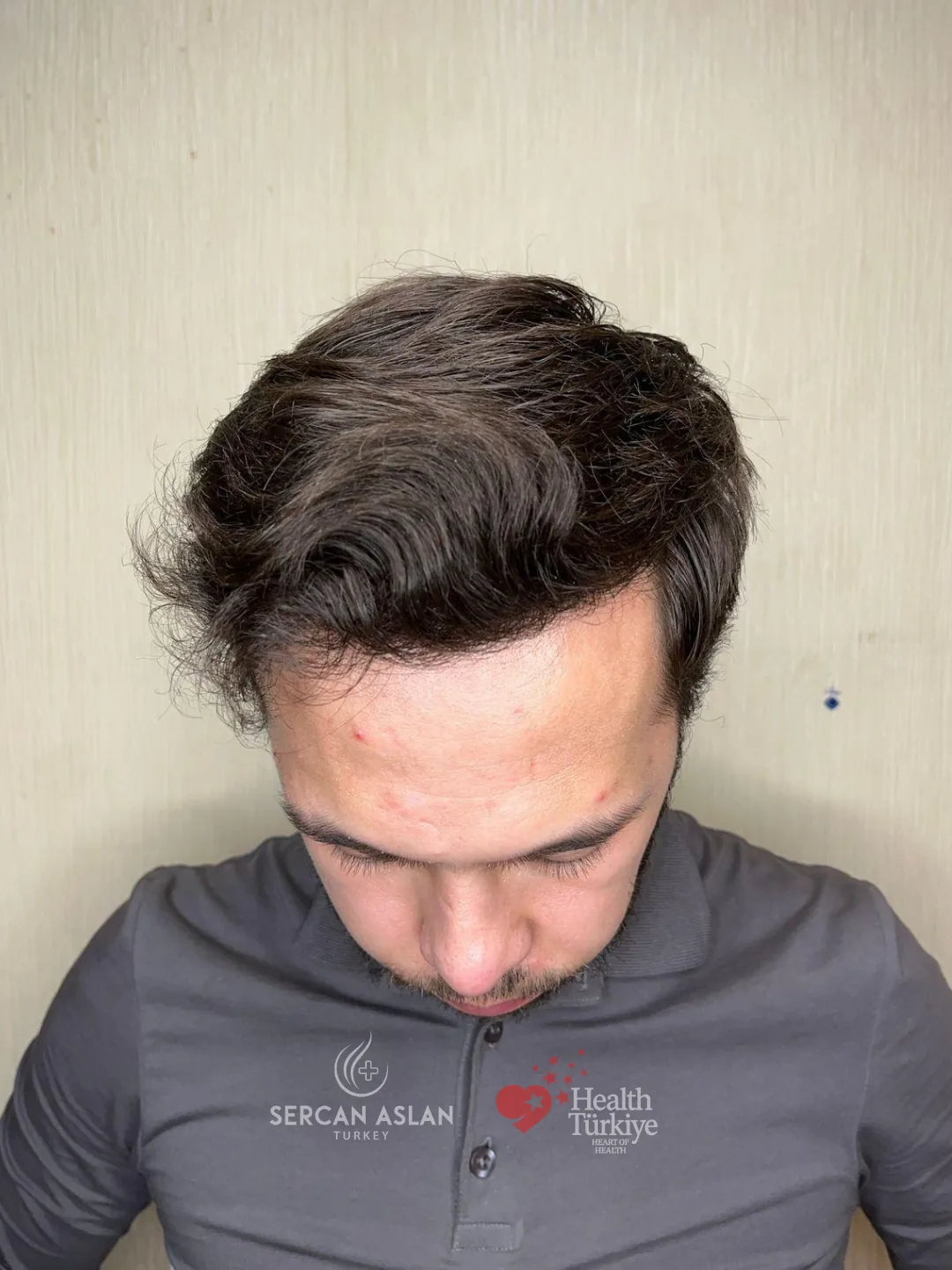 After
After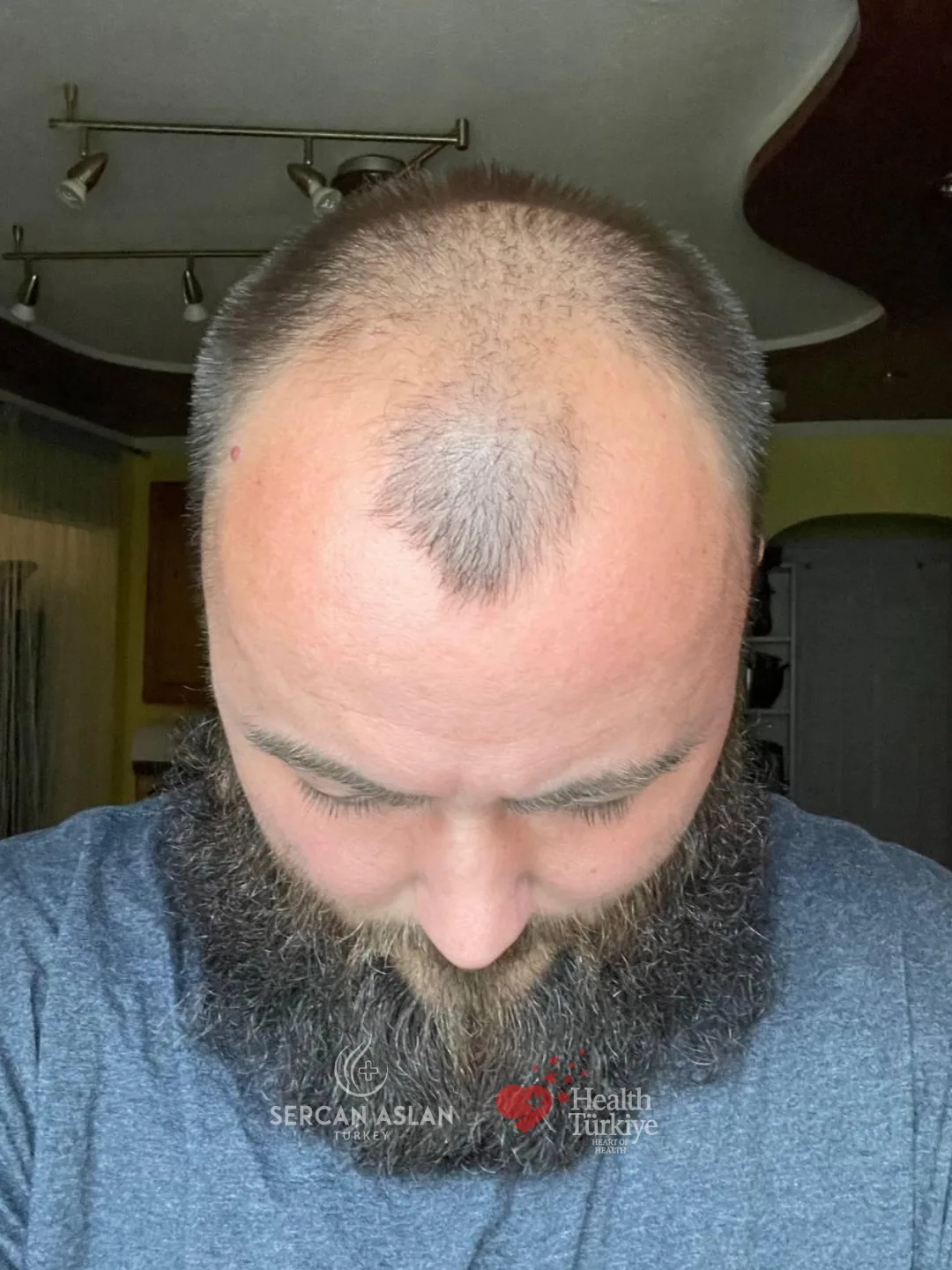 Before
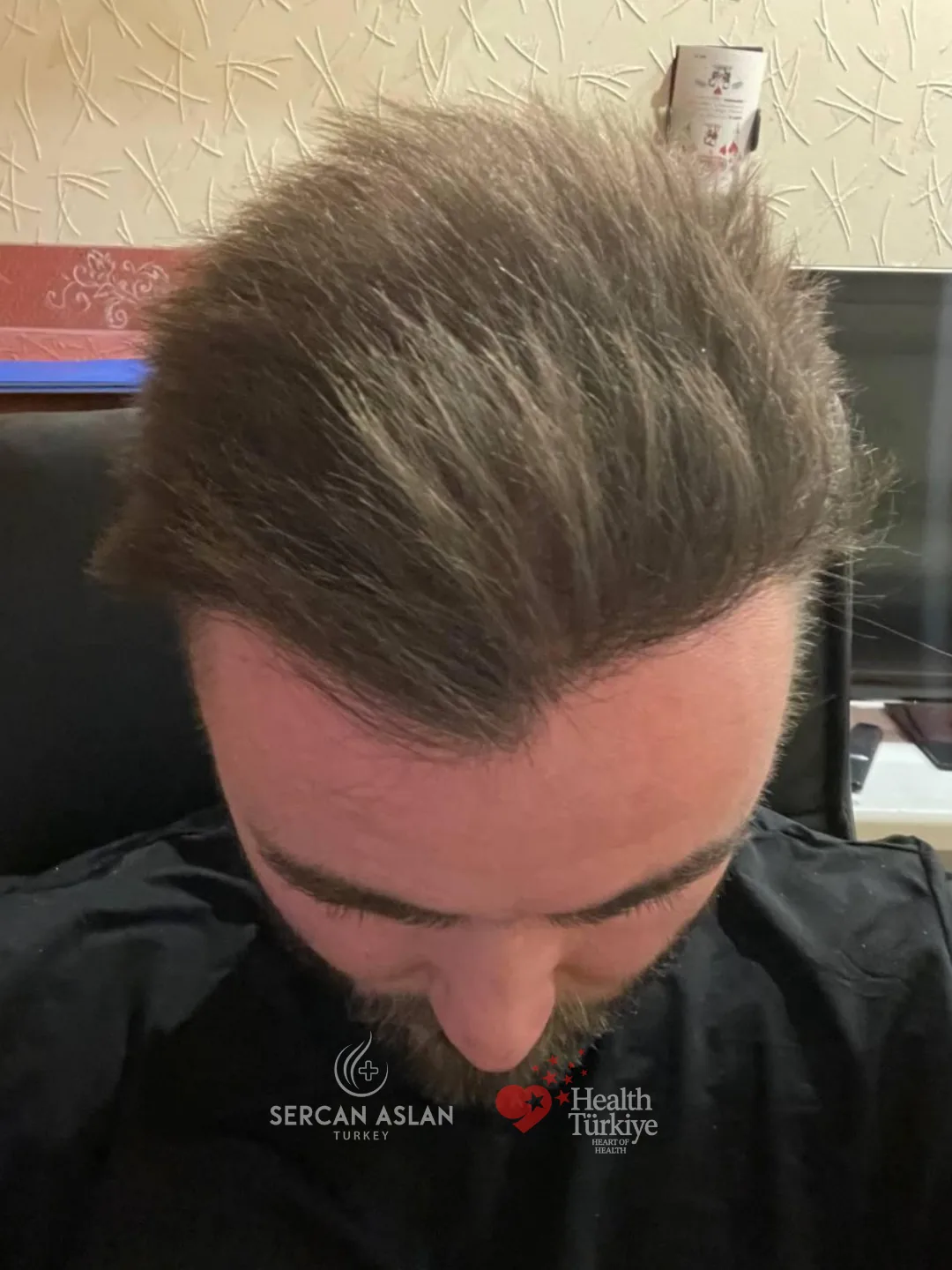 After
After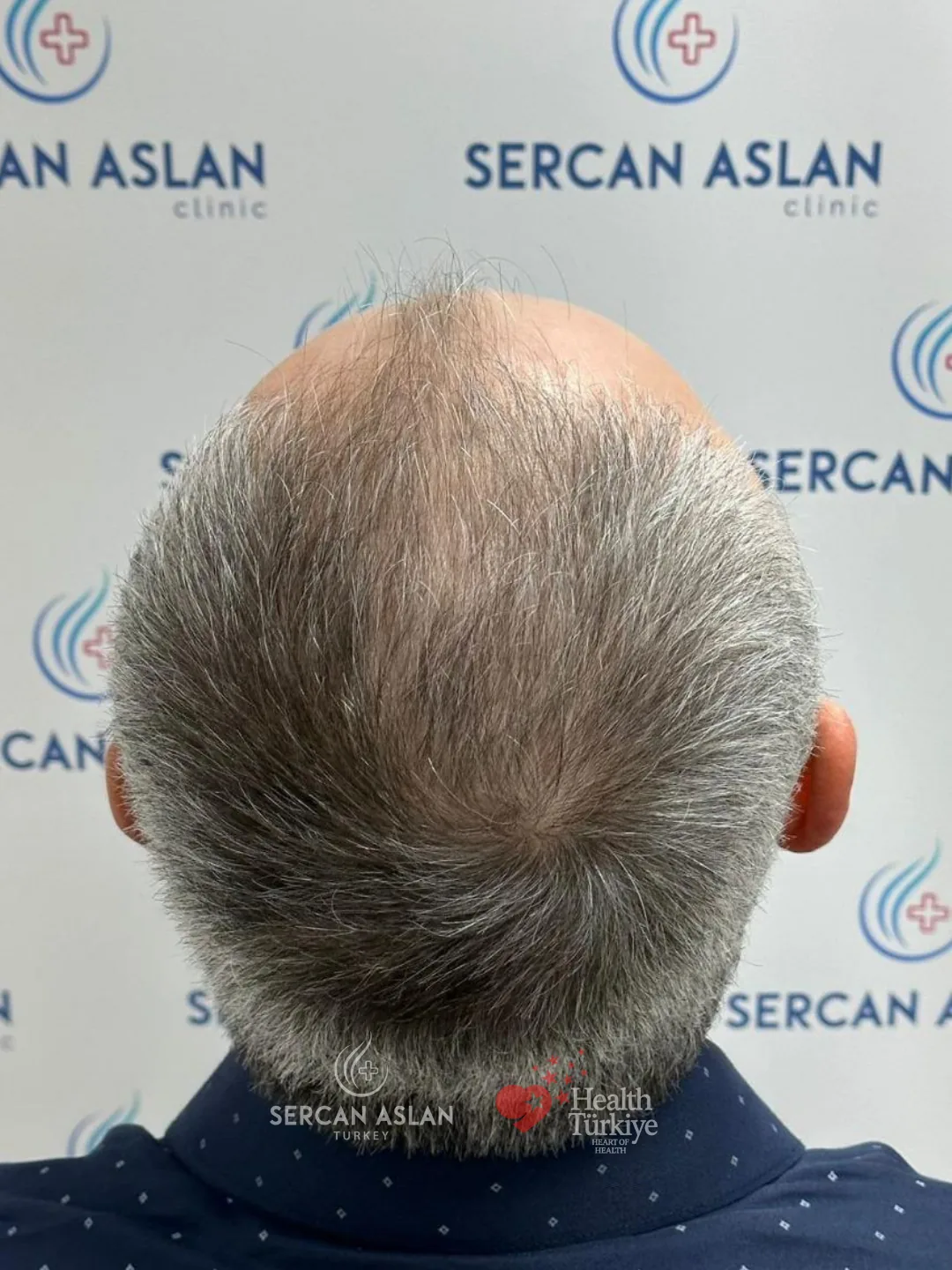 Before
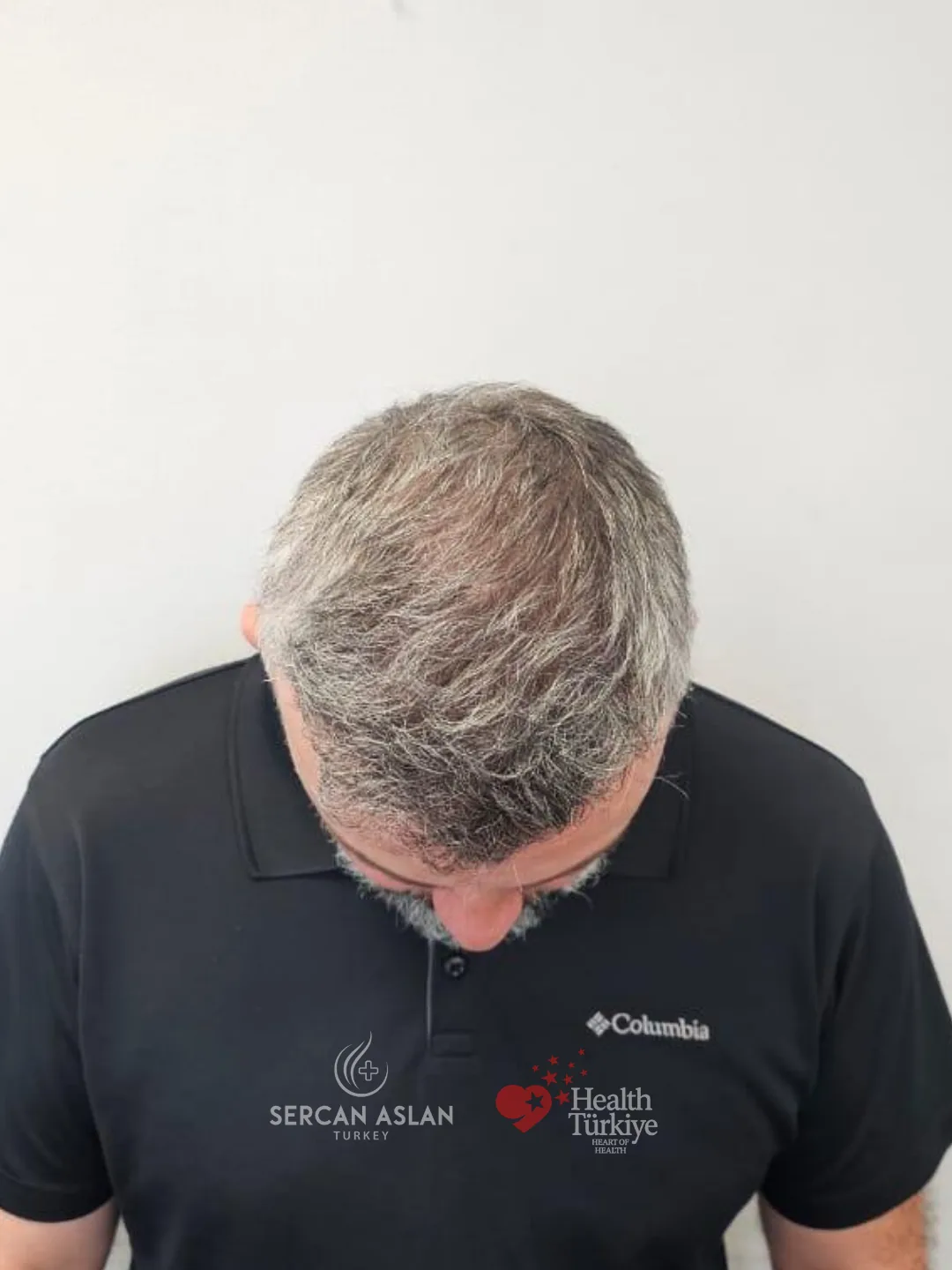 After
After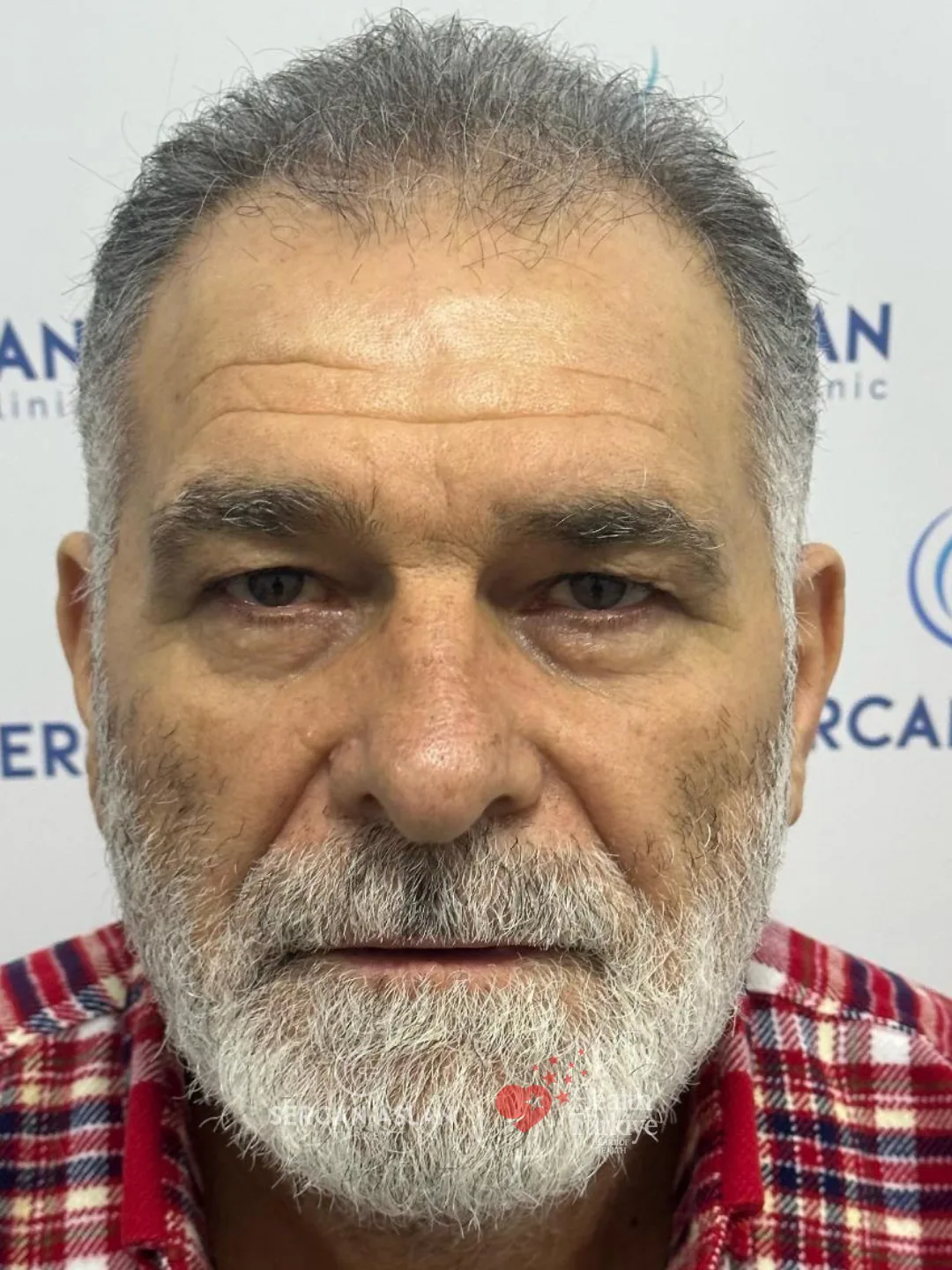 Before
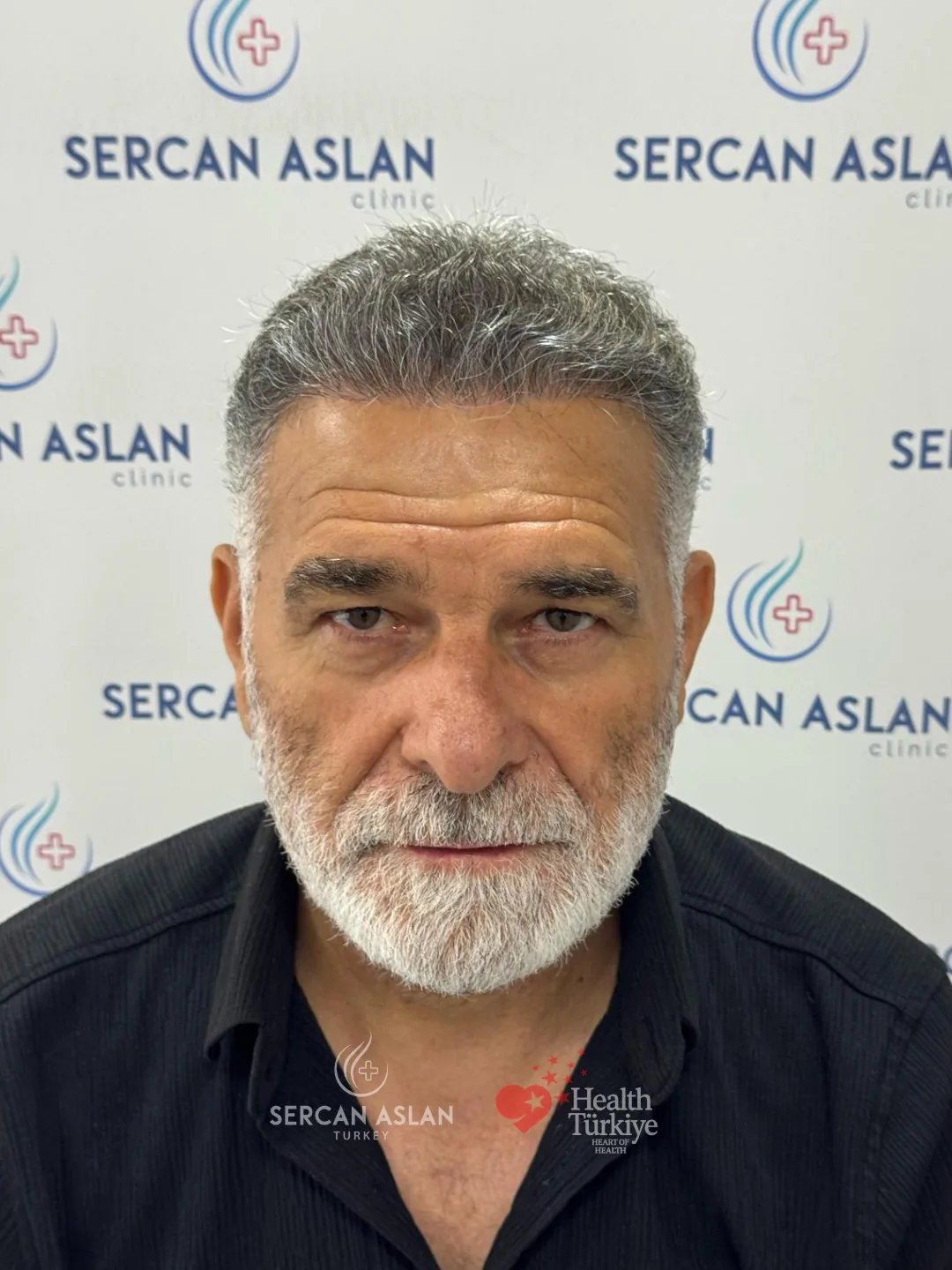 After
After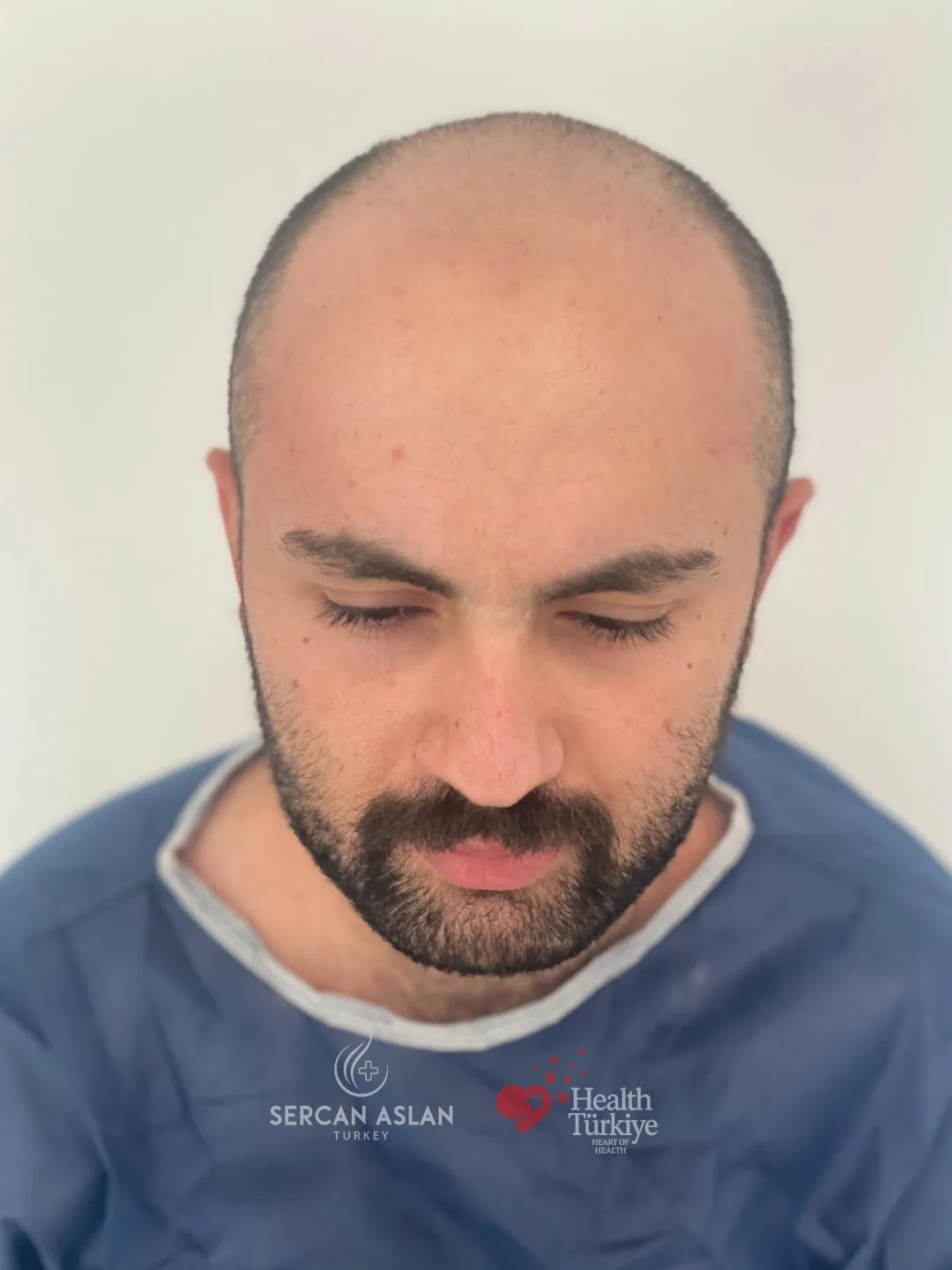 Before
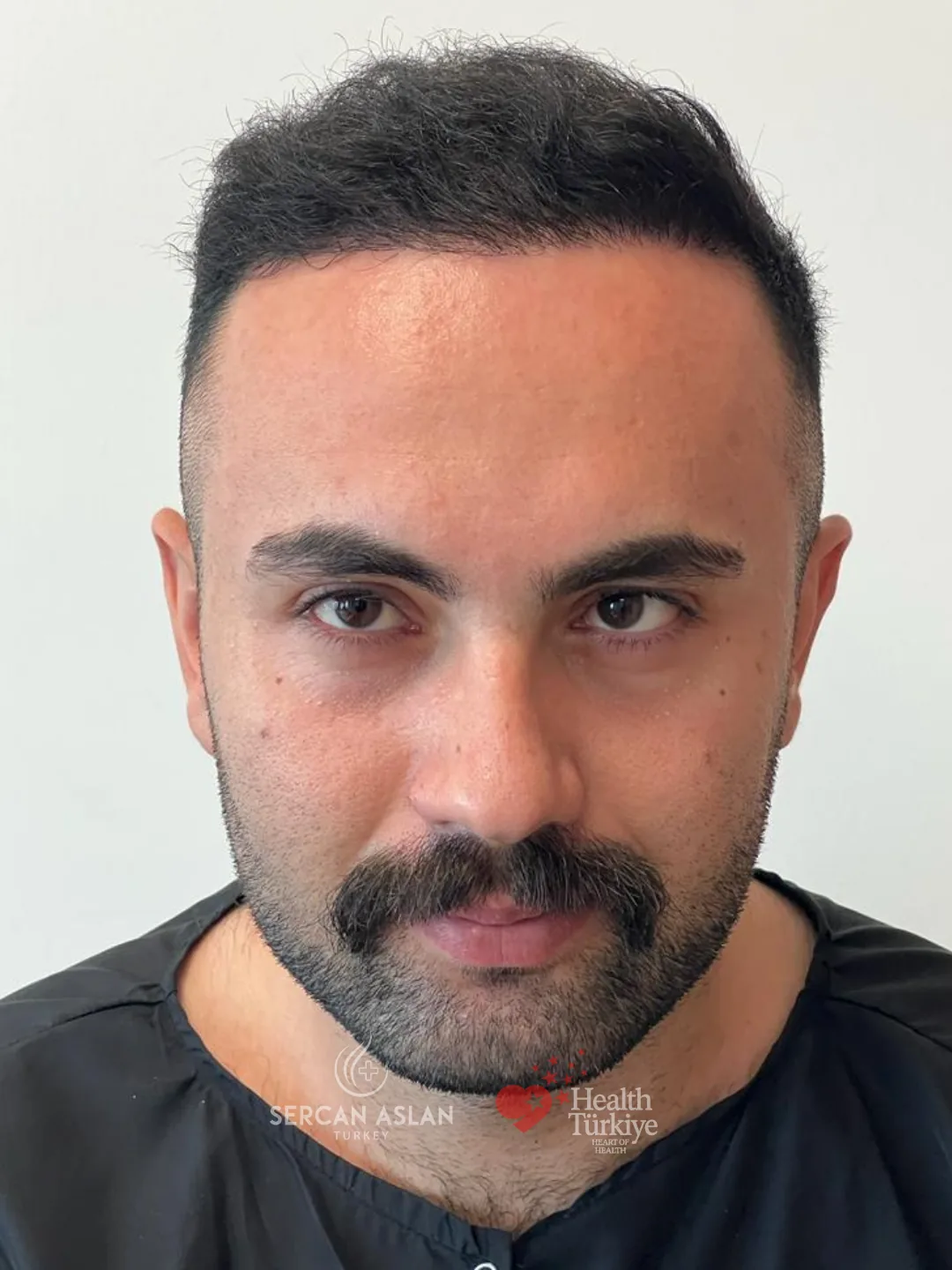 After
After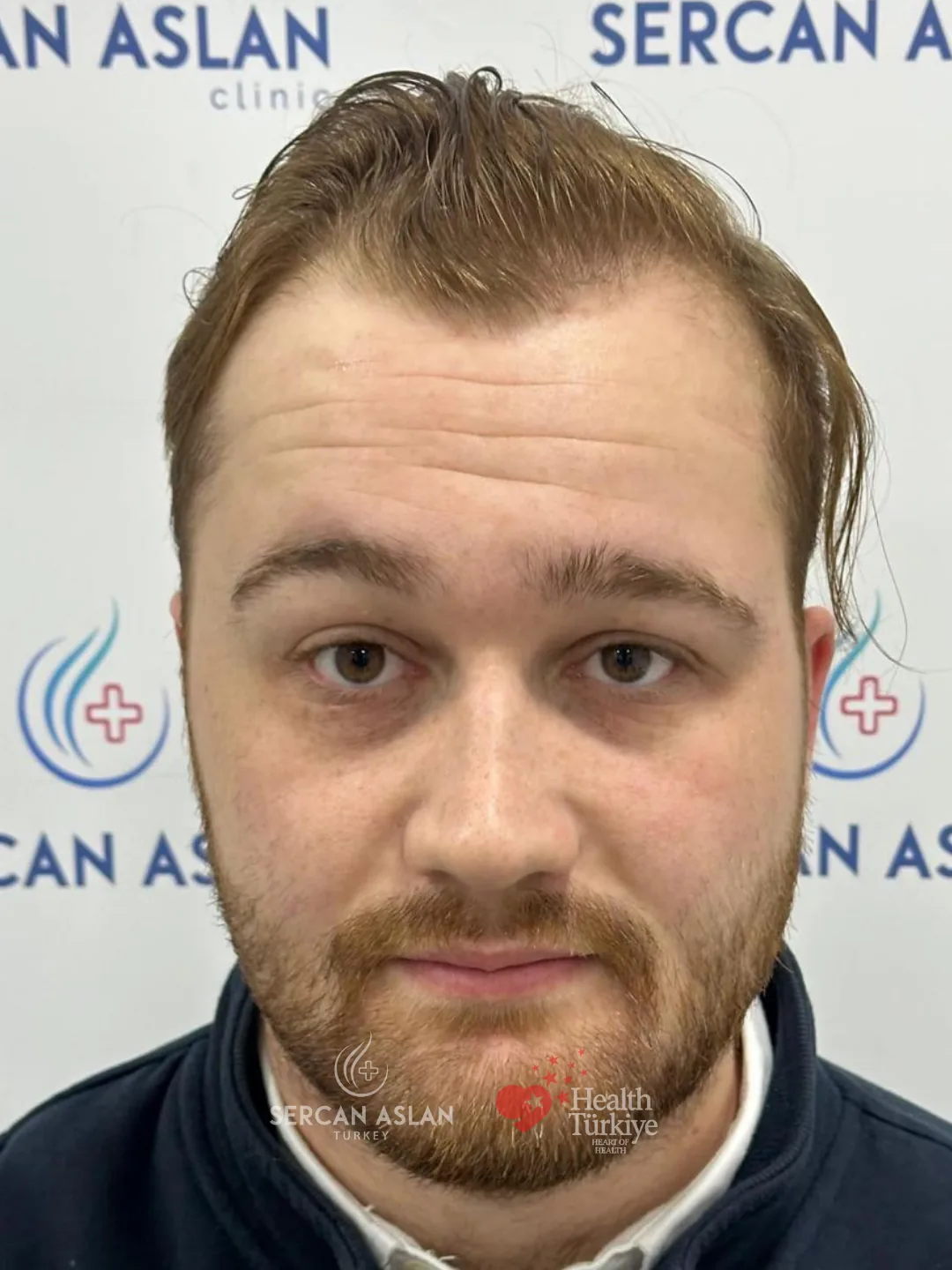 Before
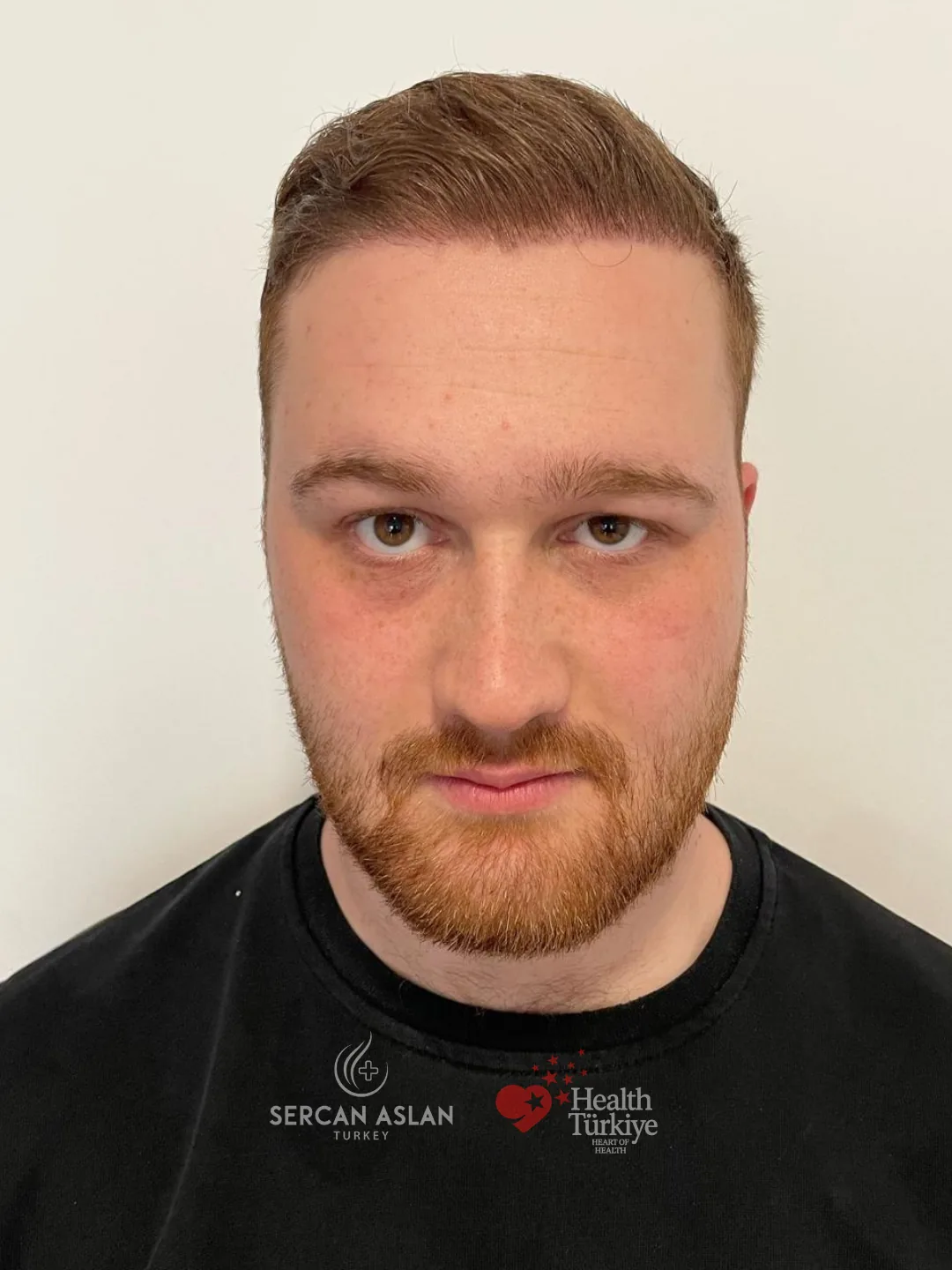 After
After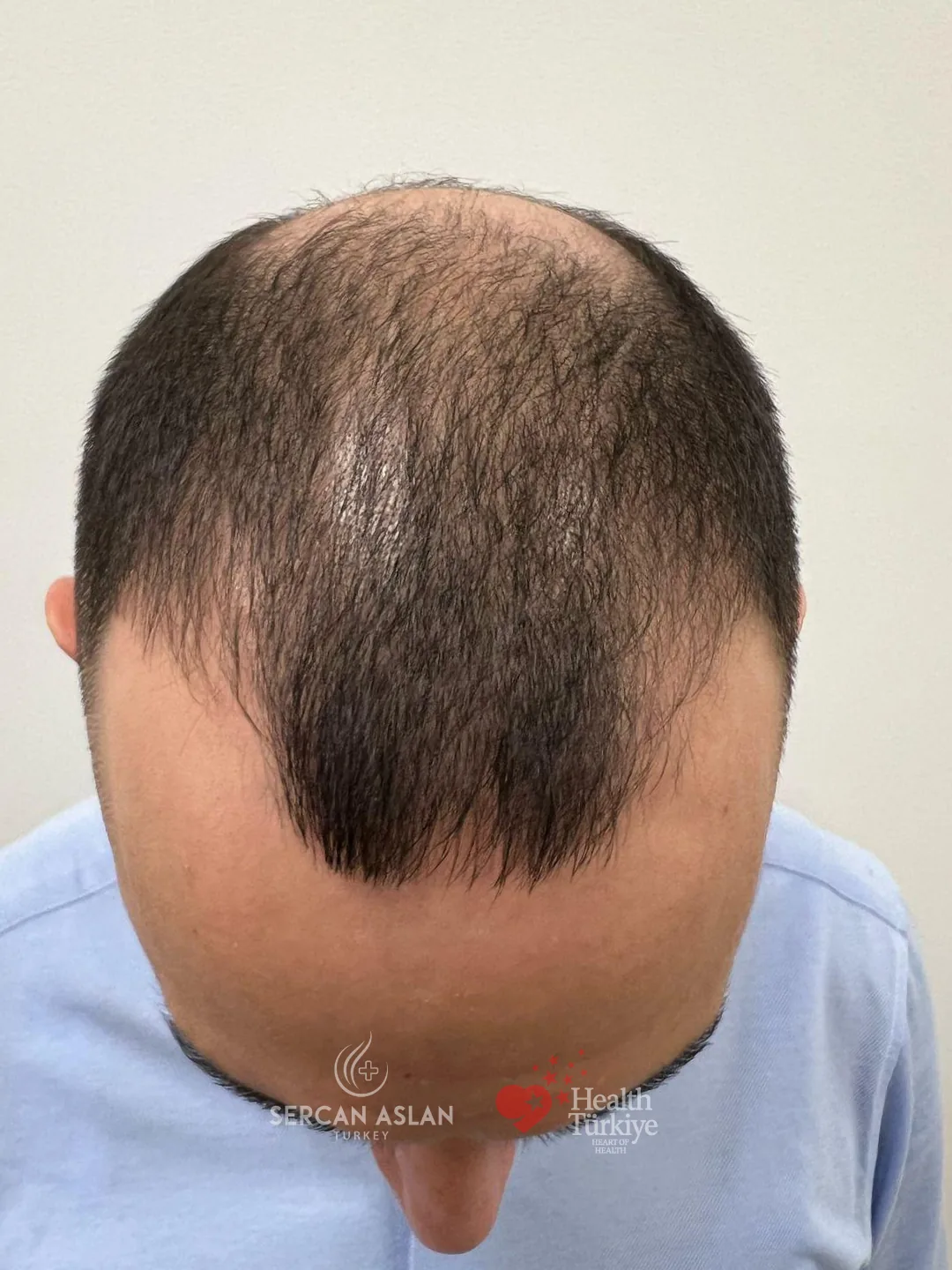 Before
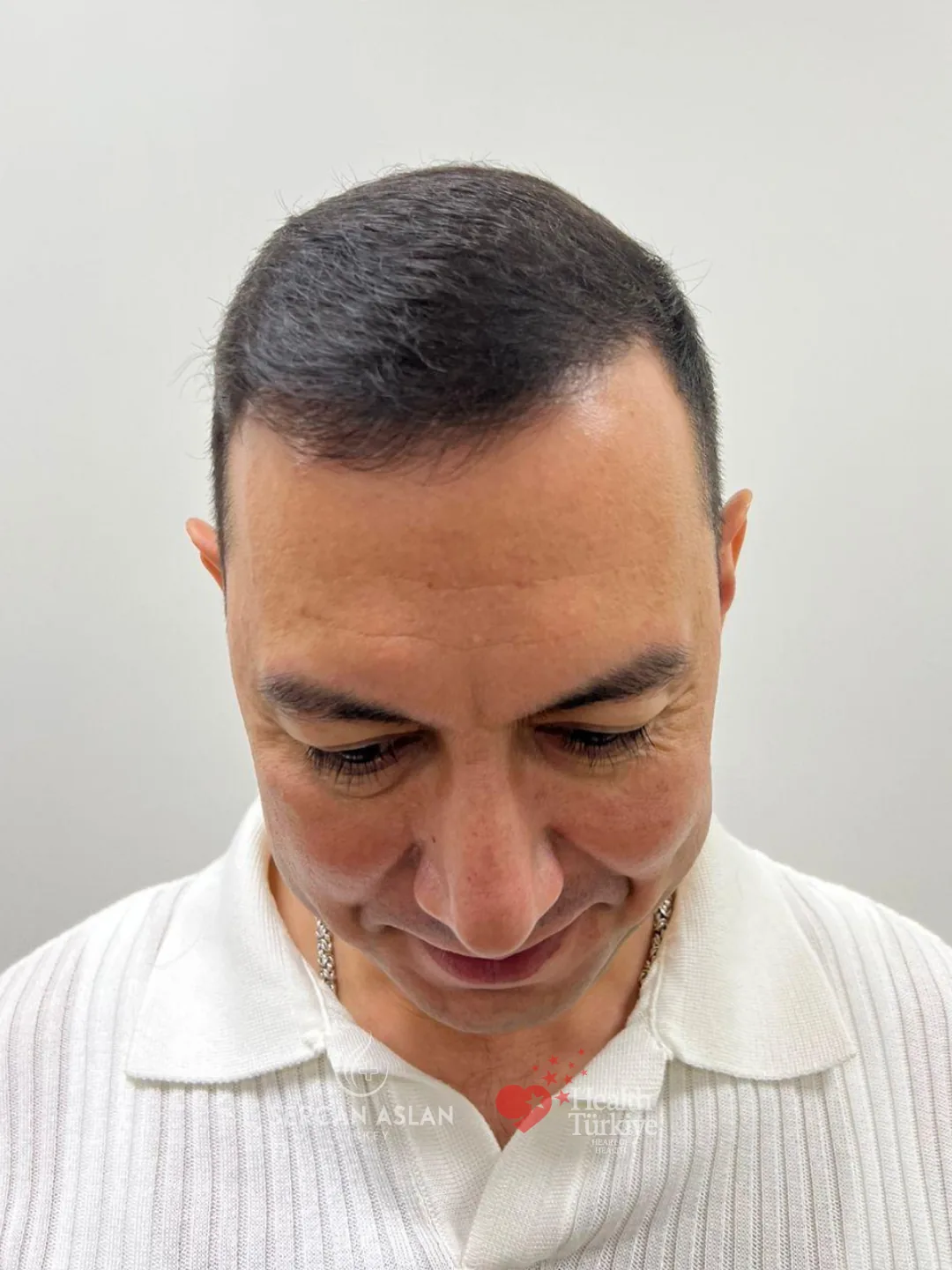 After
After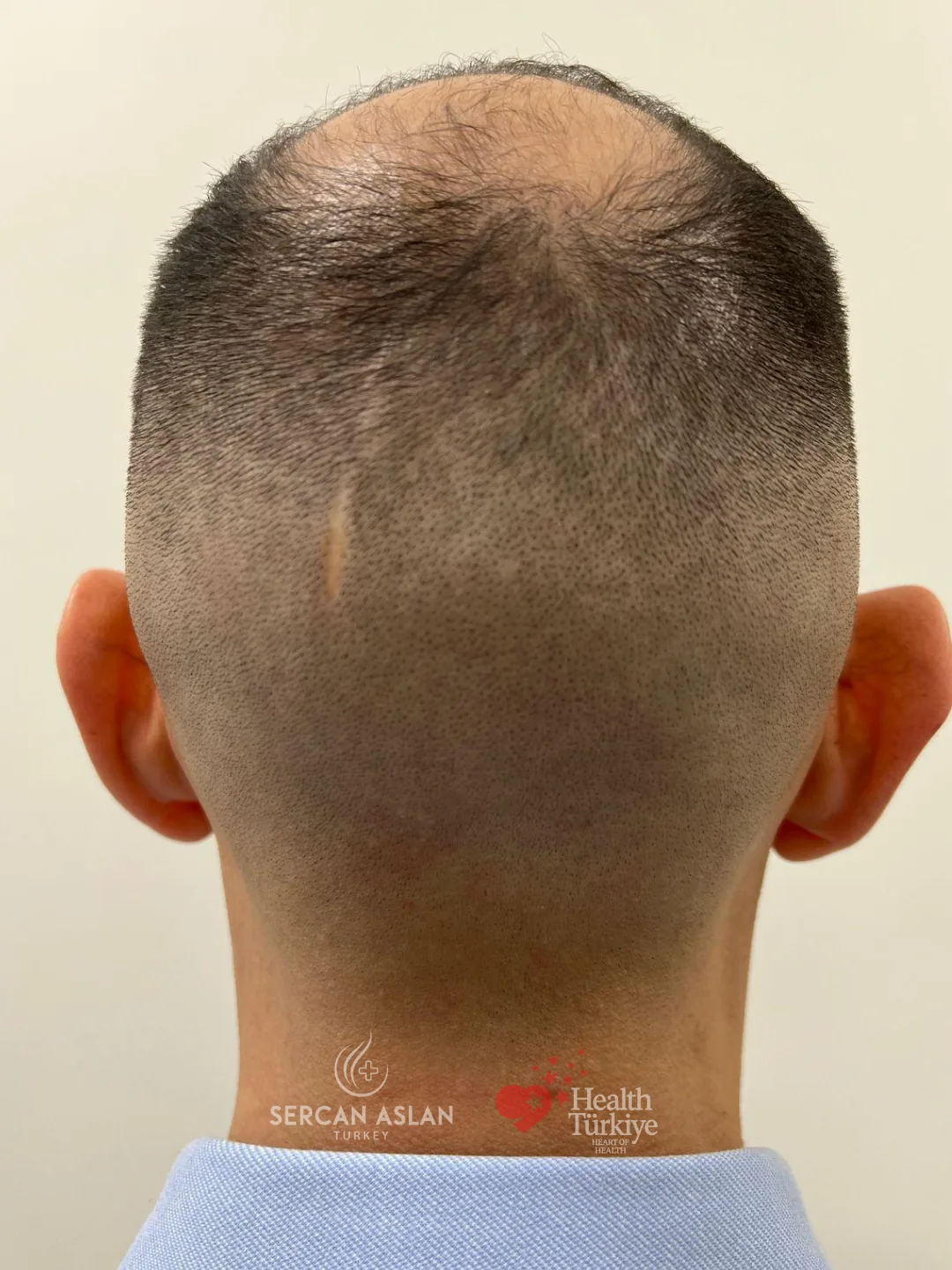 Before
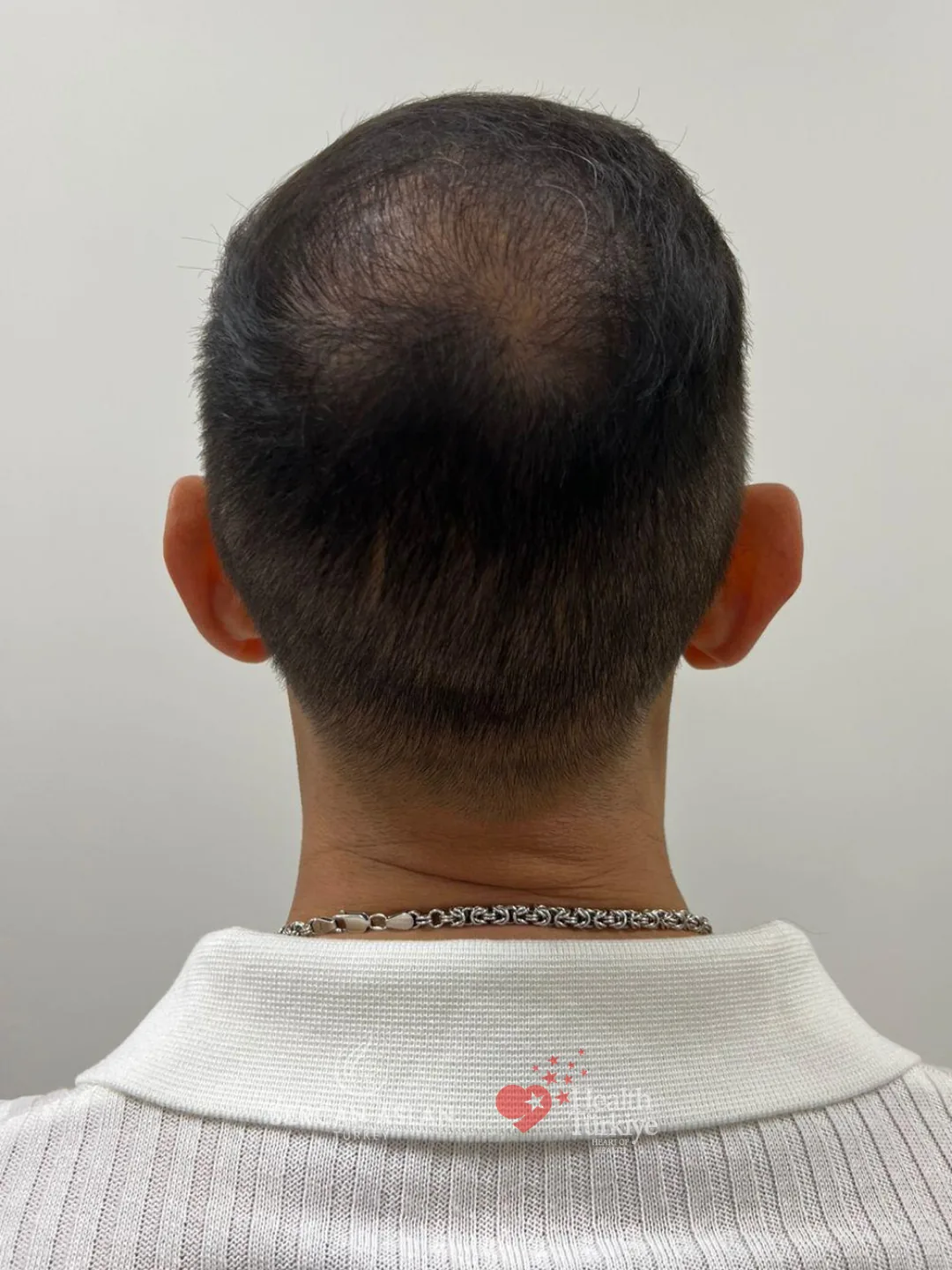 After
After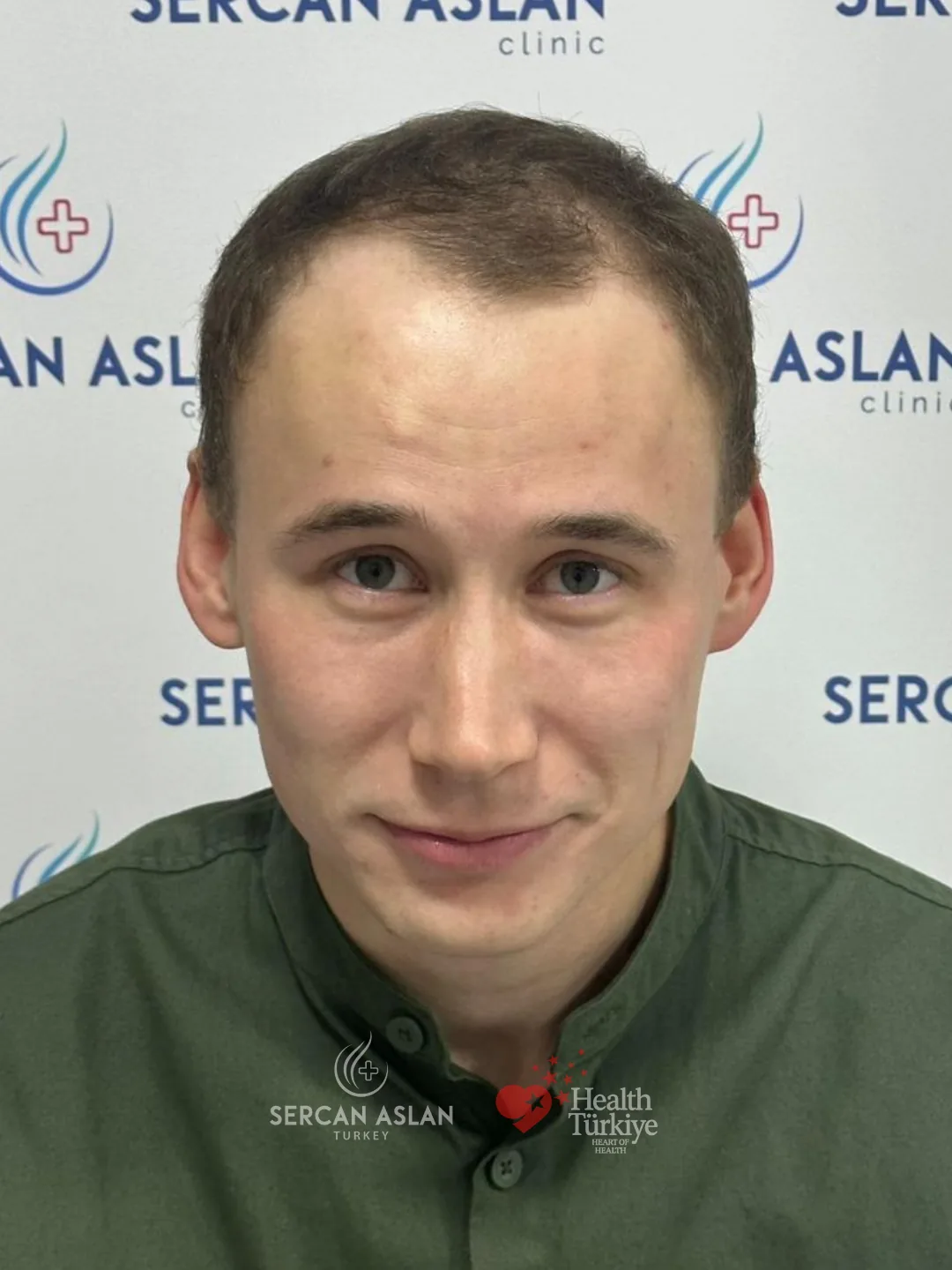 Before
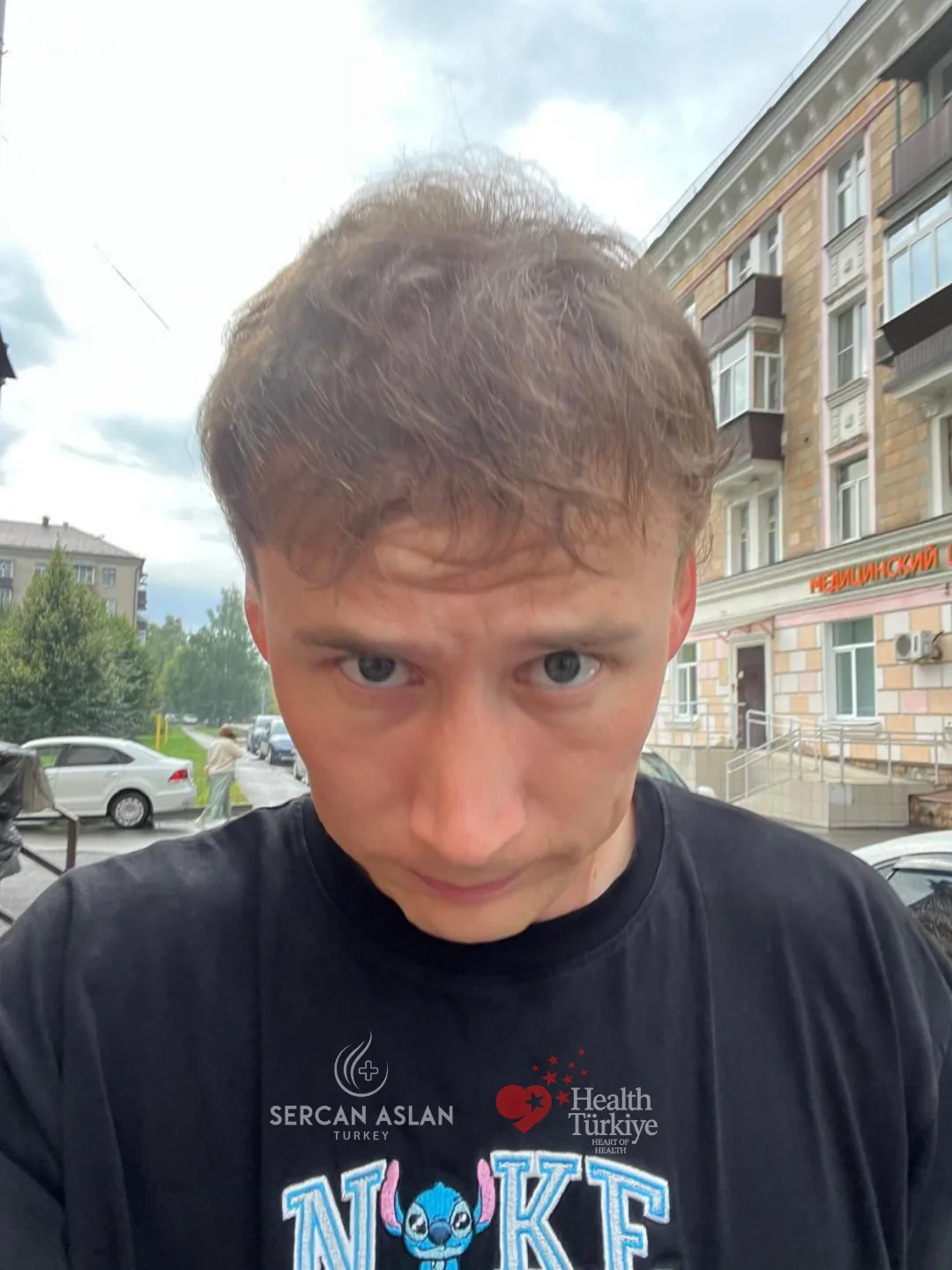 After
After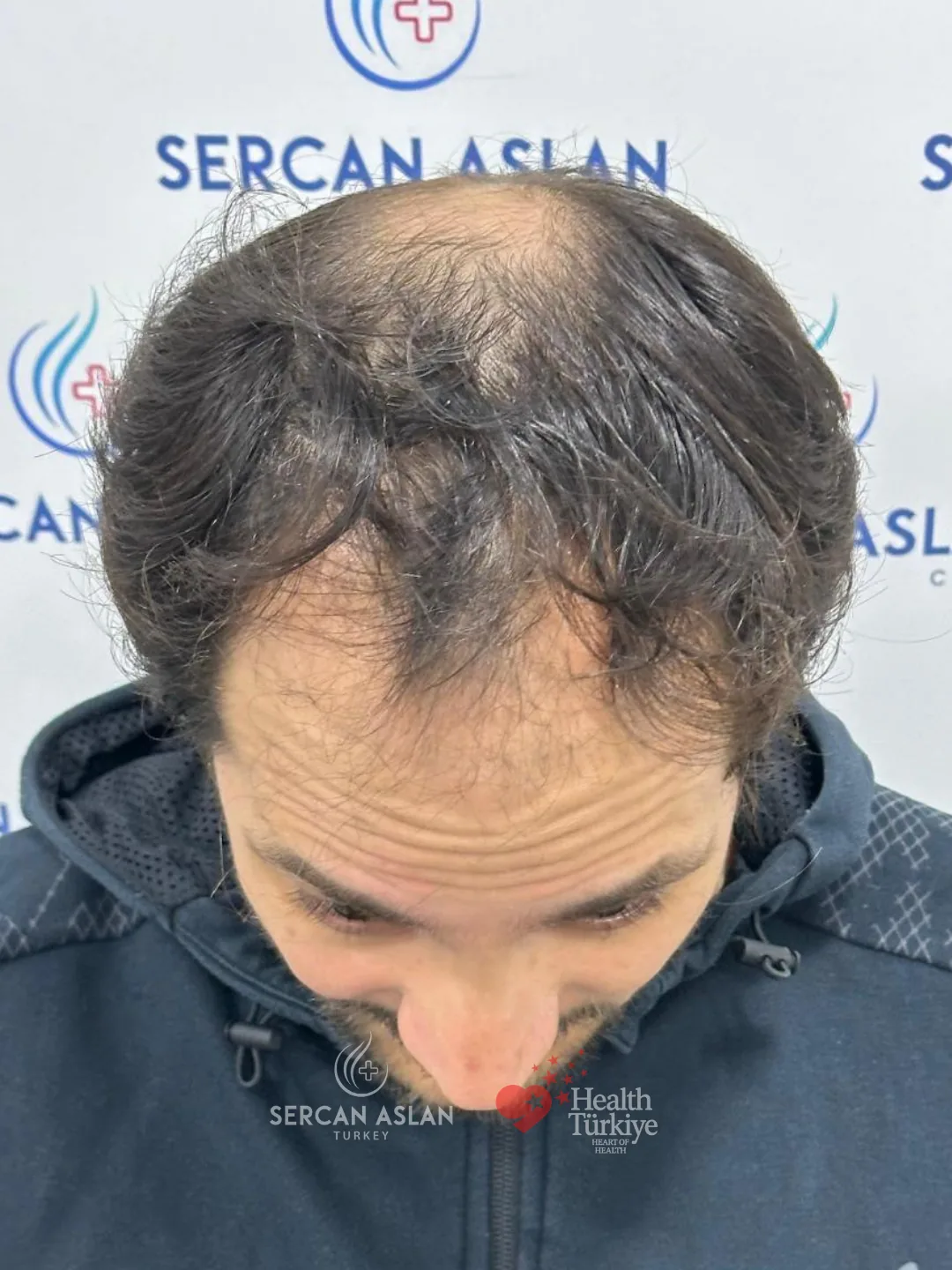 Before
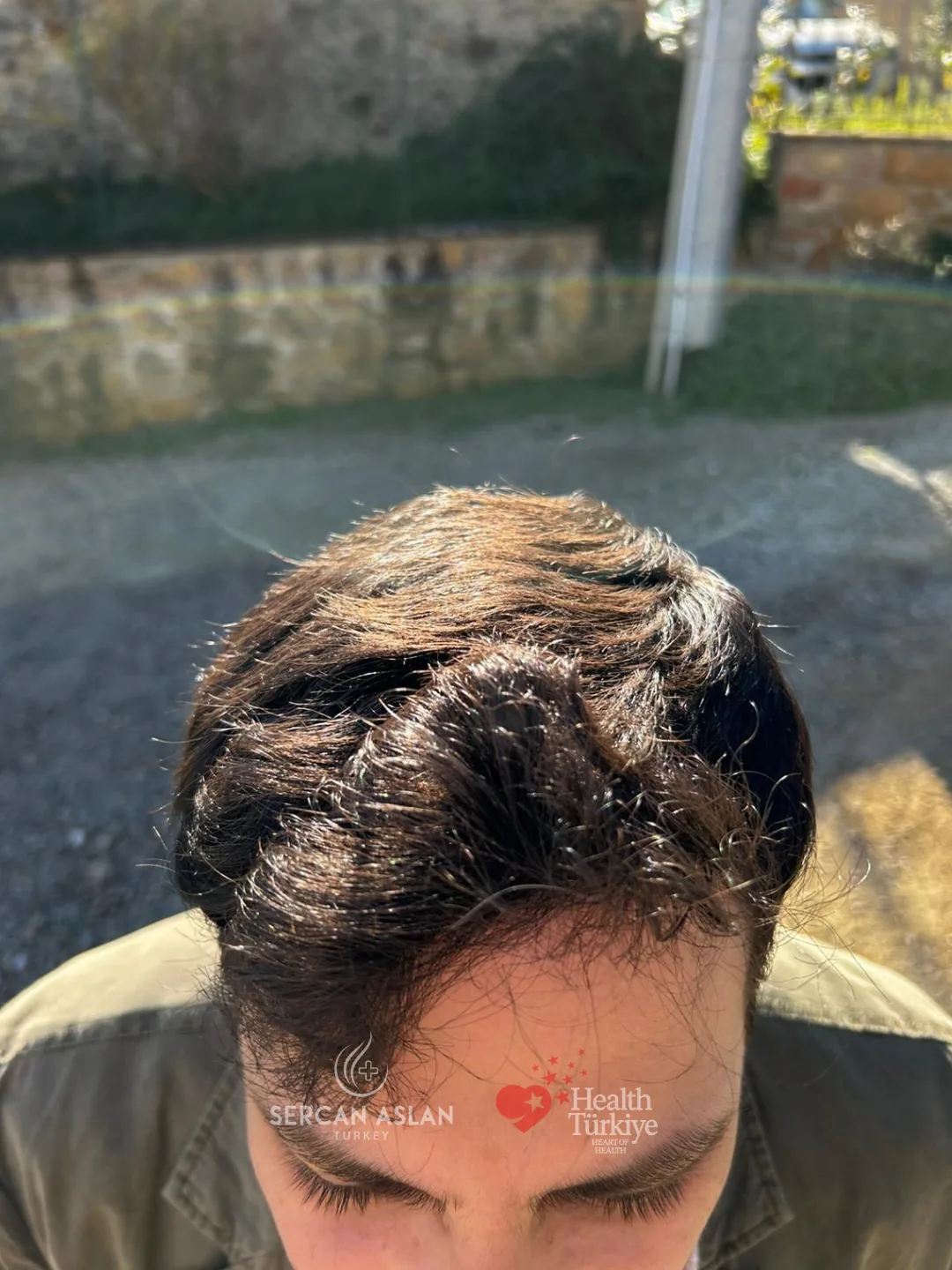 After
After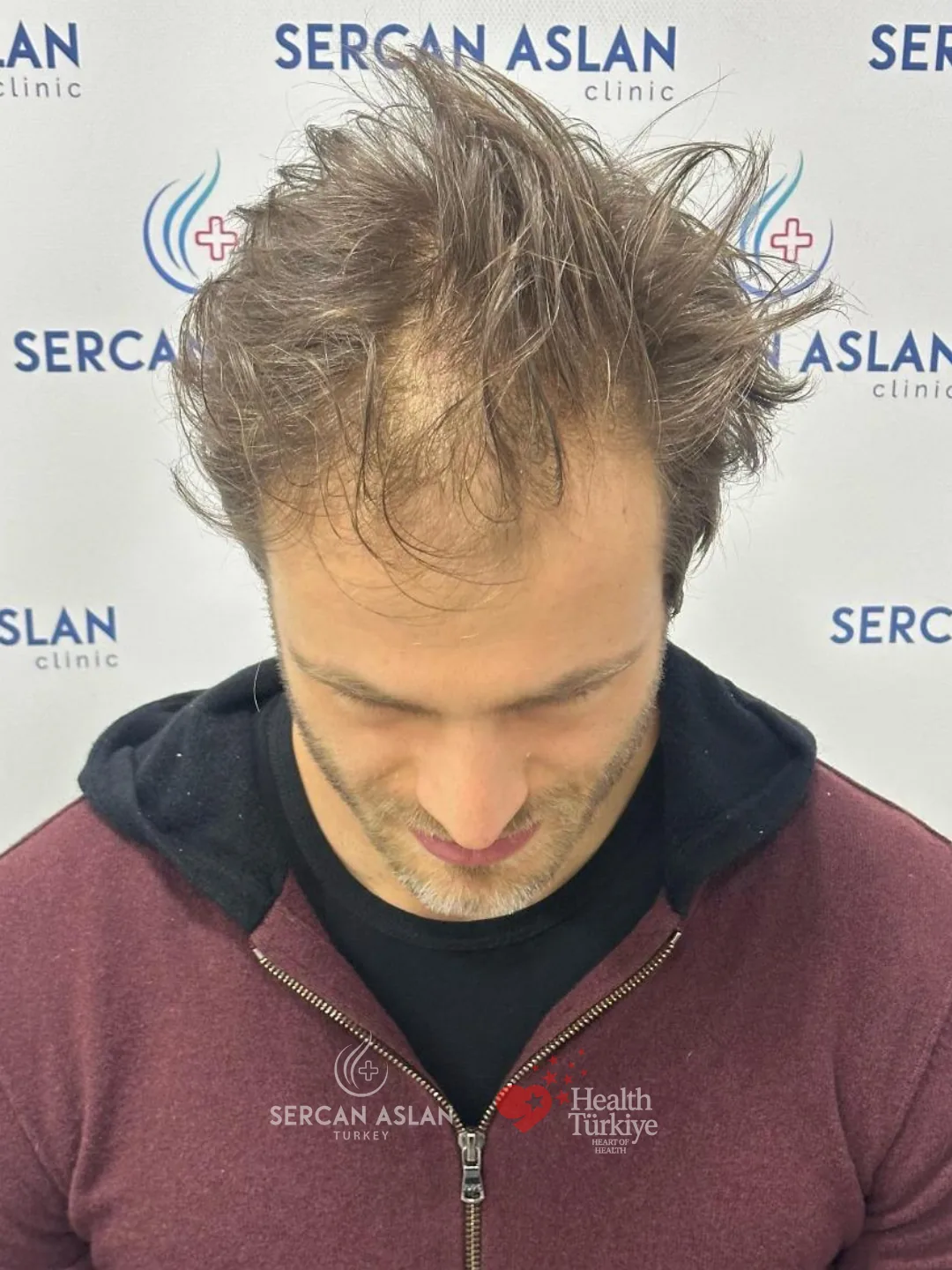 Before
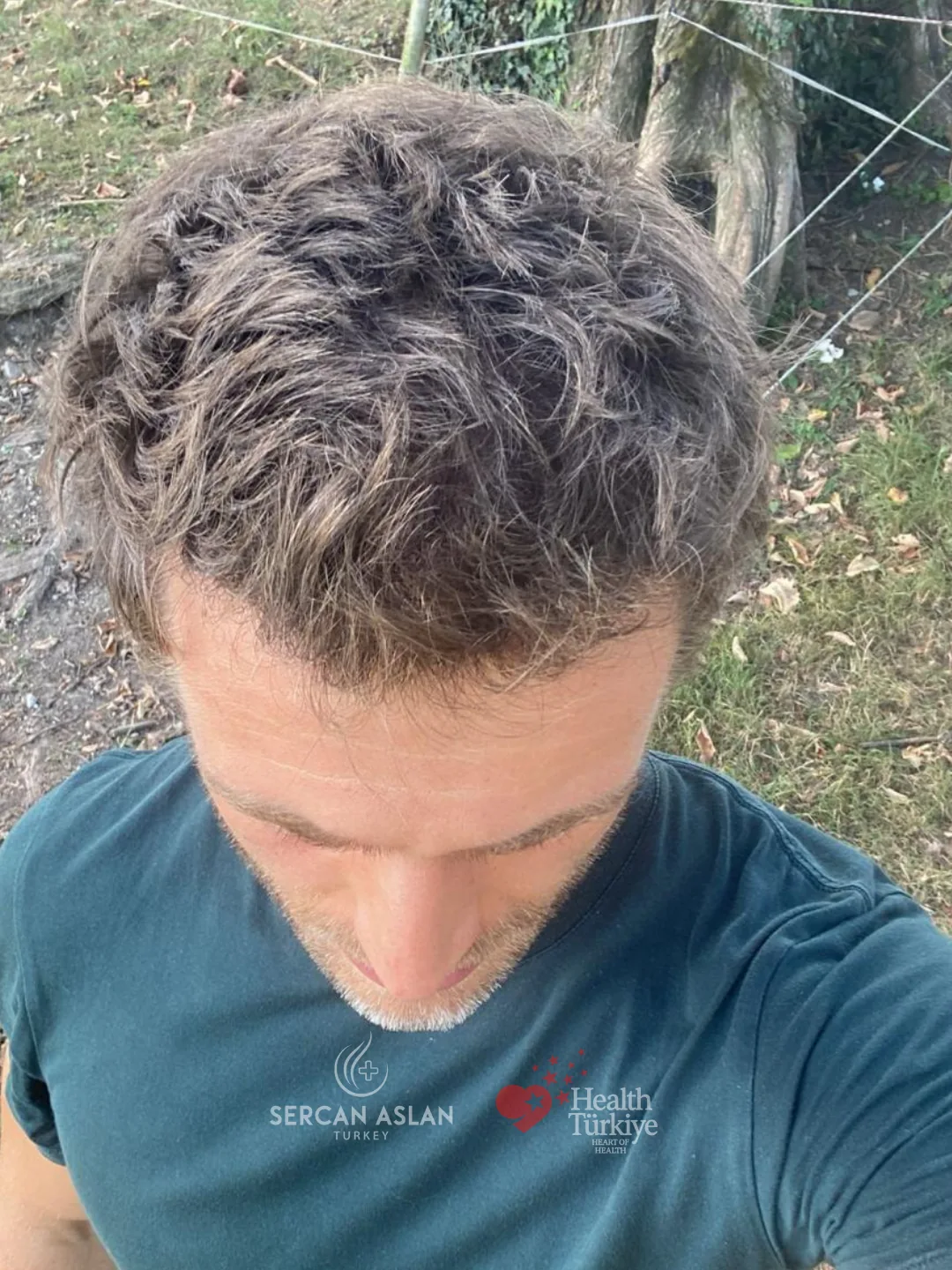 After
After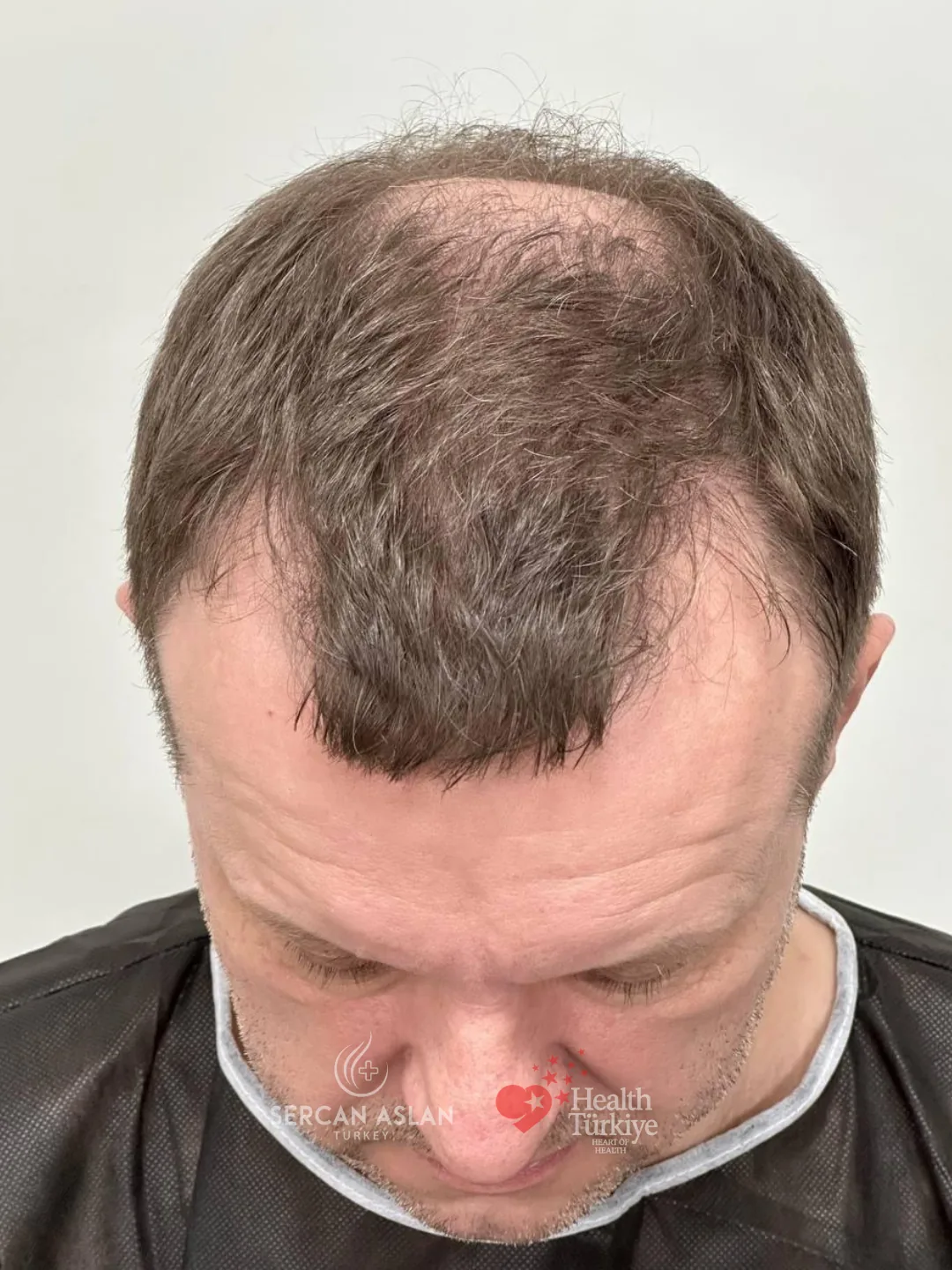 Before
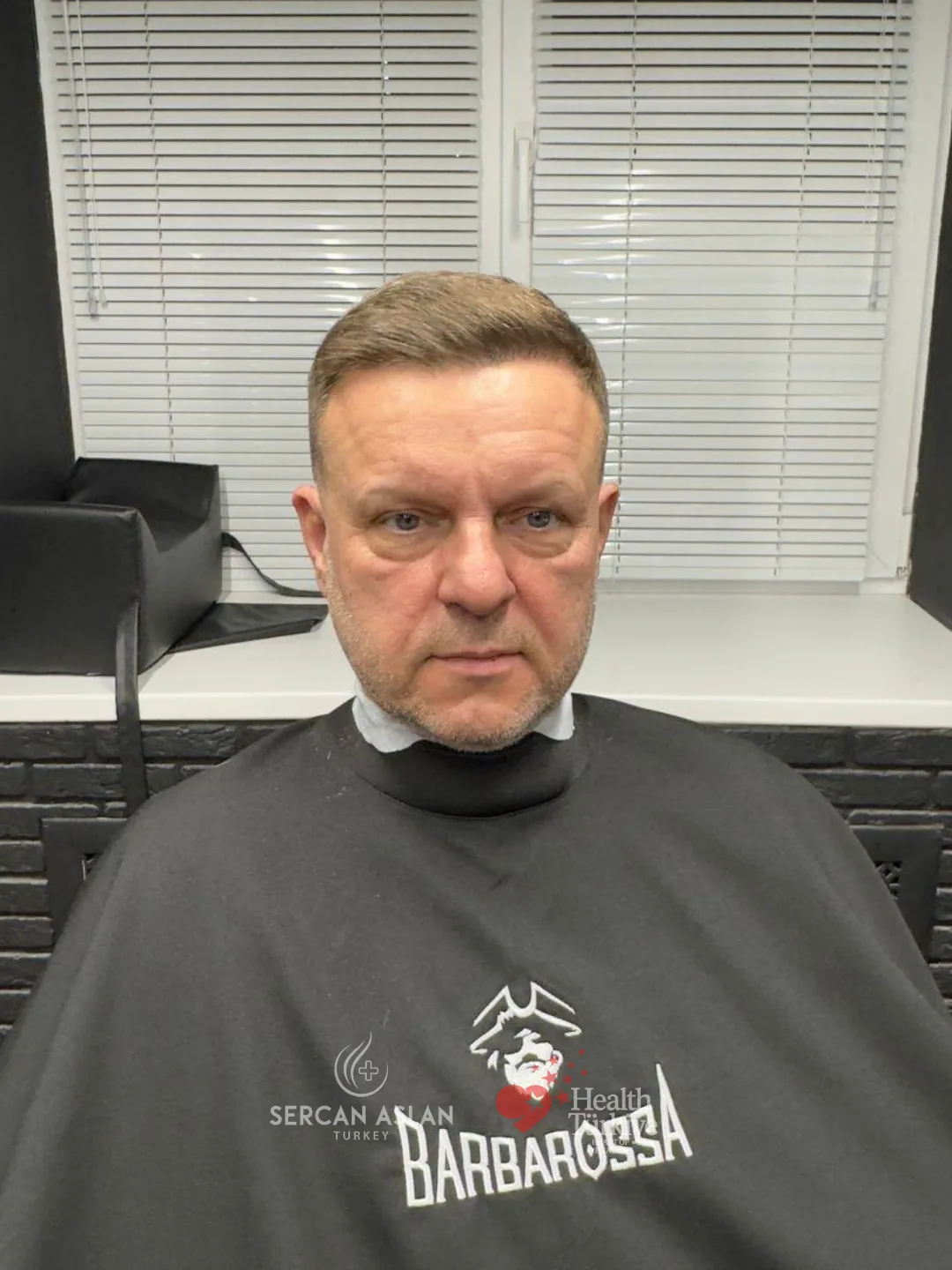 After
After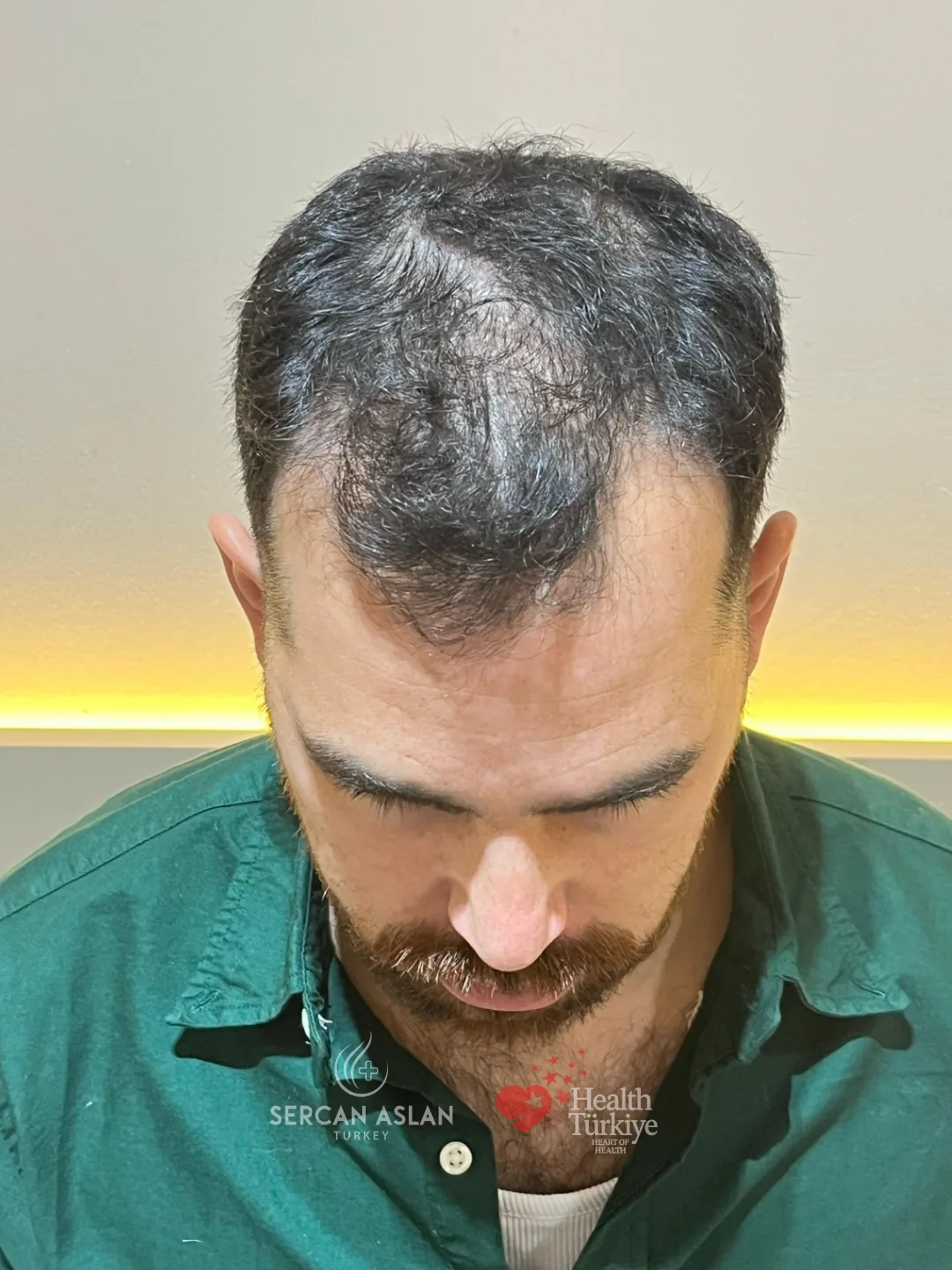 Before
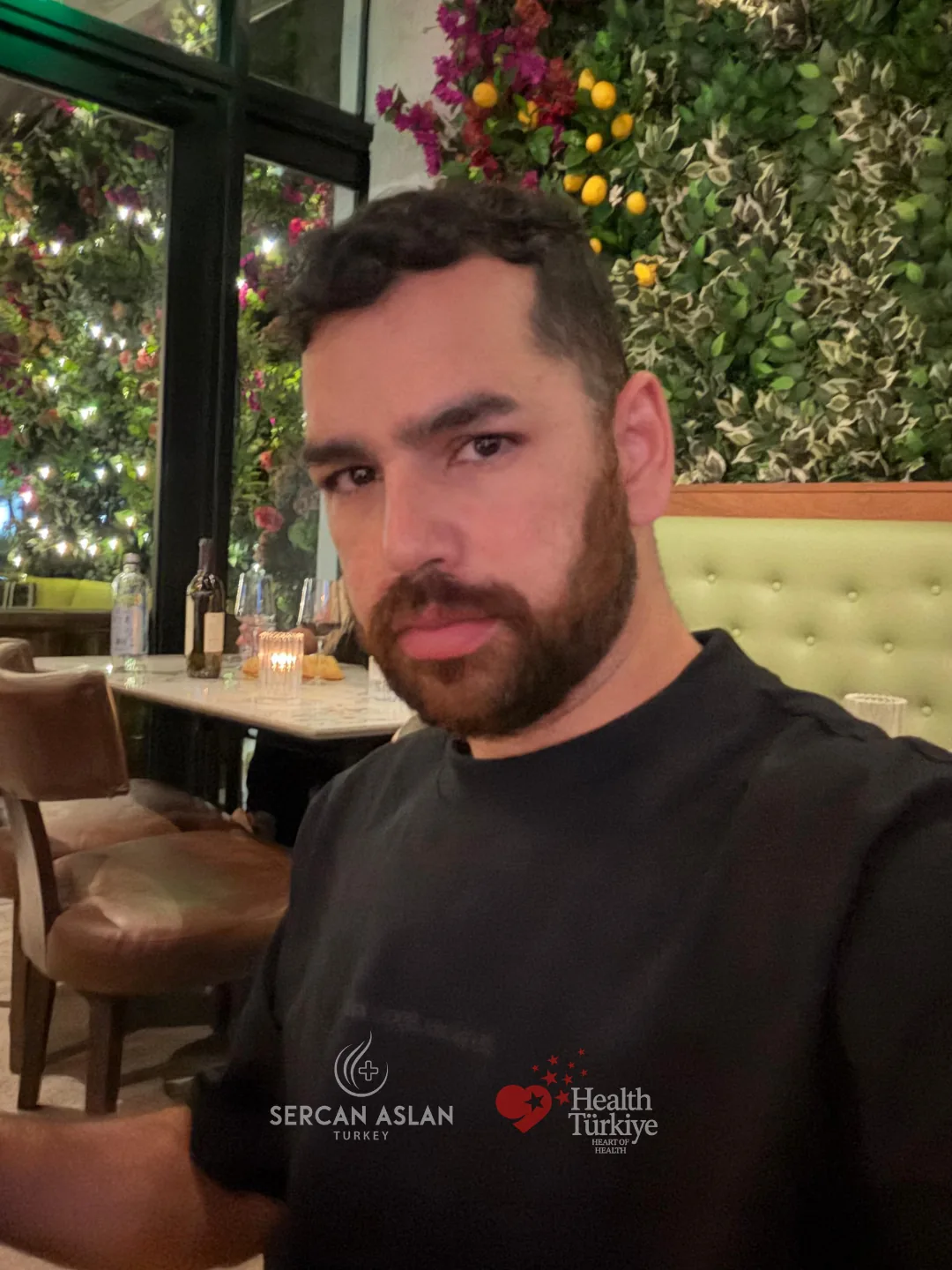 After
After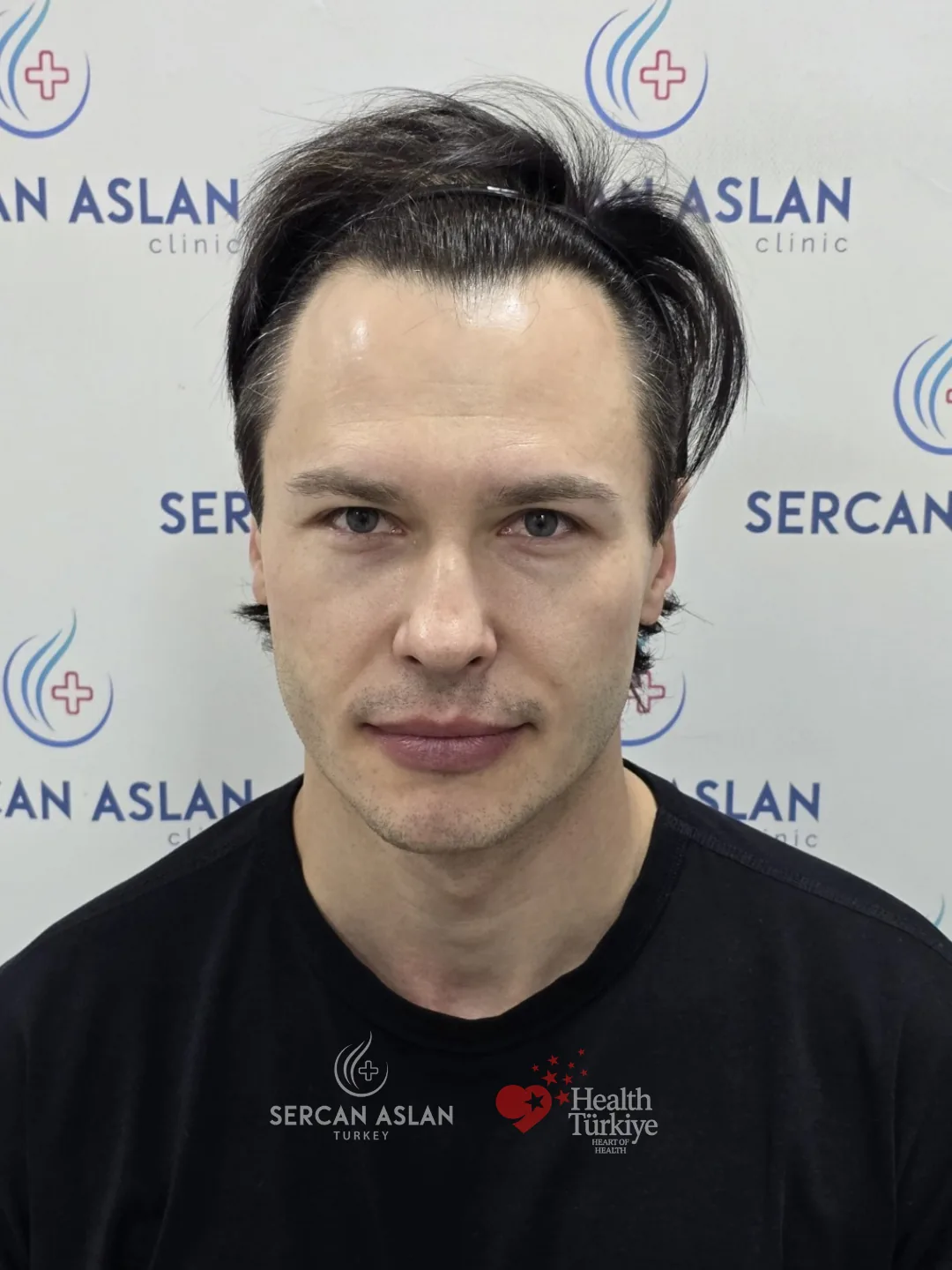 Before
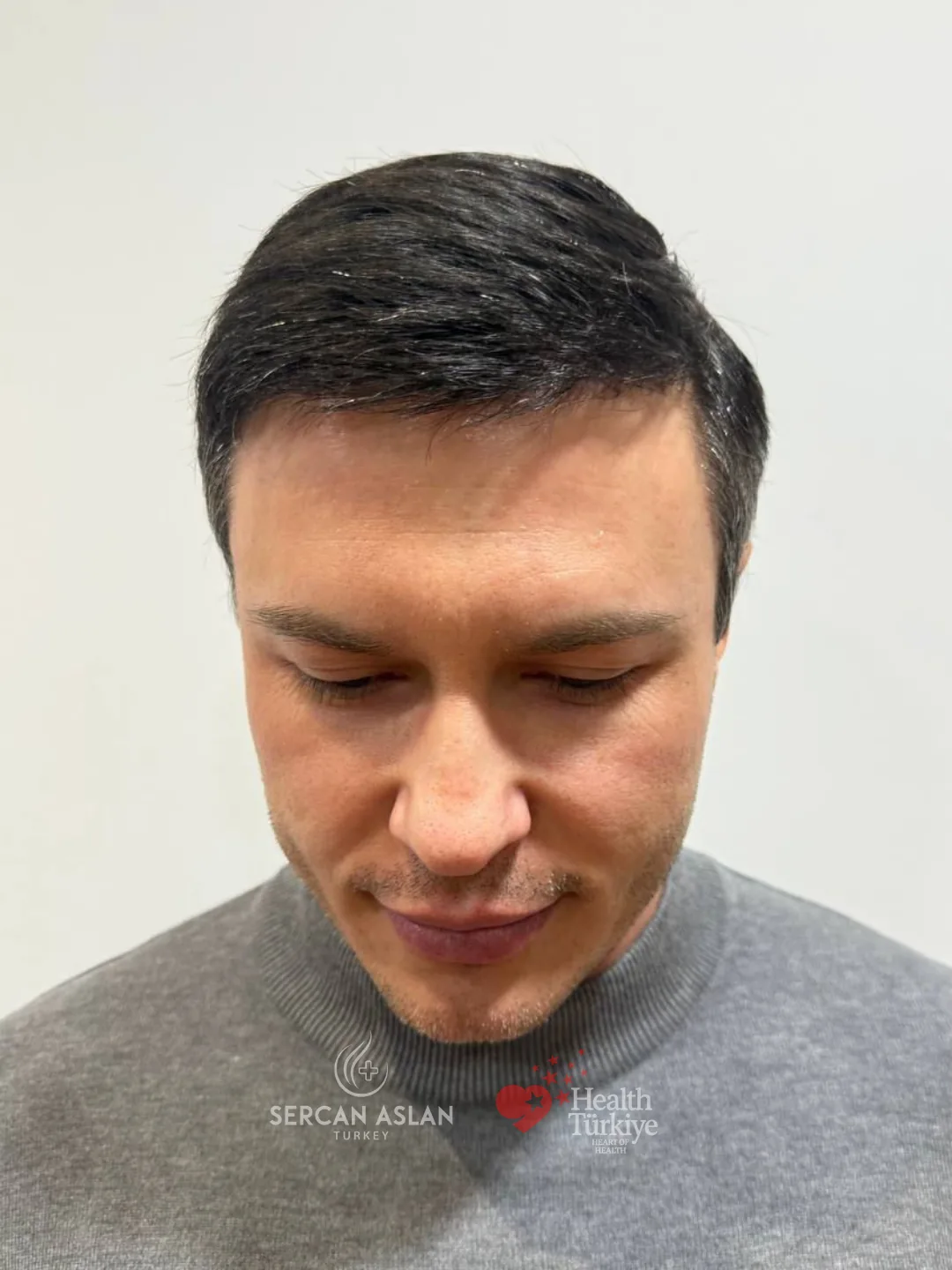 After
After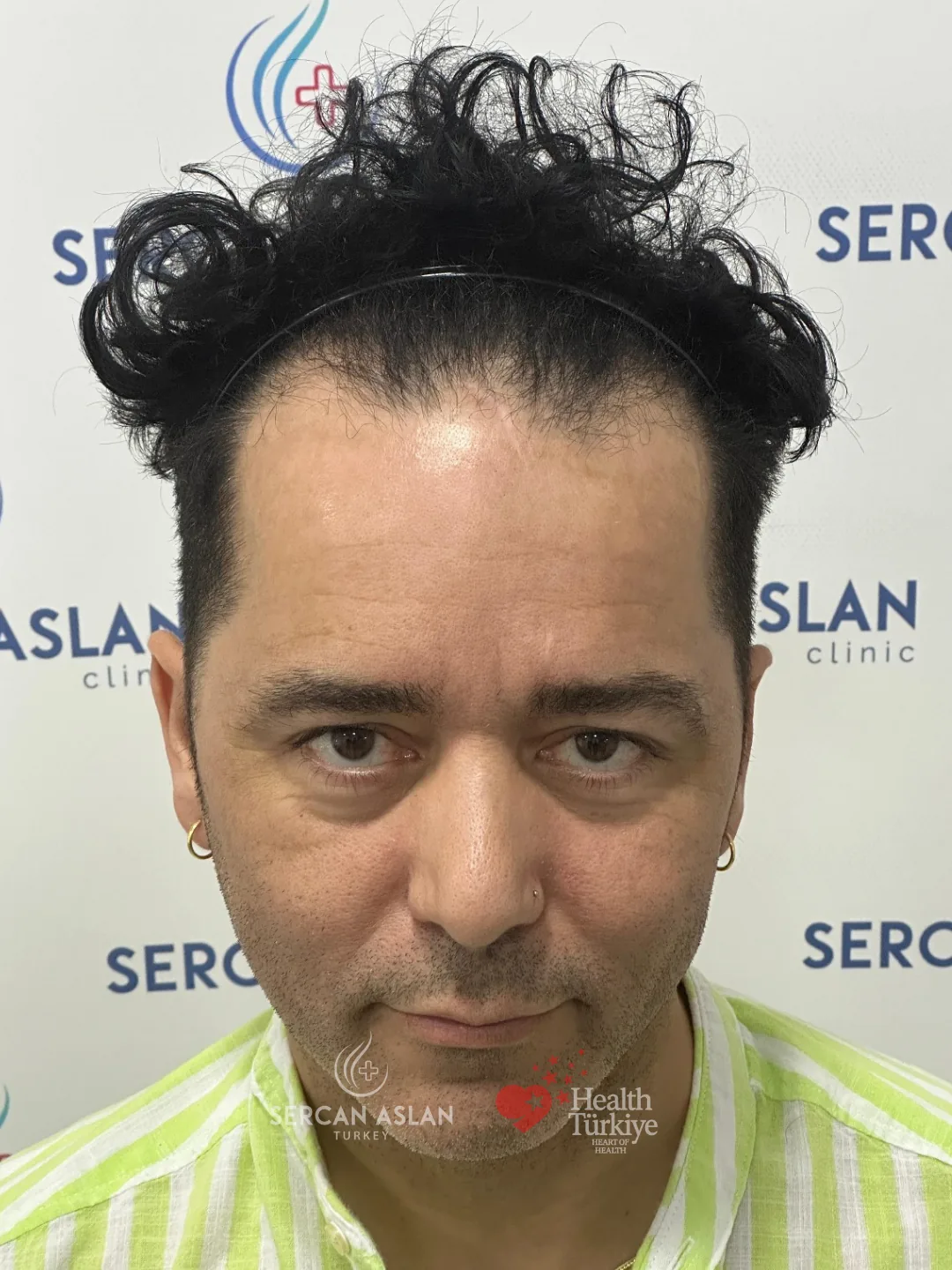 Before
 After
After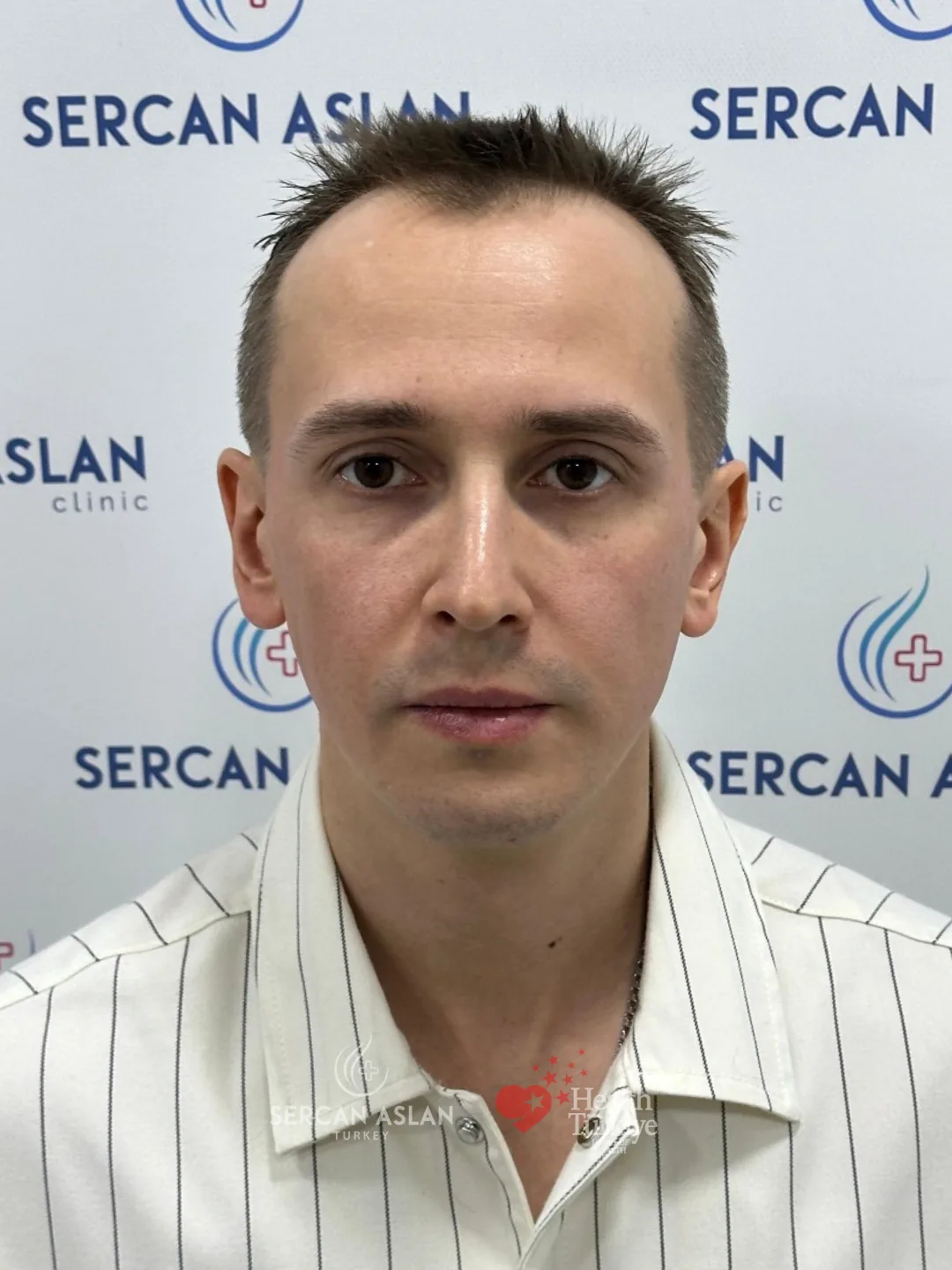 Before
 After
After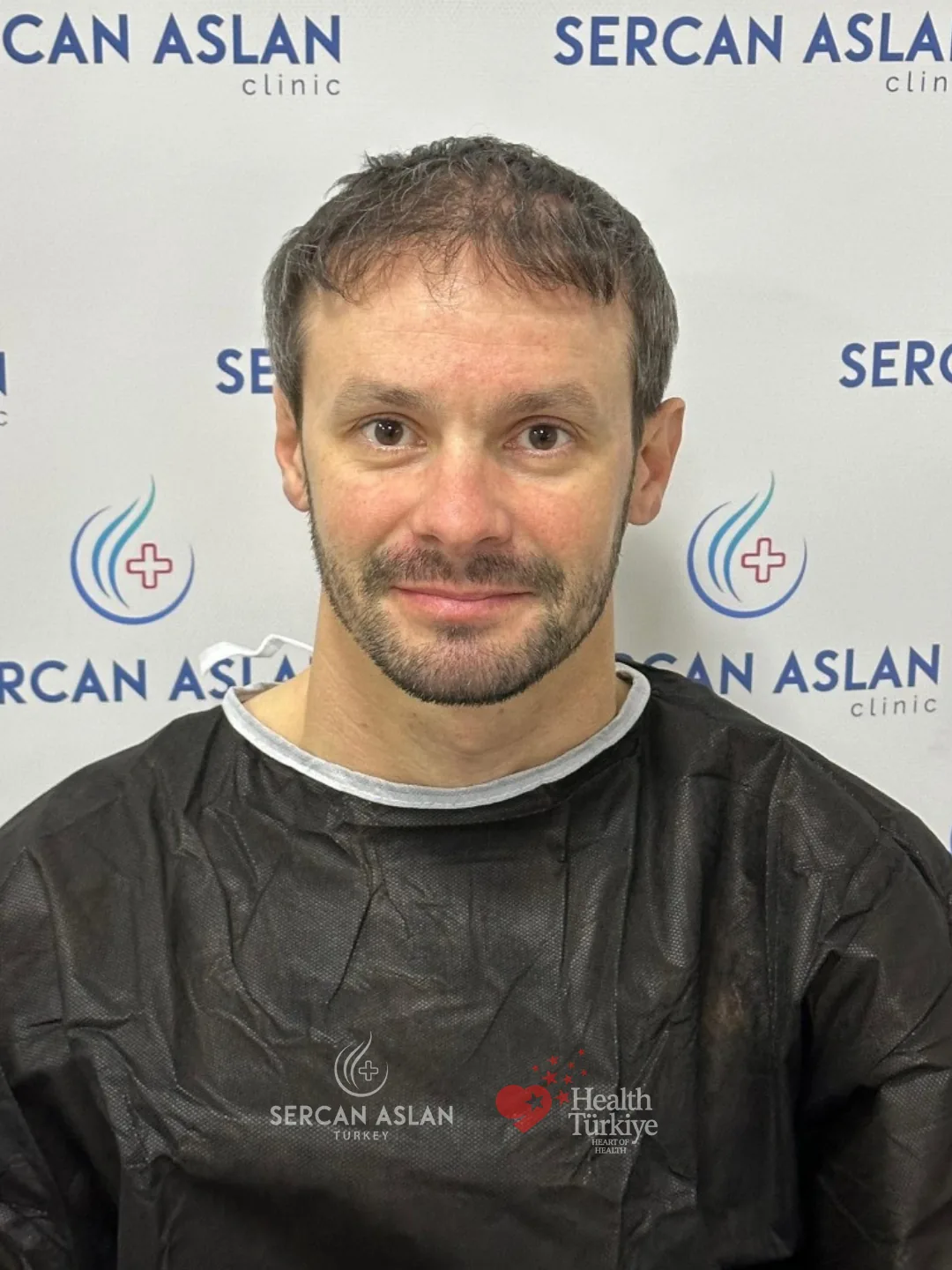 Before
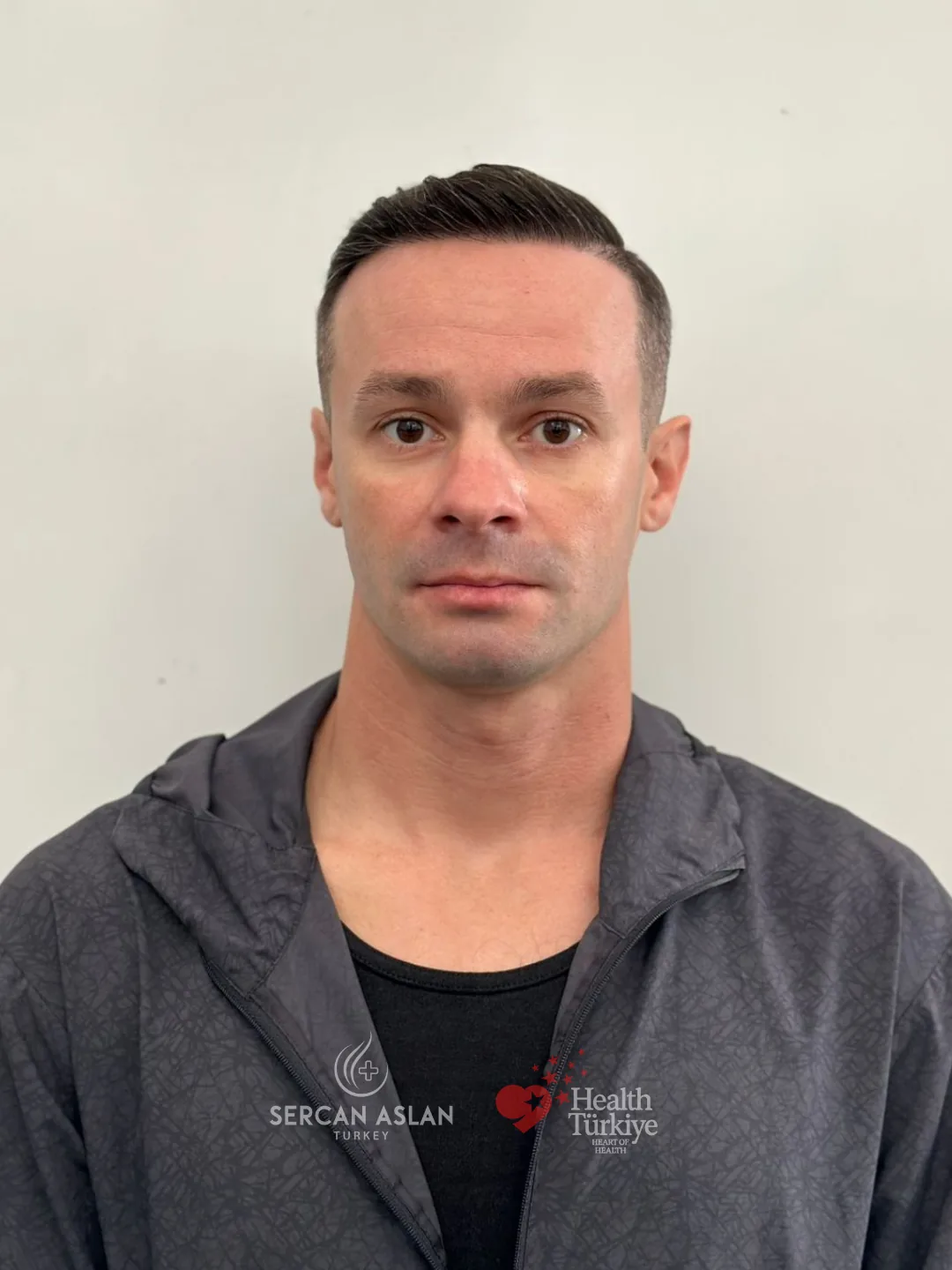 After
After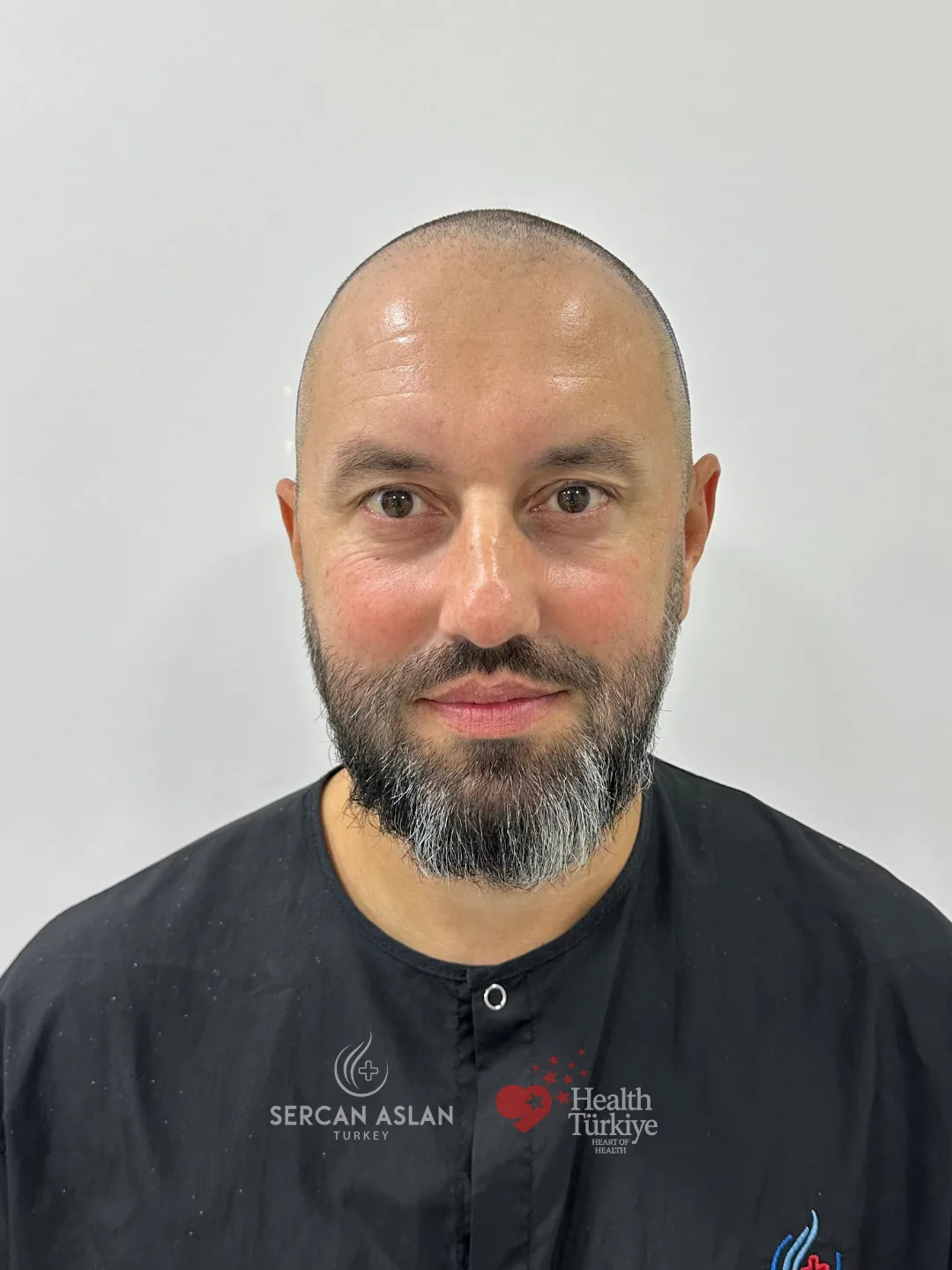 Before
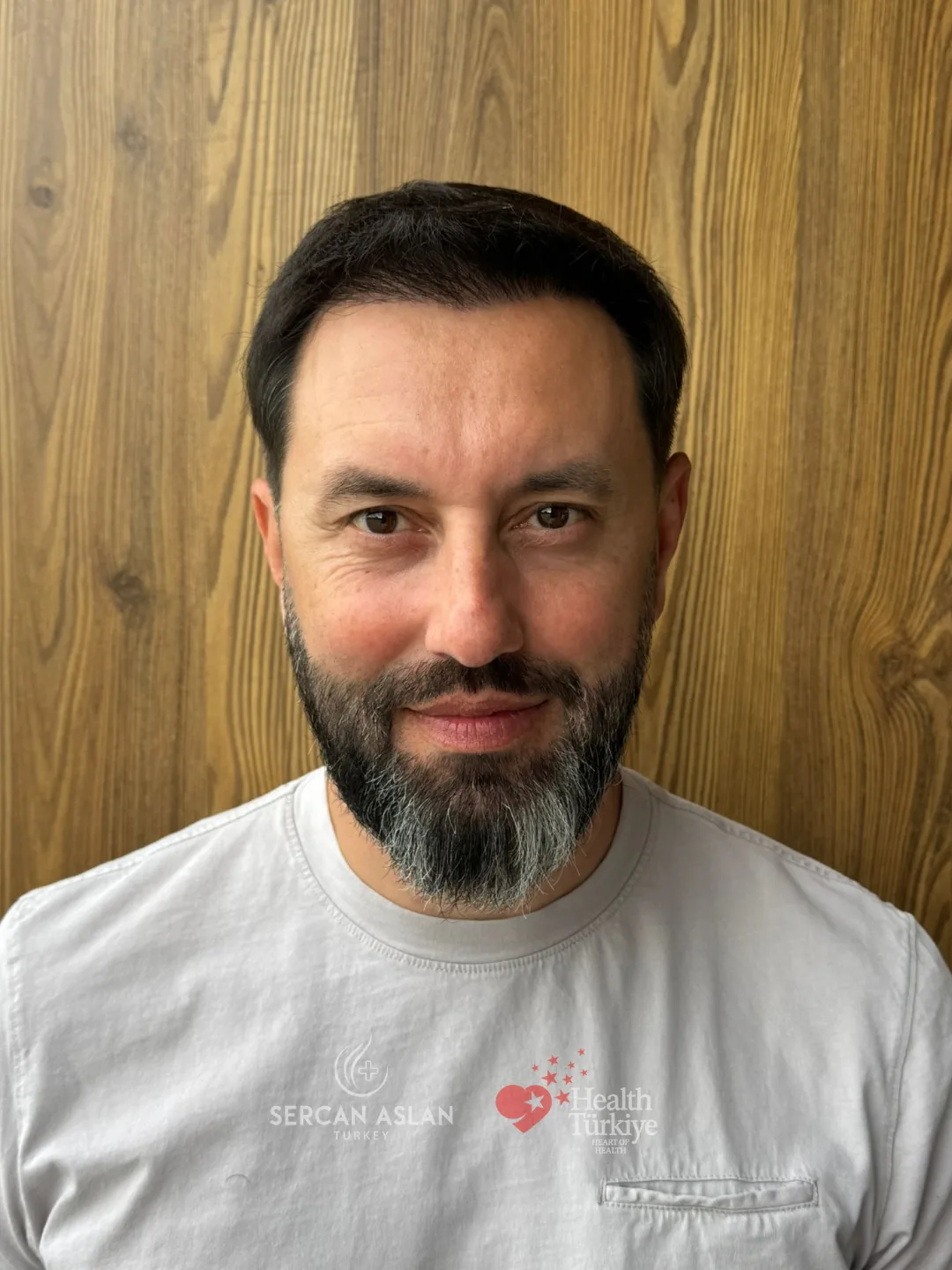 After
After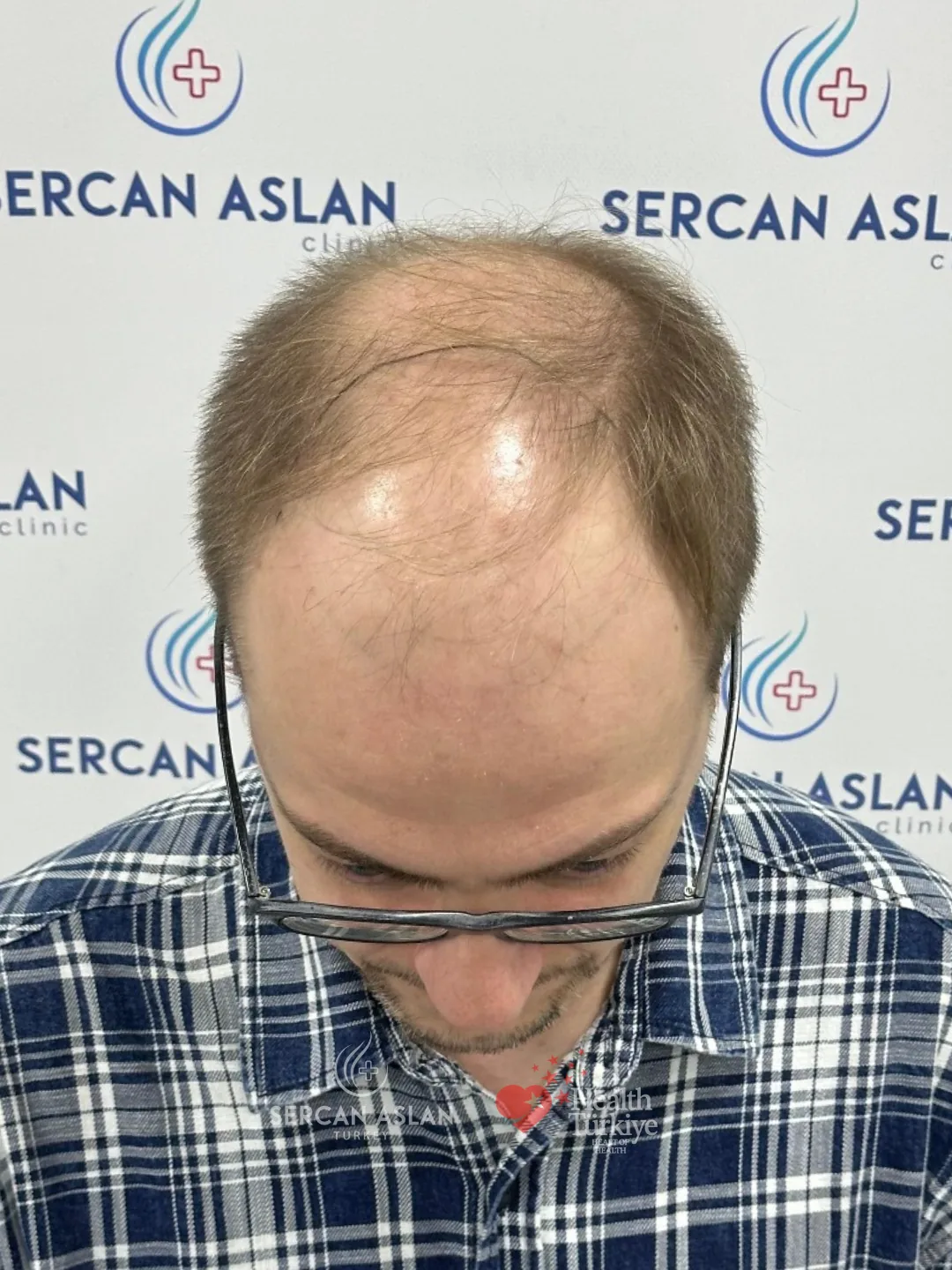 Before
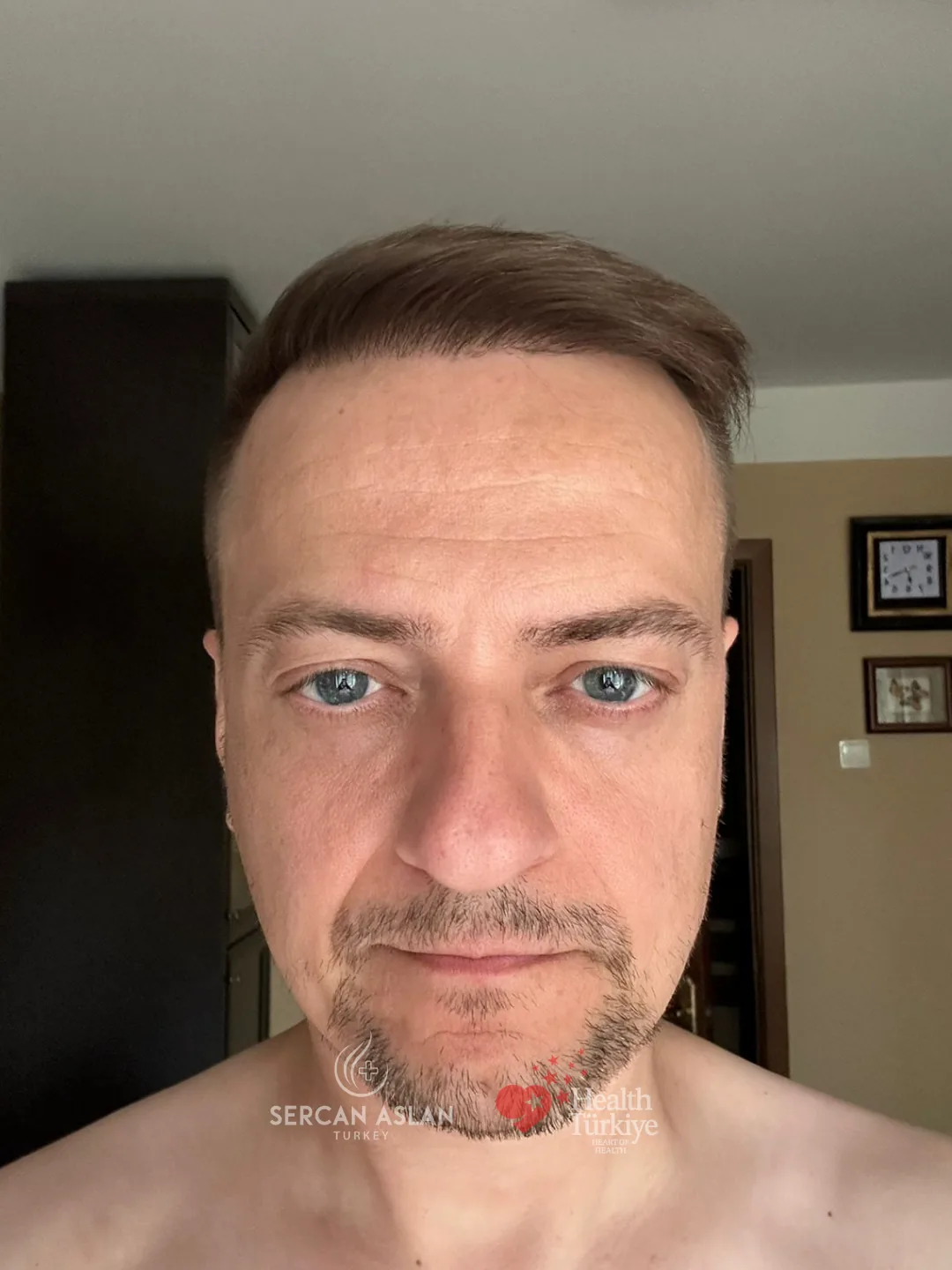 After
After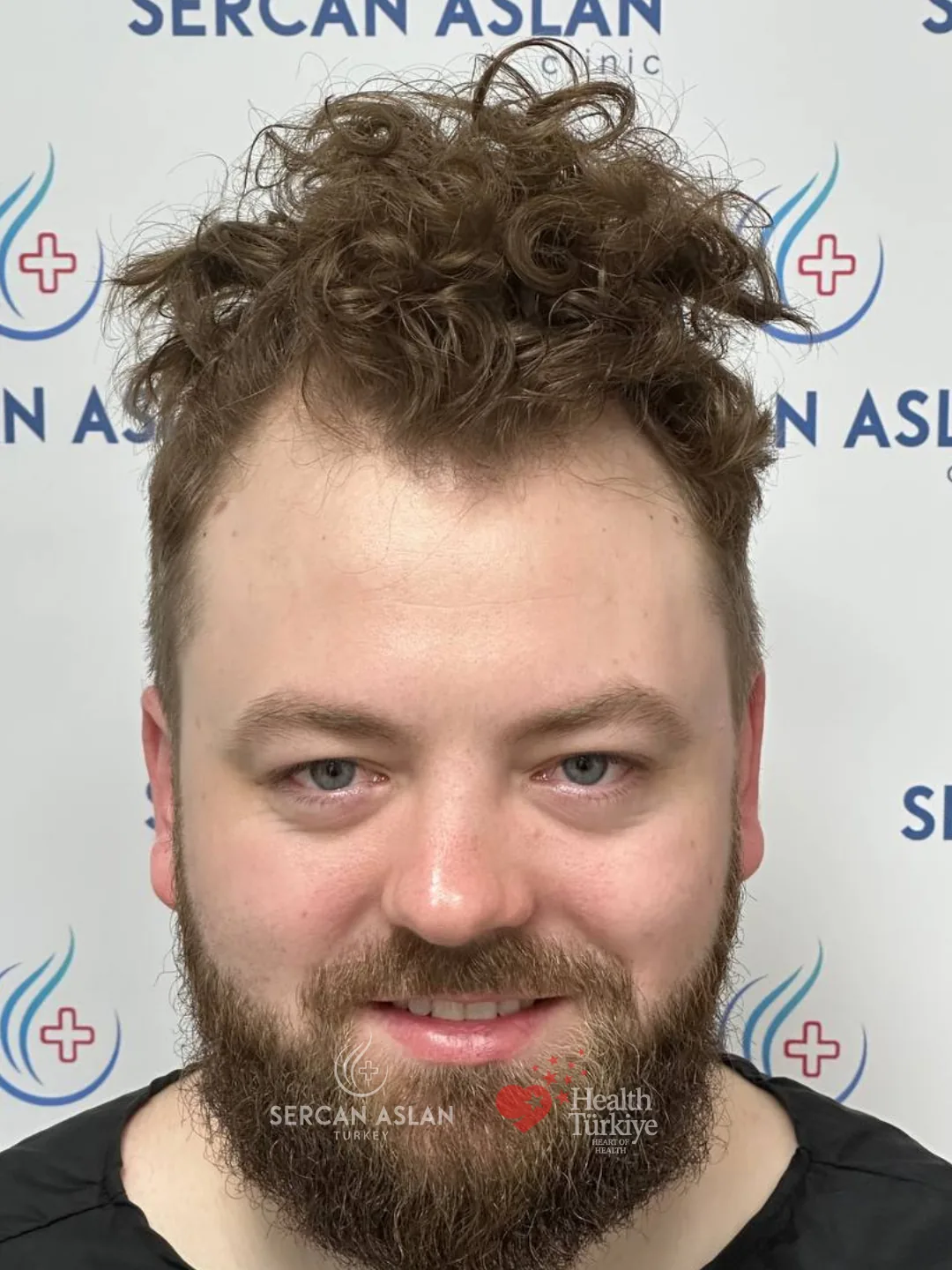 Before
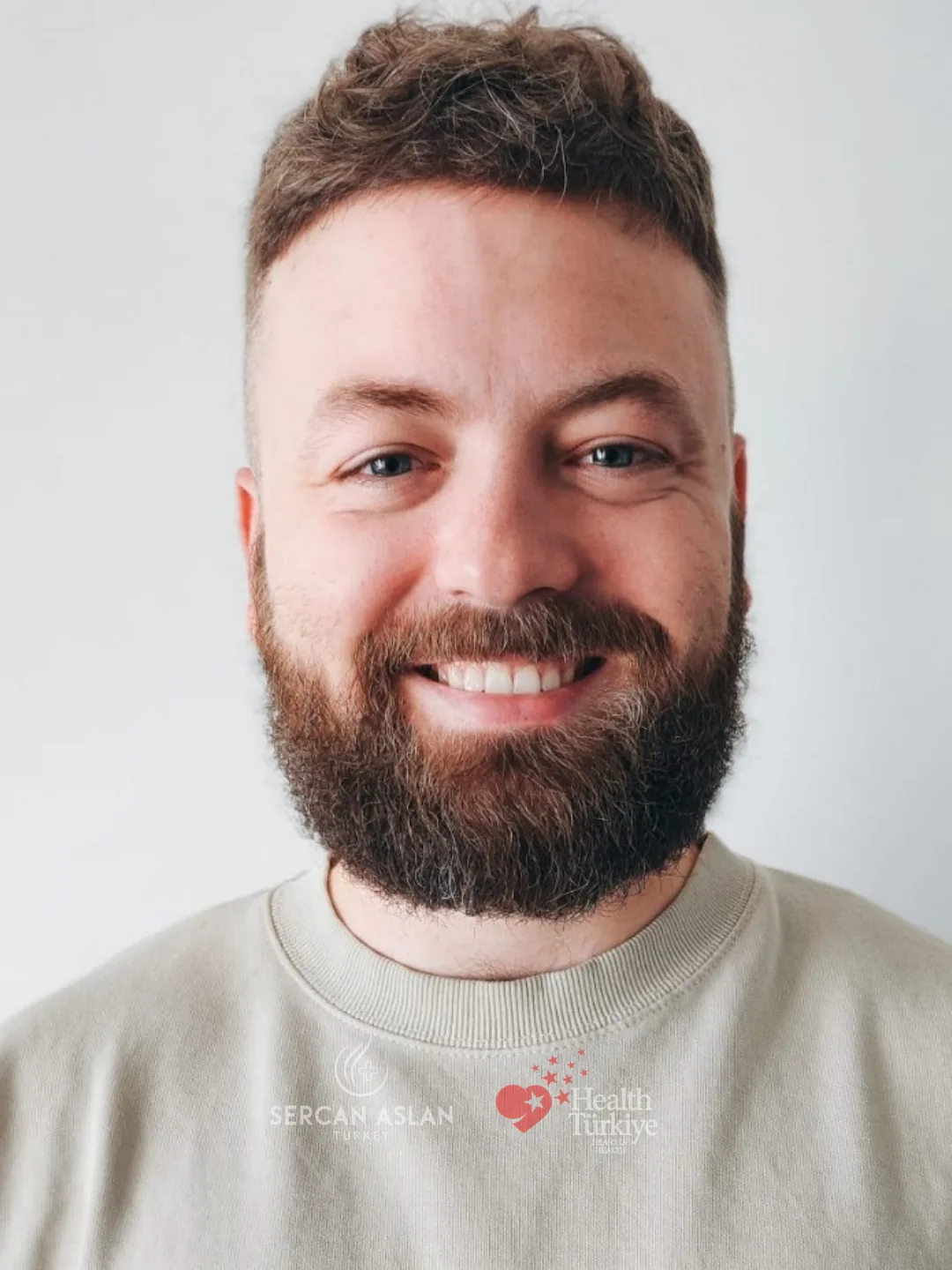 After
AfterThese are photos of our own patients, shared with their consent. Some photos may have been taken by the patients themselves, so light and angle can differ. Results vary from person to person.
From the procedure day to the final result
Whether the technique is DHI or Sapphire FUE doesn't change the recovery timeline, hair growth is a 12-month process. The honest schedule below is common to all hair-restoration cases.
- Day 0
Implantation day
7-9 hours, single session, local anaesthesia. Hairline agreed, donor extracted, grafts placed. Home or hotel the same evening.
- Day 1
First wash & fly home
A guided first wash at the clinic the next day, then you fly home. The small sapphire-tip channels usually crust less.
- Weeks 2-4
Shedding: this is normal
Transplanted hairs shed while the follicles stay safely in place. Expected, and temporary.
- Month 3
New growth begins
Fine new hairs emerge across the recipient area and begin to thicken.
- Month 6
Clear progress
Coverage and density are clearly visible; you can style normally again.
- Month 12
Result review
The result usually settles around now; timing varies from person to person. We review your result remotely at 6 and 12 months.
Your treatment journey
From first contact to the 12-month follow-up, we plan every step with you.
- 01
Free analysis
Your photos and goals are assessed by the doctor.
- 02
Bespoke plan
Technique, design and expectations are clarified; all your questions answered.
- 03
Travel & welcome
Accommodation and transfer are arranged; we meet you in Istanbul.
- 04
Procedure day
Performed under local anaesthesia, following the standard protocol.
- 05
12-month follow-up
We stay with you through healing and growth.
One all-inclusive price, explained
We quote one all-inclusive package that covers the whole trip, with no surprises or extras added later. Your exact price is set in writing after your free assessment.
Sapphire FUE procedure, local anaesthesia & medications
2 hotel nights & private VIP transfers
Interpreter & aftercare kit
12-month remote follow-up & lifetime aftercare consultancy
What changes your price
Three things move the figure, your assessment makes them clear up front.
Graft count
More grafts (a larger area) means more work, the single biggest factor.
Technique
Sapphire FUE or DHI differ in time and instrumentation.
Add-ons
Optional extras such as a PRP session, if recommended for your case.
Start your hair analysis in seconds
Pick your gender and the hair-loss pattern closest to you; we'll continue with your personal pre-analysis from there.
Closest to the Norwood pattern
The same discipline, behind Sapphire FUE
What shapes your process is not the type of tip used but that every parameter is written into a documented standard: angles, density, how grafts are handled, sterilisation, aftercare. A coordinated team executes; the standard is what makes it repeatable.
Hairline & angle protocol
Every graft follows the angle and direction set in your design, the sapphire tip's fine channel makes this control possible.
Graft-survival protocol
Strict, written limits on time out of the body, holding solution and handling, followed every time.
Density & distribution rules
Documented density zones, fuller at the front, softer toward the crown, so coverage looks natural.
Aftercare & follow-up protocol
The same guided washing, medication and 6- and 12-month reviews for every patient.
Questions on your mind
Sapphire FUE or DHI, which is right for me?
Pattern, donor and goals decide. Wide area + large session = Sapphire FUE; high-density frontal zone + no-shave work = DHI. The honest answer is our written recommendation after your assessment.
Is shaving required for Sapphire FUE?
Usually full shaving of the donor area and, depending on the plan, full or partial shaving of the recipient. If discretion is your top priority, DHI offers better 'no-shave' work.
How many grafts are possible in a single session?
It depends on your donor capacity and the doctor's plan. Larger cases can be done in one long session if your donor allows, or split into two; the doctor decides what is safe after your assessment.
Is recovery different from DHI?
No, the hair-growth timeline (shedding, new growth, clear progress by month 6, the result usually settling around month 12) is the same for all hair transplant techniques. The small sapphire-tip channels often crust less in the first week.
Will it look natural?
Naturalness depends more on angle, density distribution and hairline design than on the type of tip used. Our written protocol locks those parameters for every case.
How long do I stay in Istanbul?
Usually 2 nights: arrival and consultation, the procedure day, then the guided first wash at the clinic the next day before you fly home. Your package includes 2 hotel nights. The package is the same as for DHI.
Is the price different from DHI?
Graft count is the biggest factor; small differences come from the technique. Your exact price is set in writing after the assessment.
Ask a doctor directly which technique suits you
Not a salesperson, not a chatbot, a hair-restoration doctor reads and answers your question personally. Ask anything about your case, technique choice, recovery or price.
- Answered by a doctor, not a sales rep
- Reply within 24 hours
- Confidential under GDPR / KVKK
Istanbul, Türkiye
info@sercanaslanturkey.com